


You're 28, 32, maybe 40. You thought acne was a teenage problem you'd left behind years ago. But here you are—staring at another angry breakout along your jawline, timing its arrival perfectly with your big presentation or that week from hell at work.
If you've found yourself Googling "why do I suddenly have acne in my 30s" at 2 AM, you're not alone. Adult acne affects up to 50% of women in their 20s and 26% of women in their 40s. But unlike teenage acne, which was all about puberty hormones, adult acne has a different villain: stress.
Let's break down what's actually happening when stress triggers breakouts, and more importantly, what you can do about it without destroying your skin in the process.
Why Stress and Acne Are Actually Connected
The stress-acne connection is happening at a biological level. When stress levels go up, acne severity goes up with them.
Here's the simple version of what happens:
When you're stressed (deadlines, relationship drama, money worries, terrible sleep), your body activates its emergency response system. This triggers bunch of hormones, with cortisol—your main stress hormone—taking center stage.
In short bursts, this response is helpful. It gets you through the immediate crisis. But when stress becomes chronic? Your cortisol stays high, and that's when your skin starts rebelling.
What Stress Actually Does to Your Face
When cortisol levels spike and stay high, your skin transforms. Here's what's going wrong:
Your Skin Becomes an Oil Factory
Stress hormones hit your oil glands like a triple espresso. Suddenly, they're producing way more oil than normal (the increase can be 30% or more).
This isn't the good kind of glow. This is the thick, sticky oil that clogs pores before you can even finish your morning coffee. It's why your face feels like a grease slick after a stressful week, or why you wake up shiny during exam season.
The worst part? Stress-triggered oil is different from your normal sebum. It oxidizes faster, gets gunky quicker, and turns into breakouts more easily.
Everything Becomes Inflamed
Remember teenage acne—mostly blackheads and whiteheads? Adult stress acne doesn't mess around with that. It goes straight for the angry, painful, under-the-skin kind.
That's because stress doesn't just clog your pores—it literally inflames them. Your body releases chemicals that turn a simple clogged pore into a red, swollen, throbbing situation that you can feel before you even see it.
This is why stress breakouts hurt more, look redder, and stick around way longer than regular pimples. The inflammation shows up first and lingers last.
Your Protective Barrier Breaks Down
Your skin barrier is like a brick wall. Your skin cells are the bricks, and the lipids (fats) between them are the mortar holding everything together.
Stress basically dissolves the mortar.
When that happens:
-
Your skin can't hold onto moisture
-
Bacteria slip through easier
-
Everything suddenly irritates you
-
Products that worked fine start burning
You end up simultaneously oily AND dehydrated, which feels as confusing as it sounds. Your skin looks dull, feels sensitive, and freaks out at everything.
Breakouts Take Forever to Heal
Normally, a pimple runs its course in about a week. Under stress? That same breakout can linger for three weeks, leave a dark mark, and bring friends along for the ride.
Stress hormones slow down your skin's repair process by almost half. Your immune system—the thing that's supposed to heal that angry spot—is compromised. Collagen production drops. Cell regeneration stalls.
So no, you're not imagining it. Your breakouts really do take forever to go away.
Your Hormones Go Haywire
Here's where it gets tricky (but stay with me):
Stress doesn't just spike one hormone. It throws your entire system into chaos. For women especially, stress messes with the hormones controlling your cycle, which then affects androgens (those "male" hormones everyone has) that control oil production.
Even after your stress drops, these hormones can stay elevated. So even when you're finally relaxing on vacation, your skin is still dealing with the hormonal aftermath.
Your body's running on old instructions, continuing to create breakout-friendly conditions even though the stress is technically over.
The Worst Part: The Cycle Feeds Itself
Having acne is stressful. Which makes the acne worse. Which stresses you out more. Which makes the acne even worse.
You're stuck in a feedback loop where your skin is both the victim and the trigger of stress. No amount of deep breathing or positive thinking breaks this cycle alone—you need to interrupt it with actual intervention.
Where Stress Acne Shows Up
Adult stress acne has a signature location: your lower face.
While teenage acne loved your T-zone (forehead, nose, chin), adult stress acne clusters around:
-
Your jawline and chin
-
Lower cheeks
-
Sides of your neck
-
Sometimes your chest and upper back
This pattern isn't random. These areas have the highest concentration of hormone receptors. When stress hormones surge, these spots respond the most aggressively.
The breakouts are often asymmetric and cyclical—worse during stressful periods, slightly better during calm times, but never fully clearing up if the underlying stress stays chronic.
How to Actually Break the Cycle
Managing stress acne means attacking it from multiple angles. You can't just slap on a treatment and hope for the best. You need to support your skin while it's under attack.
Step 1: Rebuild Your Skin Barrier
When stress hormones are elevated, your skin barrier takes massive damage. Fixing this barrier isn't optional—it's the foundation everything else builds on.
A compromised barrier means more bacteria getting in, more inflammation, more sensitivity, and slower healing. Everything gets worse.
The barrier-repair MVPs:
Niacinamide (at 5-10% concentration) is your barrier's best friend. It helps your skin produce the ceramides (the "mortar" between skin cells) that stress depletes. It also regulates oil production without stripping your skin, reduces inflammation, and prevents pores from clogging.
For stressed, acne-prone skin, niacinamide pulls triple duty: fixes the barrier, controls the excess oil, and calms the inflammation.
Centella Asiatica (also called Cica or Gotu Kola) is a plant extract that speeds wound healing and reduces inflammation. When your skin is stuck in a constant breakout-heal-breakout cycle, you need ingredients that help wounds close faster and reduce those lingering dark marks.
Panthenol (pro-vitamin B5) binds water in your skin's deeper layers, keeping it hydrated. Under stress, when your skin can't hold moisture properly, panthenol compensates.
Step 2: Control the Oil Without Destroying Your Skin
Excess oil is a major trigger for stress acne. But here's the catch: if you strip all the oil away, your glands panic and produce even more. You need smarter oil control.
The sebum regulators that actually work:
Dioic Acid (at 4% concentration) regulates oil production at the source—targeting the hormonal signals that tell glands to overproduce. Clinical studies show it reduces sebum by over 30% within a week, without the dryness harsh treatments cause.
It's particularly effective for that weird stress-skin paradox where you're simultaneously oily and dehydrated.
Zinc PCA (at 1-2% concentration) combines zinc's oil-controlling properties with a natural hydrating factor. It regulates sebum, reduces inflammation, and supports healing—without compromising your barrier.
Step 3: Clear Pores (The Right Way)
When oil production ramps up and dead skin cells accumulate faster, pores clog. You need exfoliation—but gentle, consistent exfoliation, not aggressive scrubbing.
The pore-clearing ingredients:
Salicylic Acid (BHA) at 2% concentration is oil-soluble, meaning it can dive into sebum-filled pores. Unlike surface-only AHAs, BHA travels down into the follicle to dissolve the gunk clogging it.
It also has anti-inflammatory properties (it's related to aspirin) and antimicrobial effects against acne bacteria.
Bakuchiol (at 1% concentration) is a plant-based retinol alternative that speeds up cell turnover and reduces congestion—without the irritation retinol can cause on already-stressed skin.
Mandelic Acid (at 5-6% concentration) is a gentler AHA that works both on the surface and in pores. It exfoliates, brightens post-acne marks, and refines pores without causing the irritation stronger acids trigger.
Step 4: Calm the Inflammation
Stress acne IS inflammatory acne. Those red, swollen, painful breakouts need anti-inflammatory ingredients as much as they need oil control.
The inflammation fighters:
Willowherb is a potent natural anti-inflammatory that calms existing inflammation while preventing new flare-ups.
Licorice Root Extract has strong anti-inflammatory properties AND prevents the dark marks that develop after breakouts heal.
Bisabolol (from chamomile) gently soothes redness and irritation—crucial for sensitive skin that's been compromised by chronic stress.
Step 5: Support Your Skin's Microbiome
Your skin hosts trillions of beneficial bacteria that help maintain your barrier, regulate immune responses, and keep bad bacteria away.
Stress disrupts this balance. Your skin's pH changes, oil composition shifts, and beneficial bacteria decline. This makes you more susceptible to breakouts.
Lactobacillus Ferment is a postbiotic (beneficial compounds from probiotic bacteria) that:
-
Strengthens your barrier
-
Produces antimicrobial substances that fight acne bacteria
-
Reduces excessive inflammation
-
Helps maintain healthy skin pH
Step 6: Target Bacteria Wisely
When pores clog, C. acnes (acne-causing bacteria) multiplies. These bacteria feed on sebum and create inflammatory byproducts that trigger those painful, swollen breakouts.
Traditional acne treatments often use harsh antibacterials that kill everything—good and bad bacteria. This further disrupts your microbiome.
Better options:
Colloidal Silver has antimicrobial properties that control acne bacteria without wiping out beneficial species.
Tamanu Oil combines antimicrobial, anti-inflammatory, and healing properties. It promotes skin regeneration and reduces scarring.
These work gently, supporting overall skin health rather than compromising it.
Building Your Routine
Here's how to put it all together:
Morning Routine: Protect and Balance
-
Gentle cleanser (no sulfates or harsh surfactants)
-
Exfoliating toner with mandelic or lactic acid
-
Niacinamide serum for barrier support
-
Broad-spectrum SPF (essential—acids increase sun sensitivity)
Evening Routine: Treat and Repair
-
Deep cleanse to remove everything (makeup, SPF, pollution, excess oil)
-
BHA treatment for pore clearance
-
Reparative moisturizer with anti-inflammatory and barrier-supporting ingredients
For extra-angry breakouts, spot treatments with concentrated actives (dioic acid, zinc PCA, salicylic acid, bakuchiol) can target specific areas without affecting your whole face.
What Concentrations Actually Work
Here's what dermatological research shows you need for real results:
-
Niacinamide: 5-10%
-
Salicylic Acid (BHA): 2%
-
Dioic Acid: 4%
-
Zinc PCA: 1-2%
-
Bakuchiol: 1%
-
Mandelic Acid: 5-6%
Lower concentrations don't deliver results. Higher concentrations increase irritation without better outcomes—especially bad for stress-compromised skin.
The Timeline: What to Actually Expect
Let's be realistic about timing. Understanding this prevents the product-hopping that makes everything worse.
Weeks 1-2: Adjustment Period Your skin adapts. You might feel mild tingling or slight dryness. Some people "purge" (hidden congestion surfaces faster). Normal and temporary.
Weeks 3-4: Early Wins Oil production normalizes. Breakouts heal faster. New ones are less inflamed. Texture starts smoothing.
Weeks 6-8: Visible Progress Breakouts happen less often. Dark marks fade. Pores look smaller. Skin tone evens out.
Week 12+: Long-Term Results With consistent use AND stress management, breakouts become occasional instead of constant. Your barrier strengthens. Skin stays clearer longer.
You're not just treating existing acne—you're preventing new formation by fixing what stress broke.
The Lifestyle Component (It Matters)
No skincare routine can fix chronic stress by itself. You need to address the root cause.
Sleep Is Non-Negotiable
Sleep deprivation IS a stressor. Less than 7 hours significantly worsens acne. During deep sleep, your body produces growth hormone, which supports skin repair and collagen synthesis.
Shortchange sleep, and your skin can't heal properly.
Move Your Body
Exercise lowers cortisol, improves circulation (delivering nutrients to skin), and builds stress resilience. Just 30 minutes of moderate activity—walking, yoga, swimming—provides measurable benefits.
Eat Smart
Diet doesn't cause acne, but it can make it worse. High-glycemic foods spike insulin, triggering androgen production. Dairy contains hormones that can stimulate oil glands.
Focus on:
-
Anti-inflammatory omega-3s (fatty fish, walnuts, flaxseed)
-
Antioxidant-rich vegetables and fruits
-
Adequate zinc and vitamin D
-
Stable blood sugar (protein and fiber with every meal)
Manage the Stress
Research proves stress-reduction techniques improve acne. What actually works:
-
10 minutes of daily meditation
-
Deep breathing exercises
-
Time in nature
-
Setting boundaries (especially around work)
-
Professional therapy if needed
Small, consistent practices add up. A 5-minute breathing exercise before bed matters. A 15-minute lunch walk matters. Turning off work email at 7 PM matters.
Mistakes That Make Everything Worse
Mistake 1: Over-Exfoliating More exfoliation seems logical when breakouts persist. But over-doing it damages your already-stressed barrier, causing more inflammation and worse breakouts.
Gentle and consistent beats harsh and sporadic.
Mistake 2: Stripping Everything Away Harsh cleansers, drying alcohols, and aggressive astringents strip natural oils. Your glands respond by producing even MORE oil.
Gentle, barrier-friendly products work better.
Mistake 3: Only Spot-Treating Stress acne is systemic—your whole face is in an inflammatory state. Spot-treating individual pimples while ignoring overall skin health is like bailing water from a boat without fixing the leak.
Mistake 4: Constantly Switching Products Jumping between products every two weeks because you're not seeing instant results just confuses your skin. Give products 6-8 weeks minimum.
Your skin needs time to normalize.
Mistake 5: Ignoring the Stress You cannot skincare your way out of chronic stress. If you're not addressing the underlying stressor—through lifestyle changes, boundaries, or professional help—breakouts will continue.
When to See a Dermatologist
Most stress-induced adult acne responds to consistent topical care plus stress management. But sometimes you need professional help:
-
Acne persisting after 3 months of consistent treatment
-
Painful, deep cystic acne that scars
-
Sudden, severe acne (could signal a hormonal disorder)
-
Acne plus other symptoms (irregular periods, excess hair growth, weight changes)
-
Significant mental health impact
Dermatologists can prescribe prescription-strength treatments: topical retinoids, strategic antibiotics, hormonal therapies (spironolactone, birth control), or isotretinoin for severe cases.
Sometimes the stress-hormone-acne cycle is so entrenched that you need pharmaceutical intervention to reset.
The Real Talk Bottom Line
Adult acne isn't a character flaw. It's not about hygiene. It's your body's biological response to chronic stress—a visible sign that your cortisol levels are elevated and your hormones are disrupted.
Breaking the cycle requires two things:
1. Manage the stress (the root cause) through sleep, movement, boundaries, and professional support if needed.
2. Support your skin (the affected organ) with ingredients that repair barriers, regulate oil, clear pores, and calm inflammation.
You're not fighting your skin. You're helping it through a rough period.
The products that work for stress acne aren't the harshest ones. They're the ones that understand what stress does and fix each broken mechanism:
-
Niacinamide for barrier repair
-
Zinc and dioic acid for oil regulation
-
Salicylic acid and bakuchiol for pore clearance
-
Willowherb and licorice for inflammation
Your breakouts are sending a signal. Listen to it. Address the stress where possible. Support your skin where needed. Give it time.
Clear skin isn't about perfection—it's about resilience. Build that resilience, internally and externally, and your skin will respond.
This article provides educational information about adult acne and stress. Individual results vary. For persistent acne or specific concerns, consult a dermatologist for personalized treatment.
Related Posts


-
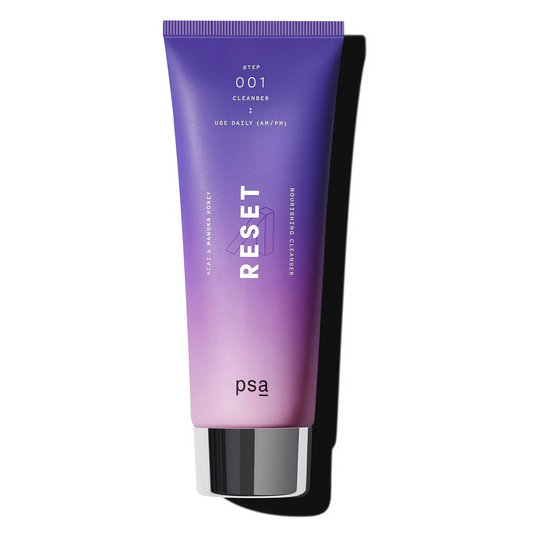 Acai & Manuka Honey Nourishing CleanserRegular price $31.00Sale price $31.00 Regular priceUnit price per
$31.00 USD -
 Awarded:
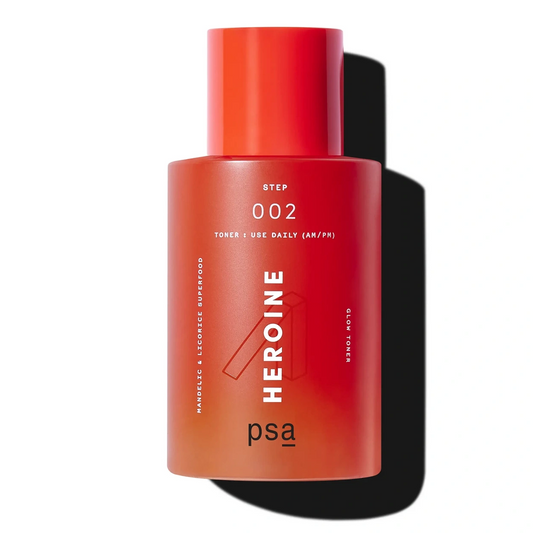
 Mandelic & Licorice Superfood Glow TonerRegular price $36.00Sale price $36.00 Regular priceUnit price per
$36.00 USD -
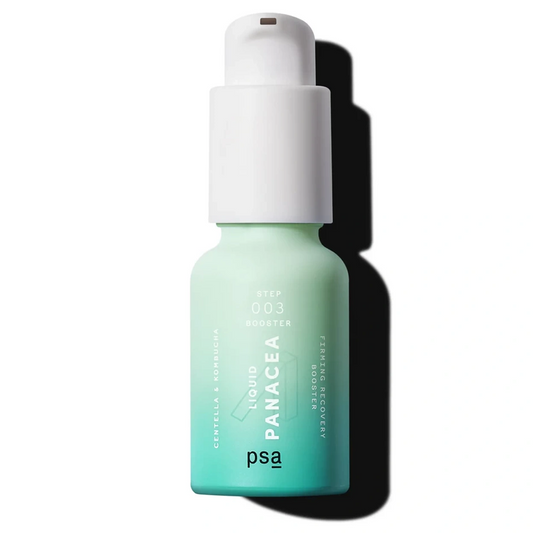 Centella & Kombucha Firming Recovery BoosterRegular price $31.00Sale price $31.00 Regular priceUnit price per
$31.00 USD -
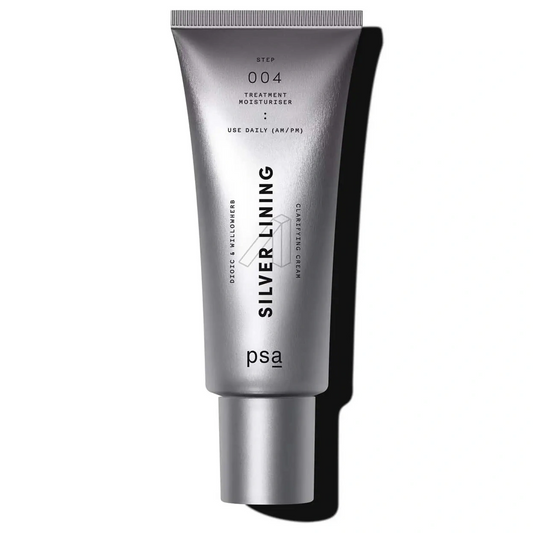 Dioic & Willowherb Clarifying CreamRegular price $38.00Sale price $38.00 Regular priceUnit price per
$38.00 USD

- Choosing a selection results in a full page refresh.
- Opens in a new window.