


Your skin is telling a story—one written in dark spots, uneven tone, and that persistent dullness that no amount of sleep seems to fix. You know the culprits: stress, sun damage, breakouts that leave their mark long after they've healed. And you're looking for the ingredient that actually fades all of it.
Enter the brightening heavyweight showdown: niacinamide vs vitamin C. Both promise to fade hyperpigmentation, even out skin tone, and restore that elusive glow. But when your skin is already under stress—compromised, reactive, or just plain overwhelmed—which one actually delivers?
Here's the truth: it's not about which one is "better." It's about which one works better for your skin, especially when life (and your complexion) is under pressure.
The Brightening Basics: What Each Actually Does?
1. Niacinamide: The Steady Problem-Solver
Niacinamide, also called vitamin B3 or nicotinamide, is the multitasking workhorse you didn't know you needed. It's a water-soluble vitamin that your skin uses for cellular energy production and repair—basically, it helps your skin function optimally at a fundamental level.
How it brightens: Niacinamide doesn't block melanin production directly. Instead, it prevents pigment packets from traveling surface skin cells.
The result? Less pigment reaches the surface of your skin, leading to a gradual, sustainable improvement in tone and brightness over 4-8 weeks.
But brightening is just the beginning. Niacinamide simultaneously:
-
Strengthens your skin barrier (critical when stress has compromised it)
-
Reduces inflammation and redness
-
Regulates oil production
-
Minimizes pore appearance
-
Boosts ceramide production for better moisture retention
-
Protects against oxidative stress
It's the ingredient that says: "I'm going to fix multiple problems while I'm here."
2. Vitamin C: The Protective Powerhouse
Vitamin C—specifically L-ascorbic acid in its most active form—is a potent antioxidant with impressive brightening credentials. It's naturally found in citrus fruits, berries, and peppers, but in skincare, it needs to be formulated carefully to remain stable and effective.
How it brightens: Vitamin C attacks melanin production at the source, and blocks the entire melanin production pathway.
Additionally, vitamin C's antioxidant properties neutralize free radicals that trigger melanogenesis in the first place—meaning it prevents pigmentation from forming while fading what's already there.
Beyond brightening, vitamin C:
-
Provides photoprotective benefits (works synergistically with sunscreen)
-
Stimulates collagen production for firmer skin
-
Reduces oxidative damage from pollution and UV exposure
-
Accelerates wound healing
-
Protects against photoaging
It's the ingredient that says: "I'm going to defend your skin while making it brighter."
The Real Difference: How They Perform Under Stress
Here's where things get interesting—and where the psychodermatology angle matters. When your skin is stressed (inflammation, compromised barrier, reactive), not all brightening ingredients perform equally.
Stability: The Hidden Variable
Niacinamide is remarkably stable. It doesn't oxidize easily, works across a wide pH range, and maintains its efficacy in various formulations. You can find it in serums, moisturizers, toners, even sunscreens—and it'll still work.
Vitamin C is notoriously unstable, especially in its most active form (L-ascorbic acid). It oxidizes when exposed to light, air, or the wrong pH, turning from clear to yellow or brown—and losing its effectiveness in the process. For vitamin C to actually work, it needs:
-
A water-based serum format
-
Concentration between 8-20% (sweet spot is 10-17%)
-
pH below 3.5
-
Airless or opaque packaging
-
Proper storage away from heat and light
This is why so many vitamin C products don't work—they're not formulated correctly or they've oxidized before you even open them.
Tolerance: The Stressed Skin Factor
Niacinamide is gentle. It's well-tolerated across all skin types, including sensitive and reactive skin, at concentrations of 2-10%. It actually reduces sensitivity and strengthens the barrier, making it ideal for skin that's already under pressure.
Side effects are rare and usually mild—a small percentage of people report ineffectiveness at higher concentrations, but true irritation is uncommon.
Vitamin C can be irritating, especially:
-
At higher concentrations (above 20%)
-
When formulated at very low pH (below 3)
-
On compromised or sensitive skin
-
When combined with other potent actives without proper buffering
The low pH required for L-ascorbic acid stability and penetration is the same low pH that can cause stinging, redness, and increased sensitivity. If your skin barrier is already compromised from stress, breakouts, or over-exfoliation, vitamin C can exacerbate the problem.
This doesn't mean vitamin C is "bad"—it means it requires more careful consideration when skin is reactive.
Speed vs. Sustainability
Vitamin C typically shows faster initial results—noticeable brightening within 2-4 weeks in clinical studies. When formulated properly and tolerated well, it's a powerful, relatively quick intervention for dullness and pigmentation.
Niacinamide works more gradually, with significant improvements appearing after 6-8 weeks of consistent use. However, its effects tend to be more sustainable long-term because it's simultaneously strengthening the skin's foundation.
Here's the key insight: when skin is stressed and reactive, gradual and sustainable often wins over fast and aggressive. You're not just trying to fade dark spots—you're trying to create an environment where your skin doesn't keep producing new ones.
The Stress Factor: Why It Matters for Brightening
Here's what most brightening comparisons miss: stress directly impacts pigmentation.
When you're chronically stressed, cortisol levels rise, so stress-related inflammation can worsen existing hyperpigmentation and trigger new dark spots through post-inflammatory hyperpigmentation (PIH).
This is where niacinamide's anti-inflammatory properties become crucial. It's not just fading pigmentation—it's addressing the inflammatory environment that's driving pigment production in the first place.
When to Choose Niacinamide
Niacinamide makes the most sense when:
Your skin is reactive or sensitive. If actives tend to irritate you, niacinamide is the safer bet. It won't sting, won't increase sensitivity, and will actually help strengthen your barrier while brightening.
You're dealing with breakouts and PIH. Niacinamide regulates oil production, reduces inflammation, and fades post-acne marks without aggravating active breakouts. It's the rare ingredient that addresses both the acne and the aftermath.
Your skin is stressed and barrier-compromised. When your skin feels raw, tight, or perpetually irritated, it needs support—not more aggression. Niacinamide rebuilds while it brightens.
You have redness alongside hyperpigmentation. Niacinamide reduces both inflammatory redness and melanin-based discoloration, making it ideal for skin dealing with multiple types of uneven tone.
You want a low-maintenance, foolproof option. Niacinamide works in virtually any product format, doesn't require special storage or handling, and plays well with other ingredients.
You're looking for long-term resilience, not just quick fixes. If your goal is skin that stays bright and balanced over time, niacinamide builds that foundation.
When to Choose Vitamin C
Vitamin C makes the most sense when:
Your skin isn't particularly sensitive. If you tolerate actives well and don't have a compromised barrier, vitamin C's potency can work in your favor.
Environmental protection is a priority. If you live in a polluted area, spend time outdoors, or are concerned about photoaging, vitamin C's antioxidant protection is unmatched. Pair it with sunscreen for comprehensive defense.
You want faster visible results. If you've got an event coming up or simply prefer seeing quicker improvements, properly formulated vitamin C can deliver more rapid brightening.
Dullness is your primary concern. If you're not dealing with inflammation or sensitivity—just tired, lackluster skin—vitamin C's radiance-boosting effects are powerful.
You're willing to invest in high-quality formulation. If you're committed to finding a properly formulated, stable vitamin C product (and storing it correctly), the payoff is worth it.
You have significant sun damage. Vitamin C has strong evidence for fading solar lentigines and reversing photoaging, making it valuable for sun-damaged skin that can tolerate it.
The Case for Using Both
Here's what the dermatology community has come to understand: niacinamide and vitamin C aren't competitors—they're collaborators.
Despite an outdated myth that they couldn't be used together (based on a misunderstanding of how niacinamide converts to niacin at high temperatures in manufacturing—not on your skin), current research confirms they work synergistically when properly formulated.
Why the combination works:
-
Vitamin C tackles tyrosinase directly; niacinamide blocks melanosome transfer → you're attacking pigmentation at two different points
-
Vitamin C provides antioxidant defense; niacinamide strengthens the barrier → comprehensive protection
-
Vitamin C boosts collagen; niacinamide improves skin structure → multiple anti-aging pathways
-
Vitamin C can be irritating; niacinamide calms and buffers → better tolerance overall
How to layer them (if your skin tolerates both):
-
Morning: Vitamin C first. On clean skin, apply vitamin C serum. Wait a minute for absorption. Follow with niacinamide (in serum, mist or moisturizer form). Finish with sunscreen. Vitamin C works synergistically with SPF for enhanced photoprotection.
-
Evening: Niacinamide focus. If your skin is sensitive, separate them. Use vitamin C in the morning for its antioxidant benefits, and niacinamide in the evening to support barrier repair overnight.
-
Or use formulations that combine both. Look for products that use stabilized vitamin C derivatives (like sodium ascorbyl phosphate or magnesium ascorbyl phosphate) paired with niacinamide—they're formulated to work together.
The stress-management angle: Using both addresses pigmentation comprehensively—vitamin C prevents oxidative stress from triggering new pigment, while niacinamide calms the inflammatory response that's driving production. Together, they create an environment where your skin can actually reset.
How PSA Uses These Ingredients
At PSA, we formulate with the understanding that stressed skin needs efficacy and gentleness—not one at the expense of the other.
Niacinamide appears throughout our line because it aligns perfectly with our psychodermatology-informed approach:
-
VISIBLE IMPROVEMENT (Peptides & Niacinamide Serum) – 10% niacinamide combined with peptides for comprehensive brightening, barrier support, and anti-aging without irritation
-
DEW HALO (Niacinamide & Blackberry Mist) – 5% niacinamide in a hydrating mist format to instantly refresh, prep skin, and deliver brightening benefits throughout the day
-
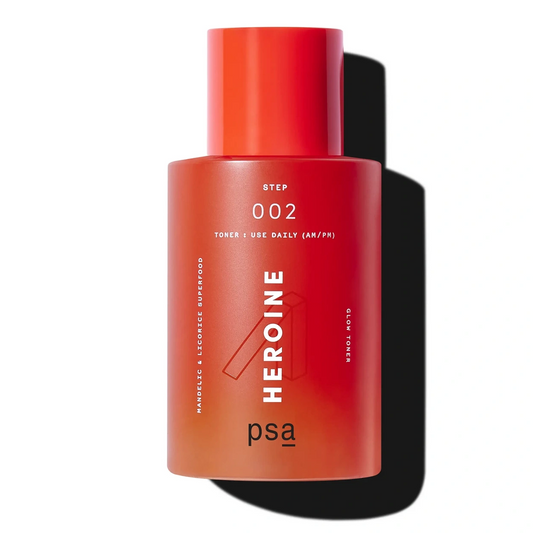
HEROINE (Mandelic & Licorice Superfood Glow Toner) – Niacinamide paired with gentle mandelic acid for exfoliation and brightening that works for stressed, tired skin
-
GOALS (Multi Acids & Probiotics Perfecting Night Serum) – Niacinamide supports barrier function while acids work overnight to renew and brighten
We chose niacinamide as a cornerstone ingredient because it delivers results while supporting skin resilience. When your skin is dealing with stress-triggered inflammation, hormonal fluctuations, or barrier compromise, niacinamide addresses the root causes—not just the symptoms.
Vitamin C has its place, but requires more careful consideration. For stressed skin, stabilized derivatives or buffered formulations make more sense than high-concentration L-ascorbic acid. If you're incorporating vitamin C, do so strategically—in the morning, properly formulated, paired with sunscreen, and introduced gradually to assess tolerance.
What to Look for in Products
For Niacinamide:
-
Concentration: 2-10% (5% is the sweet spot for most people)
-
Formulation: Works in any format—serum, moisturizer, toner, mist
-
Pairs well with: Literally everything—peptides, hyaluronic acid, ceramides, gentle acids, retinoids
-
Watch for: Very rare, but some people find concentrations above 10% less effective or mildly irritating
For Vitamin C:
-
Active form: L-ascorbic acid for maximum efficacy, OR stabilized derivatives (sodium ascorbyl phosphate, magnesium ascorbyl phosphate) for gentler action
-
Concentration: 10-20% for L-ascorbic acid; derivatives can be used at higher percentages
-
pH: Should be below 3.5 for L-ascorbic acid
-
Packaging: Airless pump or opaque bottle (if you can see yellow/brown color, it's oxidized)
-
Texture: Water-based serum format for best absorption
-
Pairs well with: Vitamin E, ferulic acid (both enhance stability and efficacy), sunscreen
-
Avoid combining with: Strong exfoliants initially; introduce gradually
The Bottom Line for Stressed Skin
If your skin is under pressure—dealing with inflammation, barrier compromise, sensitivity, or stress-related breakouts—niacinamide is the more reliable choice. It brightens while it repairs, calms while it evens tone, and delivers cumulative benefits without demanding perfect conditions.
Vitamin C has powerful brightening and protective properties, but it requires more from your skin and your routine. When properly formulated and well-tolerated, it's an excellent addition. But if you're choosing one ingredient to start with for stressed, reactive, or overwhelmed skin, niacinamide wins.
The ideal approach? Build your routine around niacinamide for consistent, sustainable brightening and barrier support. Add vitamin C if and when your skin is ready—when your barrier is strong, your sensitivity is low, and you've found a formulation that works.
Remember: bright skin isn't just about fading dark spots. It's about creating an environment where your skin can function optimally, respond to stress without overreacting, and maintain an even, healthy glow long-term.
That's the real difference between ingredients that brighten and ingredients that help skin stay bright.
Quick Reference Guide
Choose Niacinamide if:
✓ You have sensitive or reactive skin
✓ Your barrier feels compromised
✓ You're dealing with redness and hyperpigmentation
✓ You have acne-prone skin with PIH
✓ You want gradual, sustainable results
✓ You're overwhelmed and want something foolproof
✓ Your skin is stressed and needs support, not aggression
Choose Vitamin C if:
✓ Your skin tolerates actives well
✓ Environmental protection is a priority
✓ You want faster visible brightening
✓ You have significant sun damage
✓ You're willing to invest in proper formulation
✓ Dullness (not sensitivity) is your main concern
✓ You want powerful antioxidant defense
Choose Both if:
✓ Your skin can handle multiple actives
✓ You want comprehensive pigmentation control
✓ You're committed to a strategic layering routine
✓ You need both antioxidant protection and barrier support
✓ You're targeting multiple concerns simultaneously
Final Thoughts
Brightening isn't about bleaching or erasing—it's about restoring balance, addressing inflammation, and creating the conditions for healthy, even skin tone. Whether you choose niacinamide, vitamin C, or both, the goal isn't perfection. It's resilience.
Your skin doesn't need more pressure. It needs ingredients that work with it, not against it—especially when life is already demanding enough.
Related Posts


-
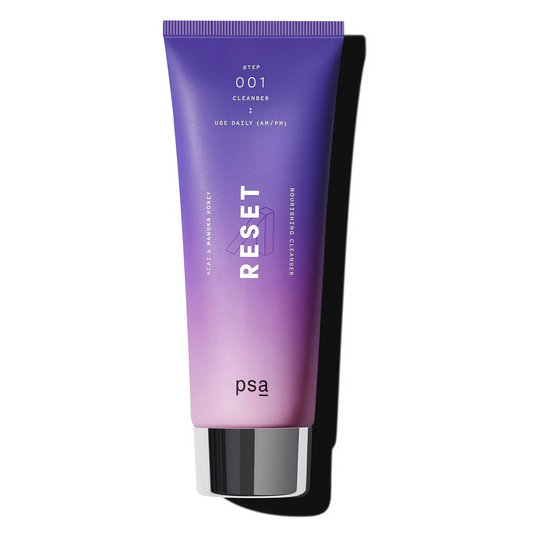 Acai & Manuka Honey Nourishing CleanserRegular price $31.00Sale price $31.00 Regular priceUnit price per
$31.00 USD -
 Awarded:
 Mandelic & Licorice Superfood Glow TonerRegular price $36.00Sale price $36.00 Regular priceUnit price per
$36.00 USD -
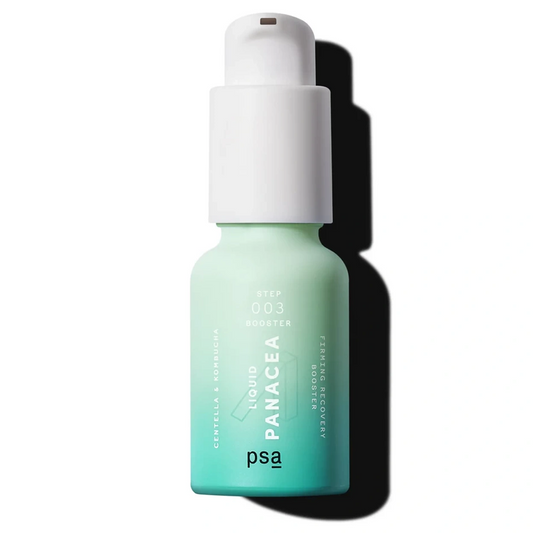 Centella & Kombucha Firming Recovery BoosterRegular price $31.00Sale price $31.00 Regular priceUnit price per
$31.00 USD -
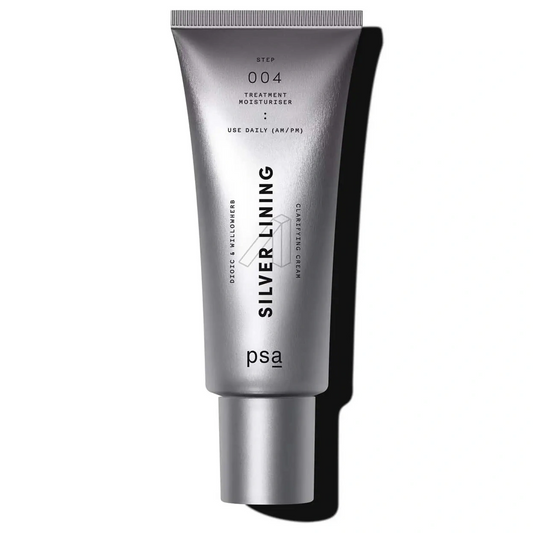 Dioic & Willowherb Clarifying CreamRegular price $38.00Sale price $38.00 Regular priceUnit price per
$38.00 USD

- Choosing a selection results in a full page refresh.
- Opens in a new window.