


You made it through. The brutal work deadline, the family crisis, the move, the breakup—whatever stressful month you just survived.
But while you were busy holding everything together, your skin was falling apart.
Now you're dealing with the aftermath: dry patches that won't quit, redness that flares out of nowhere, products that used to work fine suddenly burning your face. Your skin feels raw, reactive, and exhausted.
Here's what happened: chronic stress didn't just mess with your mind—it systematically destroyed your skin's protective barrier. And now that barrier needs rebuilding.
The good news? Your skin barrier can recover. It just needs the right support and a little time.
What Actually Happened to Your Skin During That Stressful Month
Our skin barrier is like a brick wall. The cells are bricks, and the lipids (fats) between them are mortar. When everything's working, this wall keeps good stuff in (moisture, nutrients) and bad stuff out (bacteria, pollution, irritants).
But when you're chronically stressed, three things happen:
1. Cortisol attacks the mortar: Your stress hormone literally breaks down the lipids holding your skin cells together. The wall develops cracks and gaps.
2. Your skin can't make repairs: Normally, your skin rebuilds this wall constantly. But elevated cortisol blocks ceramide production—the main ingredient in that protective mortar. You're losing barrier faster than you can replace it.
3. Everything gets inflamed: Chronic stress triggers low-grade inflammation throughout your body, including your skin. Inflammation damages the barrier further and makes it even slower to heal.
Your once-solid wall is now Swiss cheese. Moisture escapes. Irritants get in. Everything hurts.
This is why your skin suddenly became a nightmare right when you were too stressed to deal with it.
Signs Your Barrier Is Compromised
Not sure if your barrier is damaged? Here's what it looks like:
Obvious signs:
-
Tight, uncomfortable feeling even after moisturizing
-
Dry, flaky patches that won't go away
-
Redness that appears without obvious triggers
-
Products stinging or burning (even gentle ones)
-
Increased sensitivity to everything
-
Itchy, irritated skin
Subtle signs:
-
Makeup sits weirdly on your skin
-
Skin looks dull and rough
-
Fine lines more noticeable (from dehydration)
-
Breakouts in unusual places
-
Oily AND dry at the same time (skin overcompensating)
-
Healing takes forever
If you checked off multiple items, your barrier needs help.
The Recovery Plan: How to Rebuild Your Barrier
Rebuilding your skin barrier isn't complicated, but it requires discipline. You need to strip your routine down to basics, remove anything irritating, and focus on three things: repair, hydration, and protection.
Here's exactly how to do it.
Step 1: Stop the Damage (Immediately)
First, quit doing the things that are making it worse.
Put these on pause:
-
Retinol, retinoids, tretinoin
-
Exfoliating acids (AHAs, BHAs)
-
Vitamin C serums (the acidity is too much right now)
-
Physical scrubs or brushes
-
Face masks with active ingredients
-
Anything with fragrance or essential oils
I know, I know. You just invested in that fancy retinol. Your expensive vitamin C serum is sitting there. But using them on compromised skin is like rubbing salt in a wound. You're not helping—you're causing more damage.
Give your skin 2-4 weeks to rebuild before reintroducing actives. It's not forever.
Step 2: Cleanse Gently (Without Stripping)
Your cleanser is the first place to make changes.
What you need: A gentle, non-foaming cleanser that removes dirt without stripping your natural oils. Look for cream or oil-based cleansers.
What to avoid:
-
Foaming cleansers with sulfates
-
"Deep cleansing" or "clarifying" formulas
-
Anything that makes your skin feel tight after
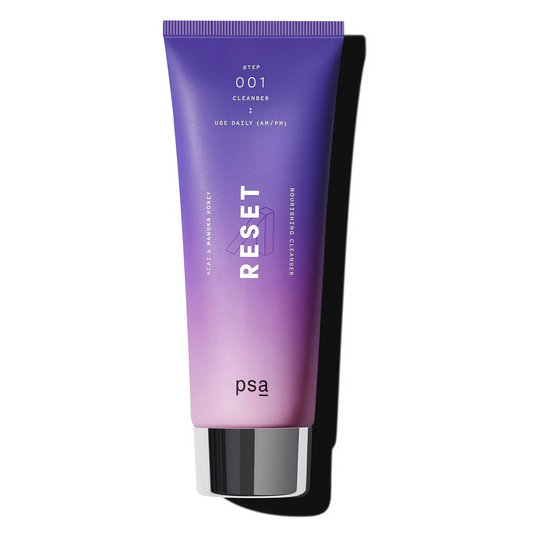
RESET Acai & Manuka Honey Nourishing Cleanser is sulfate-free and won't strip your barrier. It contains Manuka Honey (antimicrobial + humectant), Acai and Pomegranate extracts (antioxidants for stressed skin), and Grapeseed Oil rich in linoleic acid—which actually helps rebuild barrier lipids.
How to use it:
-
Use lukewarm water (not hot)
-
Massage gently for 30 seconds
-
Rinse thoroughly
-
Pat dry (don't rub)
-
Cleanse once at night; in the morning, just rinse with water
Your face shouldn't feel tight or squeaky clean. If it does, your cleanser is too harsh.
Step 3: Add Immediate Hydration
After cleansing, your skin is most receptive to hydration. This is when you layer on moisture.
What you need: A hydrating toner or essence with humectants that attract water into your skin.
Key ingredients to look for:
-
Hyaluronic acid: Holds 1000x its weight in water
-
Glycerin: Draws moisture from the air into skin
-
Panthenol (B5): Deeply hydrating and soothing
-
Sodium PCA: Natural moisturizing factor
THE MOST Hyaluronic Super Nutrient Hydration Serum contains multiple weights of Hyaluronic Acid (penetrates different skin depths), Panthenol, Sodium PCA, and Kombucha—all working to flood dehydrated, stressed skin with moisture.
Application tip: Apply to damp skin. Hyaluronic acid needs water to work—if you apply it to dry skin, it can actually pull moisture OUT of deeper layers. Mist your face first, then apply serum while still damp.
Step 4: Repair the Barrier (This Is Critical)
Hydration alone isn't enough. You need ingredients that actually rebuild the damaged lipid layer—the mortar in that brick wall.
The barrier-repair MVPs:
Ceramides: These are the main lipids in your skin barrier. When you're stressed, you're not making enough of them. Topical ceramides fill in the gaps.
Niacinamide: Not just hydrating—it actually stimulates ceramide production.
Cholesterol and fatty acids: Work with ceramides to reconstruct the lipid matrix. You need all three together for optimal repair.
Centella Asiatica: This adaptogenic plant (also called Cica or Gotu Kola) speeds wound healing and reduces inflammation. Critical for stressed, compromised barriers.
VISIBLE IMPROVEMENT Peptides & Niacinamide Serum contains 10% Niacinamide—well above the 5% needed for barrier repair. It also includes Beta Glucan (forms a protective film), Panthenol (hydration + barrier support), and peptides that support collagen production as your barrier heals.
Why this matters: Stressed skin has both compromised barrier AND collagen breakdown. You need to address both simultaneously.
Step 5: Seal Everything In
After applying water-based serums, you need an occlusive layer to prevent moisture loss. This is especially critical at night when transepidermal water loss (TEWL) increases.
What you need: A rich moisturizer or facial oil that creates a protective seal without clogging pores.
Key ingredients:
-
Squalane: Biomimetic (similar to your natural oils), non-comedogenic
-
Plant oils high in linoleic acid: Grapeseed, rosehip, safflower—these actually help normalize sebum
-
Shea butter or similar emollients: Softens and protects
-
Peptides: Support collagen and barrier repair while you sleep
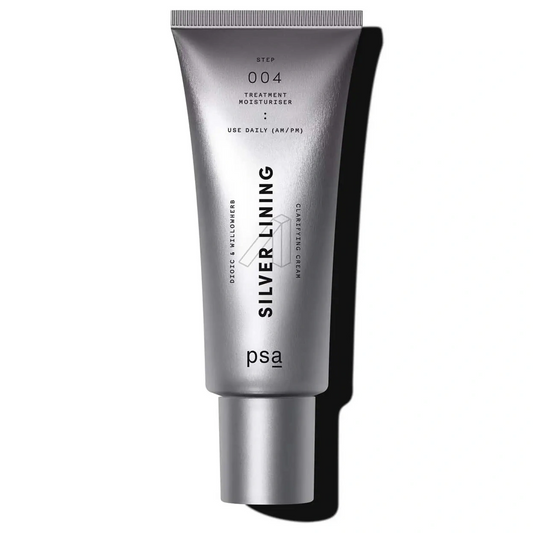
For breakout-prone stressed skin: SILVER LINING Dioic & Willowherb Clarifying Cream is interesting because it treats breakouts while supporting barrier repair. It contains:
-
Niacinamide: Barrier repair + sebum regulation
-
Zinc PCA: Antimicrobial + hydrating (doesn't strip like benzoyl peroxide)
-
Lactobacillus Ferment: Probiotic support for damaged microbiomes
-
Squalane: Non-comedogenic hydration
This is rare—most acne treatments destroy your barrier. This one rebuilds it.
Application: Apply to slightly damp skin. The moisture helps everything absorb better. Don't be afraid to use more than you think you need—damaged barriers require extra support.
Step 6: Protect During the Day
Sun exposure damages your barrier further. UV rays break down lipids, trigger inflammation, and slow healing.
Non-negotiable: Broad-spectrum SPF 30+ every single day. No exceptions.
Application tip: Wait 5 minutes after your morning moisturizer, then apply SPF as your final step. Reapply every 2 hours if you're outside.
The Recovery Timeline: What to Actually Expect
Let's be realistic about how long this takes.
Week 1: Your skin feels less tight and irritated. Stinging when applying products decreases. Small improvement, but noticeable.
Week 2: Dryness and flaking start improving. Redness calms down. Products absorb better instead of sitting on top of skin.
Week 3-4: Significant improvement. Barrier function measurably better. Skin looks healthier, feels more resilient. You can start testing gentle actives if you want.
6-8 weeks: Full barrier recovery for most people. Skin tolerates normal products again. Sensitivity resolves.
The catch: If you go back to your stressful lifestyle and harsh products immediately, you'll damage it again. Maintenance is key.
What About Breaking Out During Recovery?
This is tricky. Your barrier is compromised, but you're also getting breakouts. What do you do?
Don't:
-
Use harsh acne treatments (benzoyl peroxide, high-strength salicylic acid)
-
Over-exfoliate thinking it will help
-
Strip your skin trying to remove oil
Do:
-
Use gentle antimicrobials (zinc, colloidal silver, tamanu oil)
-
Support your microbiome with probiotics/postbiotics
-
Focus on barrier repair—healthy barriers resist breakouts better
-
Manage inflammation (this is often causing the breakouts)
The PSA approach: Ingredients like Dioic Acid (in SILVER LINING) regulate sebum without stripping, Zinc PCA provides antimicrobial action without destruction, and probiotics help restore balance. You're treating the cause (compromised barrier + inflammation) not just the symptom (breakouts).
The Lifestyle Component: Address the Root Cause
You can use the best products in the world, but if you don't address the stress, your barrier will stay compromised.
Non-negotiable lifestyle factors:
Sleep 7-8 hours: Growth hormone production during deep sleep is when your skin repairs itself most. Skimp on sleep, and you're sabotaging recovery.
Manage stress actively: Meditation, exercise, therapy, boundaries—whatever works for you. High cortisol = impaired barrier repair. Lower cortisol = faster recovery.
Eat for barrier health:
-
Omega-3 fatty acids (fatty fish, walnuts, flaxseed)
-
Foods high in vitamin E (almonds, avocado, spinach)
-
Zinc-rich foods (pumpkin seeds, chickpeas, cashews)
-
Antioxidants (berries, dark leafy greens)
Stay hydrated: Water supports cellular function including barrier repair. Aim for half your body weight in ounces daily.
Don't smoke or drink excessively: Both impair barrier function and slow healing.
What NOT to Do (Common Mistakes)
Mistake #1: Adding too much too fast Your barrier is fragile. Don't throw 5 new products at it immediately. Introduce one thing at a time, wait a few days, assess.
Mistake #2: Using "natural" irritants Just because it's natural doesn't mean it's gentle. Essential oils, lemon juice, DIY masks—these can damage barriers further. Stick to proven, gentle ingredients.
Mistake #3: Over-moisturizing with heavy occlusives If you pile on thick creams without adding water first (humectants), you're sealing in dryness. Layer: water-based products first, then occlusives.
Mistake #4: Expecting overnight results Barrier repair takes weeks. Stick with your simple routine even when you're impatient.
Mistake #5: Reintroducing actives too soon That 2-week mark where your skin feels better? That's not full recovery. Wait the full 4 weeks before adding back retinol or acids.
When to See a Dermatologist
Most barrier damage heals with proper care. But see a professional if:
-
Symptoms worsen after 2 weeks of gentle care
-
You develop a rash or severe irritation
-
Skin cracks or bleeds
-
Signs of infection (oozing, crusting, severe redness)
-
You have underlying conditions (eczema, rosacea, psoriasis)
Dermatologists can prescribe barrier-repair ointments, anti-inflammatory medications, or identify underlying issues making recovery difficult.
The Maintenance Plan: Keep Your Barrier Strong
Once you've rebuilt your barrier, don't go back to your old ways. Maintenance prevents having to recover again.
Daily essentials:
-
Gentle cleansing (no harsh stripping)
-
Consistent hydration (humectants + occlusives)
-
Barrier-supporting ingredients (niacinamide, ceramides)
-
Daily SPF (non-negotiable)
Weekly support:
-
Hydrating masks when needed
-
Facial massage (boosts circulation without irritation)
When reintroducing actives:
-
Start with low concentrations
-
Use 2-3x per week initially
-
Always pair with barrier support (niacinamide, hydration)
-
Listen to your skin—if it gets irritated, pull back
Stress management ongoing:
-
Regular exercise
-
Adequate sleep
-
Boundaries at work
-
Stress-reduction practices
Your barrier is now strong, but it's not indestructible. Protect it.
The Bottom Line
That stressful month damaged your skin barrier from the inside out. Cortisol broke down the lipids holding your skin cells together, inflammation made everything worse, and your skin lost its ability to protect itself.
But here's what stress didn't do: permanently destroy your skin.
Your barrier can rebuild. It just needs support:
1. Stop the damage: Remove harsh products, give your skin a break from actives.
2. Cleanse gently: No stripping, no sulfates, no hot water.
3. Flood with hydration: Humectants on damp skin, multiple times a day if needed.
4. Repair the structure: Niacinamide, ceramides, peptides—ingredients that rebuild what stress destroyed.
5. Seal everything in: Occlusives at night to prevent moisture loss.
6. Protect during the day: SPF, antioxidants, gentle formulations.
7. Address the root cause: Manage stress, sleep more, eat for skin health.
Give it 4-6 weeks. Be patient. Be consistent. Your barrier will recover.
And next time life gets stressful? You'll know how to protect your skin before it falls apart.
Your skin survived everything you put it through this month. Now it's time to help it reset.
This article provides educational information about barrier repair. Individual recovery times vary. For persistent or severe barrier damage, consult a dermatologist.
Related Posts


-
 Acai & Manuka Honey Nourishing CleanserRegular price $31.00Sale price $31.00 Regular priceUnit price per
$31.00 USD -
 Awarded:
 Mandelic & Licorice Superfood Glow TonerRegular price $36.00Sale price $36.00 Regular priceUnit price per
$36.00 USD -
 Centella & Kombucha Firming Recovery BoosterRegular price $31.00Sale price $31.00 Regular priceUnit price per
$31.00 USD -
 Dioic & Willowherb Clarifying CreamRegular price $38.00Sale price $38.00 Regular priceUnit price per
$38.00 USD

- Choosing a selection results in a full page refresh.
- Opens in a new window.