


Your skin and brain are in constant communication. When stress hits, it does not just affect your mood—it disrupts the trillions of bacteria living on your skin. These microscopic organisms, your skin microbiome, play a massive role in how your skin handles stress.
Think of your microbiome as your skin's invisible defense team. When it is healthy and balanced, it helps you manage stress. When it is thrown off balance, stress shows up as breakouts, inflammation, and irritation.
Why Stress Shows Up On Your Skin
When you are stressed, your body releases cortisol and other stress hormones. These hormones do not stay in your head—they travel through your bloodstream and directly impact your skin.
Here is what happens: stress hormones redirect immune cells into your skin tissue, triggering inflammation. At the same time, they mess with your skin's bacterial balance. Studies show that when cortisol levels spike, beneficial bacteria like Lactobacillus (the good guys) decrease, while inflammatory bacteria increase.
Your skin actually has its own stress response system, similar to your brain. It produces the same stress hormones and can either calm inflammation or make it worse, depending on how healthy your microbiome is.
The Three Things Stress Steals From Your Skin
Cortisol does not just spike and disappear. It lingers, and while it is hanging around, it depletes three things your skin desperately needs:
1. Oil balance Cortisol slows down production of your skin's natural, protective oils. But weirdly, it also triggers overproduction of sebum—the heavier, pore-clogging oil that leads to breakouts. This imbalance throws off your skin's pH, creating an environment where beneficial bacteria struggle to survive.
2. Hydration Stress triggers free radical production, which damages your skin's lipid barrier. This leads to transepidermal water loss—basically, your skin cannot hold onto moisture. The result? Dehydration, compromised barrier function, and skin that is vulnerable to irritation.
3. Bacterial balance When your microbiome gets disrupted, pathogenic bacteria like Staphylococcus aureus can take over. This is called dysbiosis, and it is linked to conditions like eczema, psoriasis, and acne. Research shows that stress-induced dysbiosis actually starts in your gut, then progresses to your skin, creating system-wide inflammation.
How Beneficial Bacteria Protect You From Stress
Not all bacteria are bad. The beneficial species on your skin—especially Lactobacillus and Bifidobacterium—work hard to protect you from stress damage.
Here is how they help:
They block out the bad guys - Good bacteria occupy space on your skin, preventing pathogenic bacteria from setting up shop. They even produce antimicrobial compounds called bacteriocins that specifically target harmful bacteria like Staphylococcus aureus.
They strengthen your barrier - Beneficial bacteria stimulate ceramide production and support the proteins that hold your skin barrier together. This helps your skin retain moisture and resist irritants.
They calm inflammation - Probiotic bacteria increase anti-inflammatory signals in your skin, reducing redness, itching, and sensitivity. Studies have shown that Lactobacillus ferment can reduce harmful bacteria colonization in people with eczema.
They fight oxidative stress - Some probiotic strains produce antioxidant compounds that neutralize the free radicals generated by chronic stress. This protects your skin cells from ongoing damage.
The Centella-Probiotic Connection
This is where it gets interesting. Certain ingredients work on both your stress response AND your microbiome at the same time.
Centella Asiatica is one of these adaptogenic ingredients. It has been used in traditional medicine for centuries to calm the nervous system. Modern research confirms that it reduces cortisol while simultaneously supporting skin barrier repair and reducing inflammation.
Its key compound, madecassoside, provides multiple benefits: it accelerates wound healing, protects against UV damage, and has powerful anti-inflammatory effects.
When you combine Centella with probiotic ferments like Lactobacillus, you get a synergistic effect. The Centella helps regulate stress hormone production, while the probiotics maintain the bacterial balance your skin needs.
Other stress-fighting, microbiome-supporting ingredients include:
Kombucha - This fermented tea produces organic acids that support your skin's pH balance, creating the perfect environment for beneficial bacteria.
Niacinamide - It increases ceramide production, strengthening your barrier and creating a stable home for good bacteria. It also regulates oil production, which stress tends to throw off balance.
Bisabolol and Panthenol - These soothing ingredients reduce the immediate inflammatory response triggered by stress—the itching, flushing, and swelling that can disrupt your microbiome.
Acute Stress Versus Chronic Stress
Not all stress is equally damaging to your microbiome.
Short-term, acute stress can actually boost your immune defenses temporarily. Your body evolved to handle occasional stressful events. The problem is chronic, ongoing stress.
With chronic stress, cortisol stays elevated all day instead of following its natural rhythm (high in the morning, low at night). This persistent elevation leads to exhaustion, anxiety, sleep problems, and continuous microbiome disruption.
This matters for skincare. Acute stress needs resilience support—ingredients that help your skin bounce back quickly. Chronic stress needs sustained barrier protection and ongoing microbiome maintenance.
Building A Stress-Resilient Microbiome
You cannot eliminate stress completely. But you can build skin that is more resilient to it.
Simplify your routine - Chronic stress already depletes your skin's resources. A complicated 12-step routine with harsh actives strips your barrier and microbiome even more. A simple routine with the right ingredients gives your skin what it needs without overwhelming it.
Choose microbiome-friendly products - Avoid harsh sulfates, high concentrations of essential oils, and excessive antimicrobial ingredients. These strip away beneficial bacteria along with the bad. Look for gentle, pH-balanced cleansers and fermented ingredients that support bacterial diversity.
Use adaptogenic ingredients - Incorporate Centella Asiatica, which works on both your nervous system and skin barrier. The research on this ingredient is clear—it reduces cortisol while supporting barrier repair.
Support your barrier consistently - Your skin barrier is home to your microbiome. When it is compromised, beneficial bacteria cannot survive. Ingredients like hyaluronic acid, ceramides, and squalane create the stable environment good bacteria need.
Your 5-Minute Microbiome-Supportive Routine
You do not need 30 products. You need the right ingredients working together.
Step 1: Gentle cleansing - Use a sulfate-free cleanser that removes dirt and excess oil without stripping your beneficial bacteria. Look for something pH-balanced.
Step 2: Hydration + actives - Layer a hydrating serum with ingredients like hyaluronic acid to create the moist environment where beneficial bacteria thrive. Follow with a serum or treatment containing Centella Asiatica and niacinamide—these address both stress response and barrier support.
Step 3: Protection Finish with a moisturizer containing antioxidants. These neutralize free radicals generated by stress-driven inflammation, protecting both your skin cells and beneficial bacteria.
In the morning, add SPF as your final step.
Why This Approach Works
When you use formulations that combine barrier-supportive ingredients, adaptogens, and probiotic ferments, you are doing more than just moisturizing. You are:
-
Creating the right environment for beneficial bacteria to thrive
-
Reducing cortisol-driven inflammation at the skin level
-
Supporting your skin's natural antimicrobial defenses
-
Helping your skin clear stress hormones more efficiently
-
Maintaining the bacterial diversity that makes skin resilient
The research backs this up. Studies show that probiotic applications can reshape your microbiome composition, adaptogen ingredients reduce stress hormones, and barrier-supportive formulations prevent stress-induced damage.
Real Talk: What To Expect
Building microbiome resilience is not an overnight process. Your skin's bacterial ecosystem took time to get out of balance, and it needs time to recover.
In the first 1-2 weeks, you might notice your skin feels calmer and less reactive. This is your barrier starting to strengthen and inflammation beginning to decrease.
By weeks 3-4, you should see visible improvements in texture, hydration, and how your skin responds to stress. Breakouts may become less frequent or less severe.
By 6-8 weeks, your microbiome should be significantly more balanced. Your skin will be better equipped to handle stressful periods without showing it on your face.
The key is consistency. Your beneficial bacteria need ongoing support to maintain their territory and keep pathogenic bacteria in check.
Common Mistakes That Sabotage Your Microbiome
Even with the right ingredients, certain habits can undermine your efforts:
Over-cleansing - Washing your face more than twice daily strips away beneficial bacteria faster than they can repopulate. Your microbiome needs stability, not constant disruption.
Overusing acids - While exfoliating acids have their place, using them daily or combining multiple types creates an inhospitable pH environment for beneficial bacteria. Less is more.
Mixing too many actives - Layering retinoids with acids with vitamin C with benzoyl peroxide creates a hostile environment for your microbiome. Choose one or two targeted actives and give them time to work.
Skipping moisturizer - Even oily skin needs moisture. When your barrier is compromised from lack of hydration, beneficial bacteria cannot survive on the surface.
Ignoring stress management - All the probiotic skincare in the world cannot fully compensate for chronic, unmanaged stress. Your skin-brain connection works both ways. Finding stress reduction techniques that work for you—whether that is exercise, meditation, adequate sleep, or therapy—supports your microbiome from the inside out.
The Bigger Picture: Psychodermatology
This whole approach represents an emerging field called psychodermatology—the study of how psychological factors affect skin health and vice versa.
For decades, skincare focused solely on what you put on your skin. But research now shows that your mental state, stress levels, and nervous system function directly impact your skin's bacterial ecosystem, barrier function, and inflammatory responses.
Psychodermatology recognizes that effective skincare addresses both the physical and psychological aspects of skin health. It is not just about treating symptoms. It is about supporting the biological systems that determine whether stress shows up on your face or gets efficiently managed by your body.
This is why ingredients like Centella Asiatica matter so much. They work on multiple levels—calming your stress response while supporting your skin barrier and microbiome. This multi-level approach creates lasting resilience rather than just temporary relief.
Final Thoughts
Stress disrupts your skin microbiome by spiking cortisol, reducing beneficial Lactobacillus bacteria, and triggering inflammation that compromises your barrier. The solution is not eliminating stress—it is building microbiome resilience.
Use adaptogenic ingredients like Centella Asiatica to reduce cortisol. Add probiotic ferments to support bacterial diversity. Include barrier-supportive ingredients to create a stable environment for beneficial microbes.
A simple 3-step routine with these ingredients addresses stress at the biological level, giving your skin the resilience it needs for modern life.
Your microbiome is already trying to protect you from stress. Give it what it needs to succeed.
Related Posts


-
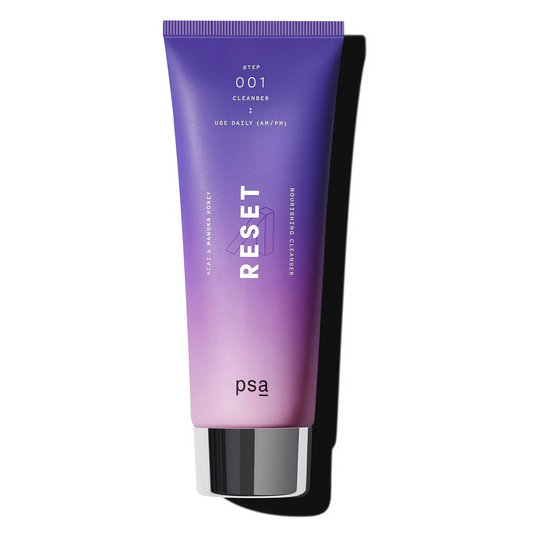 Acai & Manuka Honey Nourishing CleanserRegular price $31.00Sale price $31.00 Regular priceUnit price per
$31.00 USD -
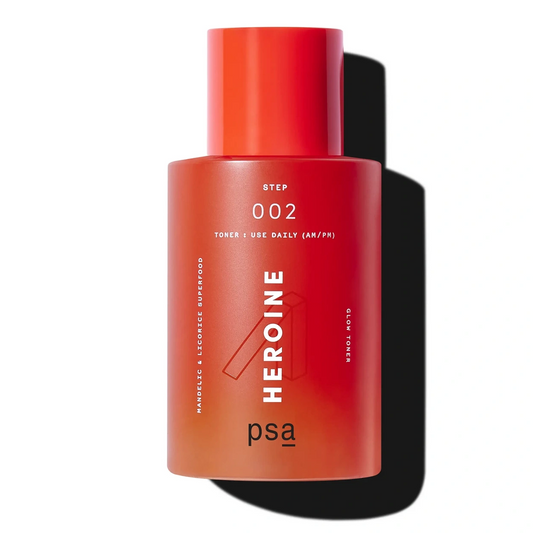 Awarded:
 Mandelic & Licorice Superfood Glow TonerRegular price $36.00Sale price $36.00 Regular priceUnit price per
$36.00 USD -
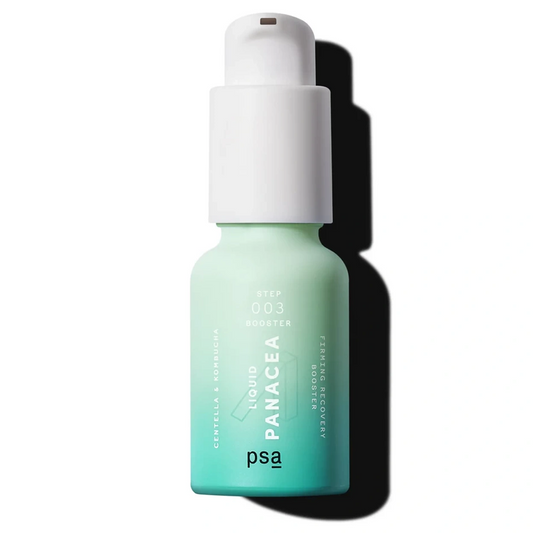 Centella & Kombucha Firming Recovery BoosterRegular price $31.00Sale price $31.00 Regular priceUnit price per
$31.00 USD -
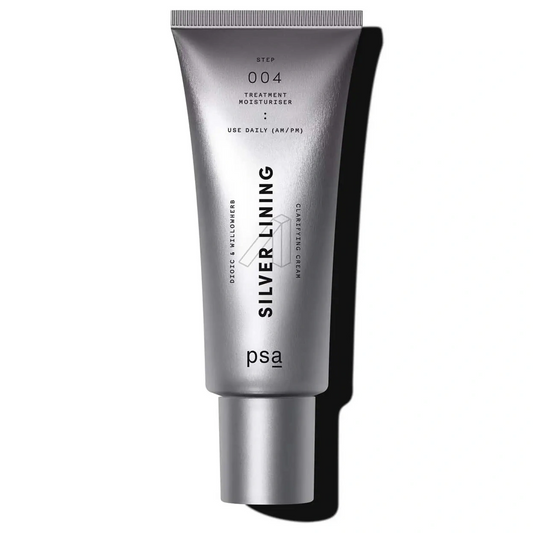 Dioic & Willowherb Clarifying CreamRegular price $38.00Sale price $38.00 Regular priceUnit price per
$38.00 USD

- Choosing a selection results in a full page refresh.
- Opens in a new window.