


The breakouts that show up before big presentations, the dullness that won't budge, the hyperpigmentation that seems permanent. You've heard chemical exfoliants can help—specifically glycolic acid and mandelic acid. But which one won't make everything worse?
If your skin is already dealing with stress (and let's be real, whose isn't?), choosing the wrong exfoliant can push you from "I need help" to "everything burns and I hate my face." Not helpful.
This isn't about which acid is "better." It's about which one your skin can actually handle right now.
The Real Difference (Beyond Molecular Size)
Let's cut through the science jargon. Yes, glycolic acid has smaller molecules (76 Daltons) and mandelic acid has larger ones (152 Daltons). But here's what that actually means for your stressed-out skin:
Glycolic Acid: The Overachiever
Derived from sugar cane, glycolic acid is the smallest AHA, which means it penetrates quickly and deeply. Think of it as the Type A personality of exfoliants—highly effective, gets results fast, but can be intense if you're not ready for it.
It works by dissolving the bonds between dead skin cells, speeding up cell turnover, stimulating collagen production, and inhibiting melanin formation. Studies show it can reduce hyperpigmentation and improve skin texture significantly when used consistently.
The catch? That deep penetration means it can also penetrate your stressed, compromised barrier—potentially causing irritation, redness, and making existing sensitivity worse.
Mandelic Acid: The Gentle Multitasker
Derived from bitter almonds, mandelic acid is larger and more oil-soluble. It penetrates slowly, working primarily on the skin's surface. But slower doesn't mean less effective—it means gentler.
What makes mandelic acid unique is its antibacterial properties. Unlike glycolic acid, which is purely exfoliating, mandelic acid actually fights the bacteria that cause breakouts while it exfoliates. Studies show it can reduce hyperpigmentation in four weeks without triggering post-inflammatory hyperpigmentation—a risk with more aggressive exfoliants, especially for darker skin tones.
It also has anti-inflammatory properties that help calm redness and sensitivity. For stressed skin that's already inflamed? That's a big deal.
Here's What Stress Does to Your Skin (And Why It Matters)
Before you pick an exfoliant, understand what stress has already done to your skin. When you're stressed, your body releases cortisol. That cortisol:
-
Increases oil production (hello, clogged pores and breakouts)
-
Triggers inflammation (worsening acne, rosacea, eczema)
-
Weakens your skin barrier (making you more sensitive to everything)
-
Slows healing (those breakouts stick around longer)
-
Breaks down collagen (accelerating aging)
This is the skin-brain connection that most brands ignore. Your skin isn't just reacting to products; it's reacting to your life. A harsh exfoliant on already-stressed skin is like running a marathon on a sprained ankle. Technically possible. A really bad idea.
The Decision Tree: Which Acid for Your Situation
Choose Glycolic Acid If:
-
Your skin is NOT currently stressed or sensitized
-
You've used AHAs before and tolerated them well
-
Your main concerns are stubborn hyperpigmentation, sun damage, or deeper wrinkles
-
You're looking for faster, more dramatic results
-
You can commit to diligent sun protection (non-negotiable)
-
Your barrier is strong and your skin rarely reacts to products
Best PSA products with glycolic acid: GOALS (12% Multi-Acids with Probiotics Night Serum) combines glycolic, lactic, and pyruvic acids with probiotics and tamanu oil. The probiotic component helps balance the microbiome while you exfoliate—addressing stress-triggered breakouts from multiple angles.
Choose Mandelic Acid If:
-
Your skin is currently stressed, sensitized, or reactive
-
You're new to chemical exfoliants
-
You have darker skin tones prone to hyperpigmentation
-
You're dealing with stress-triggered breakouts and can't handle harsh treatments
-
You want exfoliation without the risk of making redness/sensitivity worse
-
You need antibacterial action alongside exfoliation
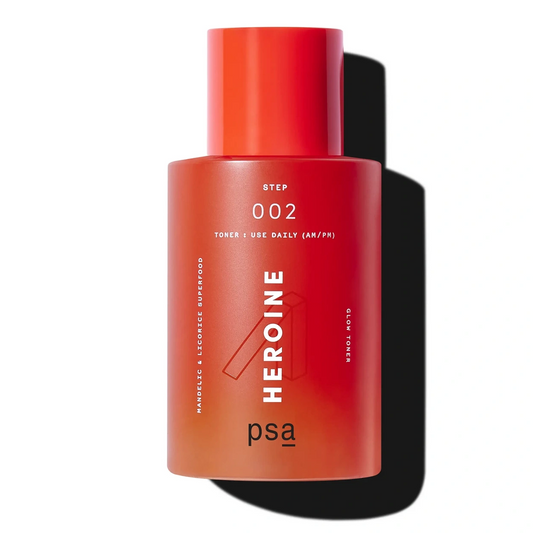
Best PSA product with mandelic acid: HEROINE (Mandelic & Licorice Superfood Glow Toner) features 6% mandelic and lactic acid with licorice root, kombucha, and centella asiatica. The combination addresses stressed skin holistically—exfoliating gently while fighting bacteria and calming inflammation.
The pH Factor (And Why It Matters for Stressed Skin)
Mandelic acid has a pH around 3.4.
Glycolic acid has a pH around 2.0.
Lower pH = more acidic = more effective at breaking down dead skin cells = potentially more irritating.
When your skin is stressed, your barrier is already compromised. Your skin's natural pH (around 4.5-5.5) is thrown off. A lower pH exfoliant can push it further out of balance, triggering more irritation and inflammation.
Mandelic acid's higher pH makes it less disruptive to already-stressed skin. You still get exfoliation, just without the added assault on your barrier.
How to Actually Use Them (Without Destroying Your Skin)
For Glycolic Acid Users:
Start with GOALS 1-2 nights per week. Apply after cleansing and misting/toning, on completely dry skin. Follow with a hydrating serum like THE MOST (Multiple Hyaluronic Acid with Kombucha) and a moisturizer.
Wait at least 20 minutes before applying other products. Increase frequency gradually over 4-6 weeks. Always use SPF in the morning.
Warning signs you're overdoing it: persistent redness, burning sensation, increased breakouts, or flaking that doesn't resolve.
For Mandelic Acid Users:
Use HEROINE toner after cleansing, morning or night. Saturate a reusable cotton pad and sweep across face, neck, and décolletage, or pour directly onto hands and pat on.
Mandelic acid is gentle enough for daily use, but if your skin is very stressed, start 3-4 times per week and increase as tolerated. Layer with serums targeting your specific concerns—VISIBLE IMPROVEMENT (Peptides & Niacinamide) for anti-aging, or LIQUID CLARITY (BHA & Bakuchiol) for additional breakout control.
Can You Use Both? (The Honest Answer)
Technically yes. Realistically? Depends on your skin's stress level.
If your skin is currently stressed, reactive, or breaking out—stick with one. Preferably mandelic acid. Adding multiple exfoliants when your barrier is already compromised is asking for trouble.
If your skin is stable and you've been using mandelic acid successfully for months, you could introduce glycolic acid slowly. Use mandelic acid in the morning, glycolic acid 1-2 nights per week. Monitor closely for signs of over-exfoliation.
But here's the thing: more exfoliation isn't always better. If mandelic acid is giving you results without irritation, why add complexity and risk?
The Real Results Timeline
Mandelic Acid:
-
Week 1-2: Smoother texture, less congestion
-
Week 3-4: Brighter complexion, reduced breakout frequency
-
Week 6-8: Visible improvement in hyperpigmentation and tone
-
Month 3+: Continued refinement, maintained clarity
Glycolic Acid:
-
Week 1-2: Immediate smoothness, possible purging or mild irritation
-
Week 4-6: Significant brightness, reduced hyperpigmentation
-
Week 8-12: Visible improvement in fine lines and texture
-
Month 3+: Continued collagen stimulation, anti-aging benefits
Both require consistency. Neither is a quick fix. But mandelic acid gives you gentler, steadier progress without the risk of setbacks from irritation.
Common Mistakes (That Make Everything Worse)
Using acids when your barrier is wrecked. If your skin is dry, flaky, burning, or reacting to everything, stop exfoliating. Focus on repair first—gentle cleansing (RESET Acai & Manuka Honey Cleanser), hydration (THE MOST), and barrier support (VISIBLE IMPROVEMENT for niacinamide's ceramide-boosting benefits).
Layering too many actives. Acids + retinol + vitamin C + more acids = irritation city. Pick your battles. If you're using an AHA at night, skip the retinol that night. Simple.
Skipping SPF. AHAs increase sun sensitivity. Period. If you're not using SPF every single day, you're undoing all your progress and potentially making hyperpigmentation worse. Non-negotiable.
Expecting acids to fix stress-triggered skin alone. If stress is breaking you out, exfoliating the breakouts won't fix the root cause. You need a holistic approach—stress management, barrier support, anti-inflammatory ingredients, and yes, gentle exfoliation.
The Stress-Skin Reset Strategy
Here's how to choose and use the right exfoliant when stress is a factor:
-
Assess your current state. Is your skin reactive, red, or sensitized right now? Start with mandelic acid.
-
Strengthen your barrier first. Use RESET cleanser (sulfate-free with manuka honey), THE MOST serum for hydration, and VISIBLE IMPROVEMENT for barrier-supporting niacinamide. Give your skin 2-4 weeks to stabilize.
-
Introduce exfoliation slowly. Start with HEROINE toner 2-3 times per week. If you tolerate it well after a month, increase frequency or consider adding GOALS 1 night per week.
-
Monitor stress levels and adjust. High-stress week? Scale back exfoliation. Vacation week with lower stress? Your skin can likely handle more. Listen to it.
-
Support with stress-fighting ingredients. Centella asiatica (in LIQUID PANACEA and HEROINE) works on the nervous system to reduce stress-induced inflammation. Kombucha (in GOALS and LIQUID PANACEA) provides antioxidants. These aren't just skincare buzzwords—they address the skin-brain connection directly.
When to See a Dermatologist
Chemical exfoliants are effective, but they're not a cure-all. See a professional if:
-
Your skin shows no improvement after 12 weeks of consistent use
-
You develop severe irritation, burning, or peeling that doesn't resolve
-
Your hyperpigmentation is darkening instead of fading
-
You suspect underlying conditions like melasma or post-inflammatory hyperpigmentation that need medical treatment
-
Your breakouts are cystic or hormonal in nature
The Bottom Line
Glycolic acid works faster and penetrates deeper—great for resilient skin that can handle intensity. Mandelic acid works gentler and fights bacteria—better for stressed, sensitive, or reactive skin.
Most people reading this article? Your skin is stressed. Start with mandelic acid. Build barrier strength. Then decide if you need more.
Because skincare isn't about using the strongest ingredients. It's about using the right ingredients for where your skin is right now. And if "right now" involves stress, late nights, and cortisol running your life—gentle, effective, and barrier-friendly will always win.
Quick Reference Guide:
Mandelic Acid (HEROINE):
-
Stressed skin ✓
-
Sensitive skin ✓
-
Breakout-prone ✓
-
First-time acid users ✓
-
Darker skin tones ✓
Glycolic Acid (GOALS):
-
Resilient skin ✓
-
Experienced acid users ✓
-
Stubborn hyperpigmentation ✓
-
Anti-aging focus ✓
-
Sun damage ✓
Your skin doesn't need more stress. Choose the exfoliant that works with your biology, not against it.
Related Posts


-
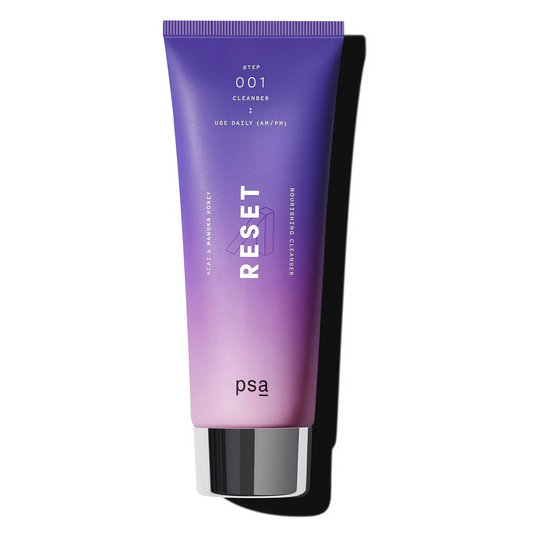 Acai & Manuka Honey Nourishing CleanserRegular price $31.00Sale price $31.00 Regular priceUnit price per
$31.00 USD -
 Awarded:
 Mandelic & Licorice Superfood Glow TonerRegular price $36.00Sale price $36.00 Regular priceUnit price per
$36.00 USD -
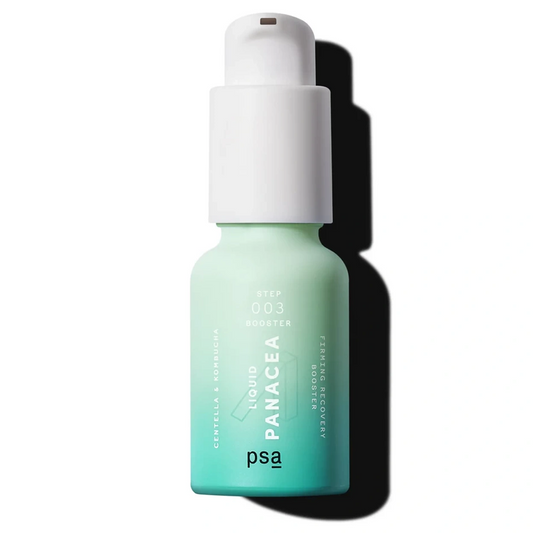 Centella & Kombucha Firming Recovery BoosterRegular price $31.00Sale price $31.00 Regular priceUnit price per
$31.00 USD -
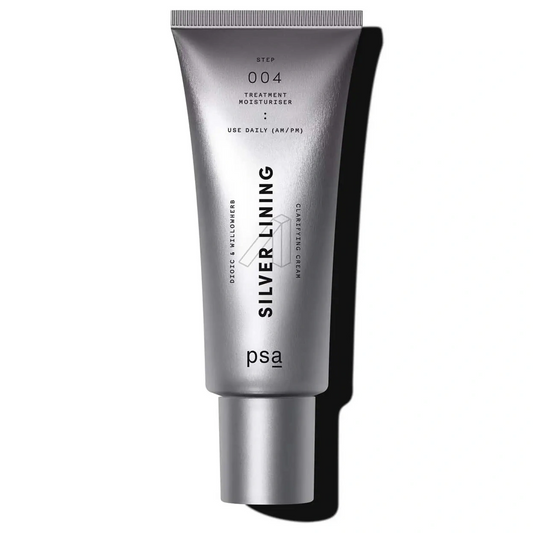 Dioic & Willowherb Clarifying CreamRegular price $38.00Sale price $38.00 Regular priceUnit price per
$38.00 USD

- Choosing a selection results in a full page refresh.
- Opens in a new window.