


You've seen it on ingredient lists, heard it praised by every dermatologist on social media, and maybe even popped a supplement or two. But what's the real deal with Vitamin E when it comes to skincare? Is it actually worth your shelf space—or just another overhyped ingredient?
Vitamin E is quietly showing up in moisturizers, serums, and oils for decades—not because it's pretty, but because it works. So let's get into what this antioxidant can actually do for your skin, why it matters, and how to use it without turning your face into an oil slick.
What Does Vitamin E Actually Do for Your Skin?
Vitamin E (aka tocopherol or tocopheryl acetate in your skincare ingredients list) is a fat-soluble antioxidant that plays defense like no other. It protects your skin from oxidative stress caused by environmental aggressors— UV rays, pollution, and your stress-fueled all-nighters. It also enhances skin barrier function and supports deep hydration by reducing transepidermal water loss.
Translation? Stronger skin, fewer dry patches, and a better buffer against irritation. It’s not here to glamorize your routine—it’s here to make it make sense.
But here's what most articles won't tell you: Vitamin E is actually a family of eight different compounds—four tocopherols (alpha, beta, gamma, delta) and four tocotrienols. Alpha-tocopherol is the form your skin recognizes and uses most effectively, which is why it's the star in most skincare formulations. Research shows it's the predominant vitamin E molecule in human skin tissue, concentrated particularly in the stratum corneum where it acts as your skin's first line of antioxidant defense.
Breaking Down the Science: Tocopherol vs. Tocopheryl Acetate
Not all Vitamin E is created equal, and if you've ever wondered why some products list "tocopherol" while others say "tocopheryl acetate," here's the breakdown:
Tocopherol is the pure, active form of Vitamin E. It's what your skin naturally produces in sebum and what works immediately as an antioxidant. It jumps right into action, neutralizing free radicals on contact. The downside? It's unstable. Heat, light, and air exposure can break it down before it even reaches your skin, which is why you'll see it more often in premium, small-batch products stored in dark glass bottles.
Tocopheryl acetate is a synthetic ester—essentially tocopherol with an acetate group attached to make it more stable and shelf-stable. This "protective jacket" means products last longer and don't oxidize as quickly. But there's a catch: your skin needs to convert tocopheryl acetate back into active tocopherol through enzymatic processes in your skin cells. This conversion happens, but it's slower and less efficient, especially in the metabolically inactive cells of your upper skin layers.
Studies suggest tocopherol is more bioavailable and provides better antioxidant protection, while tocopheryl acetate offers stability advantages for manufacturers. Neither is "bad"—they just serve different purposes. If you want maximum potency, look for products with tocopherol (often listed as "d-alpha-tocopherol" from natural sources). If you need longer shelf life or are combining it with other unstable actives, tocopheryl acetate gets the job done.
How Vitamin E Actually Protects Your Skin
Let's talk mechanisms. When UV radiation, pollution, or internal stress hit your skin, they create reactive oxygen species (ROS)—aka free radicals. These unstable molecules steal electrons from healthy skin cells, triggering a chain reaction that damages lipids, proteins, and DNA. This oxidative cascade leads to inflammation, collagen breakdown, hyperpigmentation, and accelerated aging.
Vitamin E interrupts this process by donating electrons to free radicals, neutralizing them before they can cause damage. It's particularly effective at protecting lipid-rich areas like cell membranes and the skin barrier. Research shows Vitamin E can reduce UV-induced erythema (redness), edema (swelling), and DNA damage in skin cells. One study found that topical Vitamin E reduced sunburn cell formation and decreased the markers of photoaging after UV exposure.
But here's the important part: Vitamin E works best as part of an antioxidant network. When it neutralizes a free radical, Vitamin E itself becomes oxidized. This is where other antioxidants like Vitamin C and glutathione step in to "regenerate" Vitamin E, bringing it back to its active form so it can keep protecting your skin.
Vitamin E vs. Vitamin C: Who’s the Real Skincare Hero?
Let’s say this is a competition. These two are the Beyoncé and Jay-Z of skincare: stronger together.
Vitamin C tackles hyperpigmentation, uneven tone, and dullness with its brightening, collagen-boosting energy.
Vitamin E steps in to soothe, stabilize, and moisturize—making sure your glow-up doesn’t come with a side of redness or flakiness.
Science even backs this duo: studies show Vitamin C and E combined offer better photoprotection than either alone. When you add ferulic acid to the mix (another antioxidant that stabilizes both vitamins), that protection doubles to eight times greater than baseline.
The synergy works because Vitamin C regenerates oxidized Vitamin E, while Vitamin E protects Vitamin C from degradation. They create a reinforcing antioxidant network that's far more effective than either ingredient in isolation. So don't make them fight. Let them collaborate.
The Vitamin E Power Players: Ingredient Combinations That Actually Work
Beyond Vitamin C, Vitamin E plays exceptionally well with several other actives:
Vitamin E + Retinol: Retinol can cause irritation, dryness, and increased sensitivity. Vitamin E's anti-inflammatory and barrier-supporting properties help counteract these side effects while still allowing retinol to do its cell-turnover magic. Many night treatments combine these two for this exact reason.
Vitamin E + Niacinamide: This duo is underrated. Niacinamide strengthens the barrier and reduces water loss, while Vitamin E protects lipids and soothes inflammation. Together, they create a resilient, hydrated skin barrier that's less reactive to environmental stress.
Vitamin E + Ceramides: Ceramides are the "mortar" between your skin cells, and Vitamin E protects them from oxidative degradation. This combination is particularly effective for repairing compromised barriers and reducing transepidermal water loss.
Vitamin E + Hyaluronic Acid: Hyaluronic acid draws water into the skin, while Vitamin E seals the barrier to prevent that moisture from evaporating. Think of it as hydration insurance.
The only combinations to approach with mild caution? High concentrations of AHAs/BHAs with pure Vitamin E oil can feel heavy. But in well-formulated products where Vitamin E is part of a balanced system, there's no real conflict.
Vitamin E and Photoprotection: What the Research Actually Says
Here's what Vitamin E can do for sun protection: absorb some UVB radiation (the kind that causes sunburn) and reduce your skin's inflammatory response to UV exposure. Studies show it can decrease erythema, edema, skin thickening, and wrinkle formation associated with sun damage.
Here's what it can't do: replace your sunscreen. Vitamin E absorbs limited wavelengths of UVB and does nothing against UVA radiation (the kind that penetrates deeper and causes long-term damage like premature aging and skin cancer). Multiple studies have confirmed that Vitamin E does not prevent or treat skin cancers on its own.
The best approach? Use Vitamin E as a supporting player. Apply antioxidant serums with Vitamin E (ideally with Vitamin C) in the morning before sunscreen. This combination enhances your skin's natural defense mechanisms and may help reduce oxidative damage that slips past your SPF. Think of it as backup defense, not primary protection.
Research suggests that Vitamin E levels in the skin deplete rapidly after UV exposure—by nearly 50% after sub-erythemal doses—which is why replenishing it topically makes sense as part of a comprehensive sun protection strategy.
Can Vitamin E Clear Your Skin or Is That Just Hype?
Acne-prone skin gets thrown every harsh acid and drying formula in the book. But Vitamin E is the soft reset.
Its anti-inflammatory properties help reduce swelling and redness associated with breakouts, while its moisturizing effects support barrier recovery after over-exfoliation. Bonus? It may help reduce post-inflammatory hyperpigmentation—those lingering dark marks after your pimple’s ghosted.
That said, Vitamin E isn't a standalone acne solution. It won't kill acne bacteria, unclog pores, or regulate sebum production the way salicylic acid or benzoyl peroxide does. But if your skin's begging for something that calms rather than strips, it's a strategic supporting ingredient.
The key for acne-prone skin is formulation. Pure Vitamin E oil is thick and potentially pore-clogging. But Vitamin E incorporated into lightweight, non-comedogenic formulations (like gel serums or water-based moisturizers) can deliver benefits without the breakout risk.
How Often Can You Use Vitamin E on Your Face Without Overdoing It?
Vitamin E plays well with others—but it can still be too much of a good thing if you go overboard. Slathering pure Vitamin E oil daily might clog pores for oily or acne-prone skin. But in a well-formulated product? You’re golden.
Look for concentrations between 0.5% and 1% in serums or moisturizers. Want to step it up? Use it at night when your skin’s in repair mode, ideally alongside hydrating ingredients like hyaluronic acid or barrier boosters like ceramides.
Want to step it up? Use it at night when your skin's in repair mode, ideally alongside hydrating ingredients like hyaluronic acid or barrier boosters like ceramides and panthenol. Your skin undergoes its most active regeneration during sleep, so nighttime application maximizes Vitamin E's supportive effects on that natural repair process.
Oh, and layering it under sunscreen in the morning? Chef's kiss. Vitamin E can actually help enhance UV protection when combined with your SPF and other antioxidants.
Five Major Skin Benefits of Vitamin E – Backed by Science
-
Antioxidant Shield: Neutralizes free radicals that accelerate aging and damage.
-
Moisture Retention: Strengthens the lipid barrier to keep hydration locked in.
-
Skin Repair Agent: Supports cell regeneration and healing from minor wounds or irritation.
-
Redness Reducer: Calms inflammation, making it great for sensitive or compromised skin.
-
UV Support Act: Enhances the effectiveness of your sunscreen (but doesn’t replace it).
Who Should Use Vitamin E—and Who Shouldn’t?
If you have dry, sensitive, or mature skin—Vitamin E might just be your holy grail. Its barrier-supporting, anti-inflammatory properties directly address the compromised barriers and increased reactivity common in these skin types.
If you have oily or acne-prone skin—stick to products where Vitamin E is part of a balanced formula, not the star of the show. Your sebaceous glands already produce Vitamin E naturally in sebum, so you may not need supplemental amounts. Focus on lightweight formulations and avoid pure Vitamin E oils.
If you have eczema, psoriasis, or contact dermatitis—some research suggests Vitamin E may help ease dryness, redness, and flaking, though it doesn't treat the underlying condition. It's worth trying as a supportive ingredient alongside your prescribed treatments.
Allergies are rare but real. Allergic contact dermatitis to Vitamin E has been reported, particularly with some tocopheryl acetate derivatives or oxidized forms. Always patch test new products, especially if you have a history of skin sensitivities.
Best Ways to Add Vitamin E Into Your Routine
AM Routine: Layer a Vitamin C + E treatment before sunscreen for maximum antioxidant defense. This combination primes your skin to handle environmental stressors throughout the day.
PM Routine: Use a moisturizer or facial oil with Vitamin E to support overnight repair. Your skin's natural regeneration processes peak during sleep, making nighttime the ideal window for reparative ingredients.
Post-Treatment Recovery: Soothe skin after retinol, chemical peels, or sun exposure. Vitamin E's anti-inflammatory effects can help calm irritation and support barrier recovery.
Targeted Application: If you're dealing with specific dry patches, rough texture, or healing skin, you can use a more concentrated Vitamin E product on those areas only.
How to Read Labels and Choose Quality Products
When shopping for Vitamin E skincare, here's what to look for:
Check the form: "Tocopherol" or "d-alpha-tocopherol" (natural source) offers better bioavailability. "Tocopheryl acetate" or "dl-alpha-tocopherol" (synthetic) offers stability. Both work, but understand the tradeoff.
Look at concentration: Products rarely list exact percentages, but Vitamin E should appear in the first third of the ingredient list for meaningful amounts. If it's near the end, it's likely there as a preservative, not an active.
Check for synergistic ingredients: Vitamin C (ascorbic acid or derivatives), ferulic acid, glutathione, and other antioxidants make Vitamin E more effective.
Consider packaging: Vitamin E (especially tocopherol) degrades with light and air exposure. Look for opaque or dark glass bottles, airless pumps, or sealed capsules rather than clear jars.
Storage matters: Keep Vitamin E products away from heat and direct sunlight. If your serum changes color (turns yellow or brown), it's oxidized and less effective.
For example, formulations that combine Vitamin E with other barrier-supporting ingredients like bisabolol, panthenol, or niacinamide can deliver comprehensive skin benefits while maintaining stability.
Common Vitamin E Mistakes (And How to Avoid Them)
Mistake #1: Using pure Vitamin E oil on acne-prone skin Pure oil is occlusive and can trap debris in pores. Choose gel or water-based formulations instead, or use Vitamin E as part of a balanced moisturizer.
Mistake #2: Skipping sunscreen because you used Vitamin E Vitamin E enhances photoprotection but doesn't provide SPF. Always use broad-spectrum sunscreen as your primary UV defense.
Mistake #3: Expecting overnight miracles Antioxidants work cumulatively. You'll see immediate hydration, but benefits like improved texture, reduced inflammation, and better photoprotection build over weeks of consistent use.
Mistake #4: Ignoring product stability If your Vitamin E serum smells rancid or looks discolored, it's oxidized. Oxidized Vitamin E can potentially irritate skin rather than protect it.
Mistake #5: Overloading with pure oil More isn't always better. A few drops of concentrated product or a well-formulated serum at 0.5-1% is more effective than slathering on straight oil.
What to Expect: A Realistic Timeline
Week 1-2: Immediate effects include improved hydration and softer skin texture. Your barrier feels more comfortable, especially if it was previously compromised.
Week 4-6: Reduced reactivity to environmental stressors. Skin may appear calmer with less redness and fewer inflammatory flare-ups.
Week 8-12: With consistent use alongside other actives, you may notice more even skin tone, improved resilience against pollution and UV stress, and better overall skin quality. Fine lines may appear slightly softened due to improved hydration.
Remember: Vitamin E is a protective and supportive ingredient, not a dramatic transformer. Its benefits are cumulative and work best as part of a comprehensive routine.
Final Thoughts
Vitamin E is a fundamental skincare ingredient. The best skincare isn't about novelty—it's about ingredients that deliver, day in and day out. And Vitamin E isn't here to steal the spotlight. It's here to make everything else in your routine perform better.
It strengthens your barrier. It protects against oxidative stress. It helps other actives work more effectively. It supports your skin's natural repair processes. And it does all of this without drama, without fanfare, without asking for credit.
If you're looking to strengthen, soothe, and seriously support your skin, this is your sign: make room for Vitamin E. And don't just take our word for it—let your face do the talking.
Related Posts


-
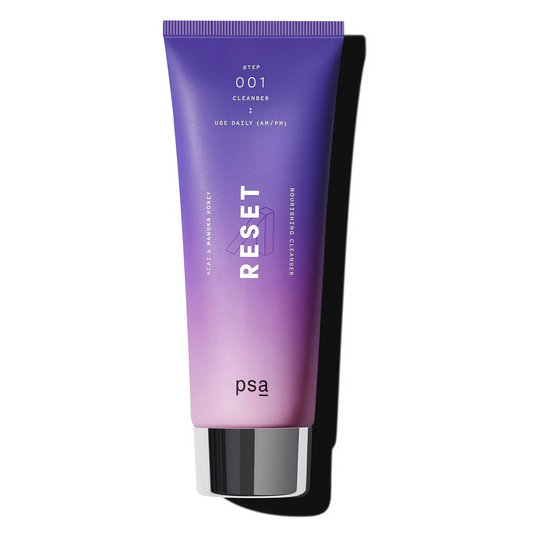 Acai & Manuka Honey Nourishing CleanserRegular price $31.00Sale price $31.00 Regular priceUnit price per
$31.00 USD -
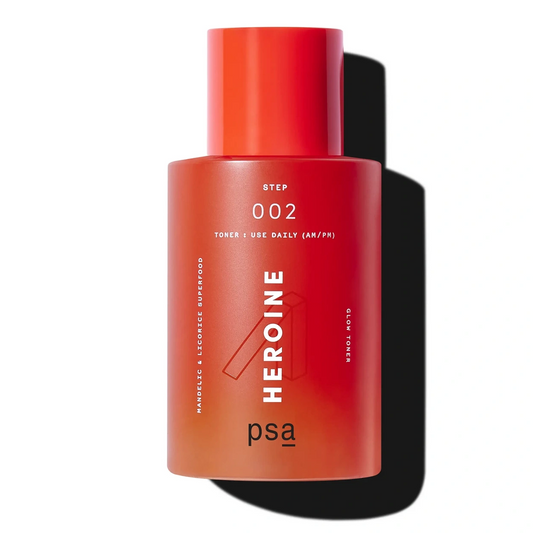 Awarded:
 Mandelic & Licorice Superfood Glow TonerRegular price $36.00Sale price $36.00 Regular priceUnit price per
$36.00 USD -
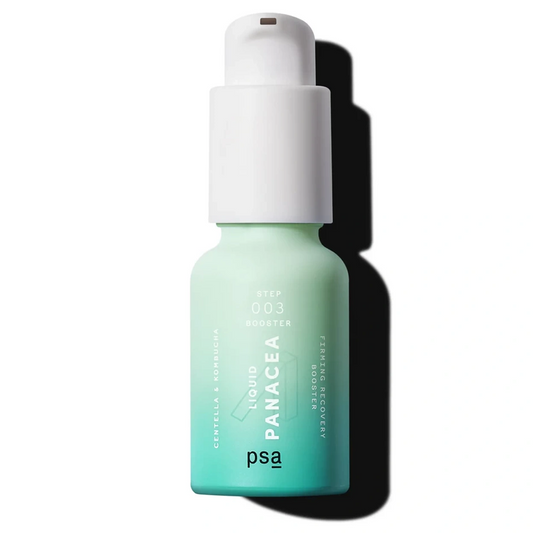 Centella & Kombucha Firming Recovery BoosterRegular price $31.00Sale price $31.00 Regular priceUnit price per
$31.00 USD -
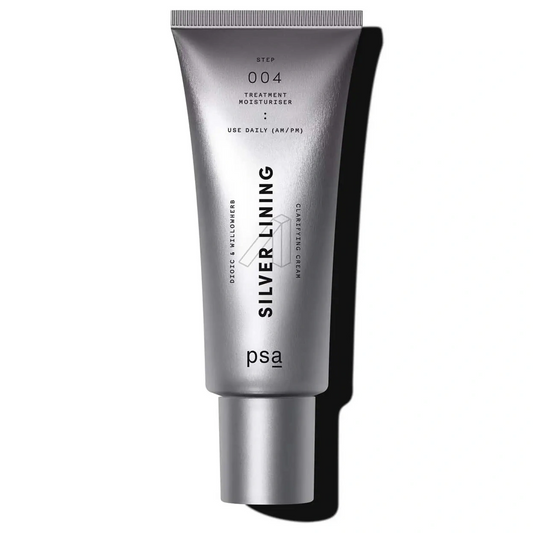 Dioic & Willowherb Clarifying CreamRegular price $38.00Sale price $38.00 Regular priceUnit price per
$38.00 USD

- Choosing a selection results in a full page refresh.
- Opens in a new window.