


Your skin doesn't clock out when you do. In fact, it kicks into overdrive.
While you're scrolling through dreams, your skin is running its most productive shift of the day—cell division peaks around midnight, DNA repair mechanisms activate, collagen production surges, and your skin barrier does its deepest work repairing damage from UV exposure, pollution, and stress. Research shows that cellular regeneration in the epidermis is up to three times higher at night than during the day.
But here's the catch: your nighttime routine needs to support this natural repair cycle, not work against it. The right combination of ingredients can amplify your skin's overnight regeneration. The wrong approach? You're just smearing products on your face while your skin does its thing anyway.
Let's talk about what actually happens when your skin goes off the clock—and how to build a nighttime routine that works as hard as your skin does.
The Science: Why Your Skin Works the Night Shift
Your skin operates on a 24-hour circadian rhythm, just like the rest of your body. This isn't marketing fluff—it's established biology. The circadian clock in skin cells regulates everything from cell division to barrier function to immune response.
Here's what happens after dark:
Cell Division Peaks at Midnight: The creation of new skin cells reaches its maximum around 11 PM to 1 AM. This is when stem cells in the basal layer of your epidermis are most active, creating fresh cells that will eventually migrate to the surface.
DNA Repair Mechanisms Activate: During the day, UV exposure continues to damage skin DNA for up to three hours after sun exposure through oxidative stress. At night, your skin's repair enzymes work to correct this damage. DNA repair activity peaks during nighttime hours when melatonin production is highest.
Barrier Permeability Increases: Your outermost layer of skin becomes more porous at night. This has two implications: you lose more water (transepidermal water loss increases), but active ingredients also penetrate more effectively. This is why nighttime is ideal for treatment products.
Collagen Synthesis Ramps Up: Growth hormone production triggers during deep sleep, stimulating fibroblasts to produce collagen. This process begins roughly 90 minutes after you fall asleep and continues in cycles throughout the night.
Inflammatory Response Shifts: Cortisol levels drop at night, reducing inflammation. Meanwhile, your skin's immune function recalibrates, making nighttime ideal for calming, reparative ingredients.
The bottom line? Your skin is biologically primed for repair between 10 PM and 2 AM. What you put on your face during this window matters more than you think.
The Logic: Why This Three-Step Routine Makes Sense
Let's break down a nighttime routine that actually supports your skin's circadian repair cycle. We're talking about three strategic steps: deep cleansing to reset, targeted treatment to repair, and barrier protection to seal everything in.
Step 1: Deep Clean to Reset – Remove the day's buildup without stripping your skin, so the repair cycle can begin from a clean slate.
Step 2: Targeted Treatment to Repair – Deliver concentrated actives that support cellular regeneration, collagen synthesis, and barrier repair.
Step 3: Barrier Protection to Seal – Lock in moisture, prevent transepidermal water loss, and create the ideal environment for overnight repair.
This is strategic layering that works with your skin's natural overnight processes.
Step 1: The Foundation – Cleanse to Reset
Your nighttime routine starts the moment you wash your face. Not with a harsh, stripping cleanser that leaves your skin tight and uncomfortable—that signals to your barrier that it needs to go into defense mode, not repair mode.
You need a cleanser that removes the day's accumulation (makeup, SPF, pollution, sebum, dead cells) while simultaneously nourishing your skin so it enters the night ready to regenerate.
What Your Cleanser Needs to Do:
-
Remove oil-based debris (makeup, SPF, sebum) and water-based impurities (sweat, environmental pollutants)
-
Maintain your skin's natural pH (around 4.7-5.5) so you don't disrupt barrier function
-
Deliver moisture and nutrients, not strip them away
-
Prep skin to absorb whatever comes next
The Ingredients That Matter:
Manuka Honey works as a humectant, drawing moisture into skin while you cleanse. But it's not just hydration—Manuka Honey UMF 17+ has methylglyoxal, a compound with antimicrobial properties that helps maintain a healthy skin microbiome. Your skin's microbiome (the beneficial bacteria that live on your skin) plays a crucial role in barrier function and immune response. Disrupting it with harsh cleansers can impair overnight repair.
Acai and Pomegranate deliver anthocyanins and polyphenols—antioxidant compounds that neutralize free radicals lingering from daytime oxidative stress. Remember how UV damage continues in the dark for hours after sun exposure? These antioxidants interrupt that process.
Grapeseed Oil is rich in linoleic acid, an omega-6 fatty acid that's essential for barrier lipid synthesis. When you cleanse with oils that mimic your skin's natural lipid profile, you're supporting rather than stripping the barrier. This matters because your barrier will lose more water overnight anyway—no need to start from a compromised position.
Yogurt (specifically lactic acid and probiotic cultures) gently exfoliates while supporting the skin's acid mantle. The lactic acid bacteria in yogurt also act as postbiotics, beneficial compounds that support skin barrier function and calm inflammation.
This type of cleanser doesn't just remove—it RESETs. You're starting your overnight repair cycle with hydrated, nourished, balanced skin that's ready to absorb treatment products.
Step 2: The Treatment – Repair While You Sleep
Once your skin is clean and receptive, it's time for the heavy lifting. This is where you deliver concentrated actives that work synergistically with your skin's natural overnight repair mechanisms.
Your treatment step needs to hit three targets simultaneously:
-
Cellular regeneration – support the creation of new, healthy skin cells
-
Collagen synthesis – stimulate fibroblasts to produce structural proteins
-
Barrier repair – strengthen lipid layers and reduce water loss
Here's where ingredient science gets interesting. You want a formula that combines multiple mechanisms of action so you're supporting every aspect of overnight repair.
10% Niacinamide: The Barrier Builder
Niacinamide (vitamin B3) is one of the few ingredients that improves virtually every marker of skin health. Here's what it does at night:
-
Ceramide Synthesis: Niacinamide upregulates serine palmitoyl transferase, the enzyme responsible for producing ceramides. Since ceramides make up over 50% of your skin's barrier lipids, this is crucial for preventing transepidermal water loss overnight.
-
DNA Repair Support: Niacinamide enhances DNA repair mechanisms in keratinocytes damaged by UV radiation—exactly what your skin is trying to do at night anyway.
-
Inflammation Reduction: Niacinamide calms the inflammatory response that can interfere with repair processes.
-
Hyperpigmentation Prevention: Niacinamide prevents post-inflammatory hyperpigmentation that follows breakouts or irritation.
At 10% concentration, you're getting clinical-strength benefits. Studies show 5% is effective, but 10% provides significantly greater improvements in barrier function and pigmentation reduction.
10% Peptide Complex: The Regeneration Signal
Peptides are short chains of amino acids that act as signaling molecules. When they penetrate your skin, they tell fibroblasts: "Time to make collagen. Time to make elastin. Time to repair."
Peptides work best at night because they require time and cellular activity to exert their effects. Your skin is already in growth and repair mode—peptides just make the process more efficient.
Beta Glucan: The Barrier Soother
Beta glucan is a polysaccharide derived from oats or yeast that does double duty:
-
Barrier Support: It forms a protective film on skin's surface, reducing transepidermal water loss during those vulnerable overnight hours.
-
Immune Modulation: Beta glucan activates immune cells in your epidermis and stimulates wound healing responses. This is particularly useful if your barrier was compromised during the day.
-
Deep Hydration: Beta glucan penetrates to the deeper layers of the epidermis, delivering moisture where cell division is happening.
Panthenol (Pro-Vitamin B5): The Hydration Lock
Panthenol converts to pantothenic acid in your skin, where it:
-
Binds water molecules in the deeper layers of the stratum corneum
-
Supports barrier repair by improving lipid synthesis
-
Reduces inflammation and accelerates wound healing
Resveratrol Ferment and Kombucha: The Antioxidant Network
These fermented antioxidants do more than neutralize free radicals. Fermentation breaks down these compounds into smaller molecules that penetrate better and creates additional postbiotic compounds that support the skin microbiome.
Resveratrol activates sirtuins—proteins that regulate cellular aging and DNA repair. At night, when DNA repair is already active, resveratrol amplifies the process.
Kombucha (fermented black tea) contains glucuronic acid, which supports detoxification processes in skin cells, plus probiotics that benefit the skin microbiome.
Additional Powerhouses:
-
CoQ10 (Ubiquinone): An antioxidant that supports mitochondrial function in skin cells. Your cells need energy (ATP) to repair themselves—CoQ10 helps them produce it.
-
Glutathione: The master antioxidant that regenerates other antioxidants like vitamin C and E, keeping the antioxidant network active all night.
-
Ergothioneine: A rare amino acid with powerful antioxidant properties and the ability to protect mitochondrial DNA from oxidative damage.
Why This Combination Works:
You're not just throwing random actives at your skin. This formula creates a synergistic repair environment:
-
Niacinamide strengthens the barrier and signals DNA repair
-
Peptides stimulate collagen synthesis while cells are dividing
-
Beta glucan and panthenol lock in hydration during high water loss
-
Antioxidants neutralize ongoing oxidative damage and support cellular repair
-
CoQ10 and glutathione provide the cellular energy needed for all these processes
Each ingredient amplifies the others. Niacinamide makes peptides more effective by improving barrier function so they penetrate better. Antioxidants protect the collagen that peptides are signaling your skin to produce. Beta glucan creates the hydrated environment where all these processes work optimally.
Step 3: The Seal – Protect the Overnight Repair
Your final step isn't just about adding moisture—it's about creating the optimal microenvironment for all that cellular repair to happen undisturbed.
Your stratum corneum is more permeable at night, which means transepidermal water loss increases. If you don't seal in hydration and create a protective barrier, you're letting all that moisture evaporate while your skin is trying to rebuild itself.
But your overnight moisturizer needs to do more than just sit on top of your skin. It needs to deliver targeted actives that continue the repair work while providing occlusion.
What Your Night Moisturizer Must Do:
-
Prevent water loss without suffocating skin
-
Deliver additional reparative ingredients
-
Support barrier lipid synthesis
-
Calm any lingering inflammation
-
Create an environment where all previous layers can work effectively
The Ingredients That Complete the Cycle:
4% Dioic Acid and Willowherb Complex: The Overnight Clarifiers
Dioic acid (octadecenedioic acid) is a multi-functional active that works particularly well at night:
-
Sebum Regulation: It downregulates 5-alpha reductase, the enzyme that converts testosterone to DHT (the hormone that triggers sebum production). While you sleep, it's helping prevent the excess oil that can clog pores and trigger breakouts.
-
Anti-Inflammatory: Reduces inflammatory cytokines that can interfere with overnight repair.
-
Skin Brightening: Inhibits tyrosinase activity, preventing hyperpigmentation formation overnight.
Willowherb (Epilobium angustifolium) extract is one of the most potent natural anti-irritants. It's particularly rich in oenothein B, a polyphenol that inhibits inflammatory enzymes. This matters at night because any inflammation—even subclinical inflammation you can't see—impairs collagen synthesis and cellular regeneration.
1% Zinc PCA: The Microbiome Manager
Zinc PCA combines zinc (an essential mineral for skin function) with pyrrolidone carboxylic acid (a natural moisturizing factor found in your stratum corneum).
Here's why it matters overnight:
-
Antimicrobial: Helps maintain a balanced skin microbiome by controlling potentially pathogenic bacteria without disrupting beneficial species
-
Sebum Control: Regulates oil production through inhibition of 5-alpha reductase
-
Wound Healing: Zinc is essential for DNA synthesis and cell division—the exact processes happening at peak intensity around midnight
Vitamin C : The Overnight Brightener
This stable form of vitamin C works quietly while you sleep:
-
Collagen Cofactor: Vitamin C is essential for collagen synthesis. Your peptides signal fibroblasts to make collagen, but they can't complete the process without vitamin C as a cofactor.
-
Melanin Inhibition: Prevents tyrosinase activity, stopping hyperpigmentation before it forms
-
Antioxidant: Continues neutralizing oxidative damage overnight
Colloidal Silver: The Antimicrobial Shield
Colloidal silver has natural antimicrobial properties that help keep the skin surface balanced overnight without disrupting the beneficial microbiome. While you sleep, it's creating an environment where repair can happen without bacterial interference.
Lactobacillus Ferment: The Probiotic Boost
Probiotics and postbiotics support the skin barrier in multiple ways:
-
Barrier Strengthening: Produce metabolites that enhance tight junction proteins between keratinocytes
-
Immune Modulation: Help calibrate the skin's immune response, reducing unnecessary inflammation
-
pH Maintenance: Help maintain the skin's acid mantle, which is crucial for barrier function and microbiome balance
Centella Asiatica and Licorice Root: The Calming Duo
Centella Asiatica contains madecassoside and asiaticoside—triterpenoids that:
-
Stimulate collagen synthesis (complementing your peptides)
-
Reduce inflammation
-
Accelerate wound healing by promoting fibroblast proliferation
Licorice Root (Glycyrrhiza glabra) contains glabridin, that’s preventing post-inflammatory hyperpigmentation and calming any reactivity while you sleep.
Why This Final Layer is Critical:
This isn't just a moisturizer—it's a targeted treatment that:
-
Continues the repair work with zinc, vitamin C, and Centella supporting ongoing collagen synthesis
-
Manages sebum and microbiome to prevent overnight issues that could disrupt your skin's morning appearance
-
Prevents water loss with occlusive and humectant ingredients that seal in everything you've applied
-
Reduces inflammation that could impair the cellular repair happening beneath the surface
The combination of anti-inflammatory, antimicrobial, and barrier-supporting ingredients creates the ideal microenvironment for overnight regeneration.
The Synergy: Why These Three Steps Work Together
Here's where science gets really interesting. Each step isn't just doing its own thing—they're working as a coordinated system that amplifies your skin's natural overnight repair.
Step 1 (Cleanse) sets the stage: You've removed barriers to absorption, delivered initial hydration and antioxidants, maintained pH balance, and supported the microbiome. Your skin is in receive mode.
Step 2 (Serum) delivers the core treatment: Niacinamide strengthens the barrier and supports DNA repair. Peptides signal collagen and elastin synthesis. Antioxidants protect ongoing repair processes. Beta glucan and panthenol provide the hydration necessary for cell division and protein synthesis.
Step 3 (Moisturizer) seals and continues: Additional actives (zinc, vitamin C, dioic acid) continue the treatment work. Anti-inflammatory compounds (willowherb, Centella, licorice root) prevent interference with repair. Occlusive and humectant ingredients prevent water loss and create the optimal environment for everything beneath to work.
The Ingredient Overlap is Intentional:
Notice how niacinamide appears in multiple steps? This isn't redundant—it's strategic layering that provides sustained barrier support throughout the night.
Notice how antioxidants appear at every level? Your skin faces oxidative damage even while you sleep (from ongoing UV-induced reactions, metabolism, immune processes). Maintaining antioxidant protection throughout the overnight hours is crucial.
Notice how both the serum and moisturizer support collagen synthesis? Peptides signal the process, vitamin C provides the cofactor needed to complete it, and Centella provides additional stimulation. You're hitting collagen production from multiple angles during the exact window when it's naturally elevated.
What to Expect: A Realistic Overnight Timeline
You're not waking up with completely different skin after one night. But here's what's actually happening while you sleep, and when you'll start seeing results.
During the First Night (0-8 hours):
-
Active ingredients penetrate more effectively due to increased barrier permeability
-
Antioxidants begin neutralizing lingering oxidative damage
-
Cell division peaks around midnight
-
DNA repair mechanisms activate during deep sleep
-
Collagen synthesis ramps up 90 minutes after falling asleep
-
Your barrier starts rebuilding lipid layers
After One Week (7 nights):
-
Skin feels more hydrated and plump in the morning
-
Barrier function improves (less sensitivity, better moisture retention)
-
Inflammation reduces (less redness, fewer reactive responses)
-
Texture begins to smooth as cell turnover normalizes
After Four Weeks (28 nights):
-
Visible improvement in skin texture and tone
-
Fine lines appear softer due to improved hydration and collagen support
-
Hyperpigmentation begins to fade
-
Pore appearance diminishes as sebum regulation improves
-
Breakout frequency decreases
-
Overall skin resilience increases
After Twelve Weeks (84 nights):
-
Significant improvement in collagen-related concerns (firmness, elasticity)
-
Marked reduction in hyperpigmentation
-
Sustained improvements in barrier function
-
Visible reduction in fine lines
-
More even skin tone and texture
-
Stronger, less reactive skin
The Key Factor: Consistency
Your skin's circadian repair cycle happens every single night whether you do anything about it or not. But when you consistently support that cycle with the right ingredients, the cumulative effects compound. Think of it like compounding interest—each night builds on the previous night's work.
Common Mistakes That Sabotage Overnight Repair
Even with the right products, you can undermine your skin's overnight repair cycle. Here's what to avoid:
Mistake #1: Overloading with too many actives - More isn't better. If you're using strong exfoliating acids (high-percentage retinol, strong AHAs), you might compromise barrier function, which then forces your skin into defense mode rather than repair mode. The routine outlined above is designed to support, not disrupt.
Mistake #2: Skipping SPF the next morning - All this overnight repair is meaningless if you're not protecting your skin during the day. Many of these ingredients (especially niacinamide and vitamin C) make sun protection even more critical. Always follow your nighttime routine with broad-spectrum SPF in the morning.
Mistake #3: Using products that disrupt your circadian rhythm - Heavy fragrances, essential oils, and irritating ingredients can trigger inflammatory responses that interfere with repair. Stick to formulations designed to work with, not against, your skin's natural processes.
Mistake #4: Inadequate sleep - This seems obvious, but it bears repeating: if you're only getting 4-5 hours of sleep, your skin doesn't have enough time in the deep sleep stages where growth hormone production and cellular repair peak. The best skincare routine can't compensate for chronic sleep deprivation.
Mistake #5: Applying products to bone-dry skin - Many actives penetrate better when skin is slightly damp. After cleansing, pat your face semi-dry (not completely dry) before applying your serum. This helps with absorption and prevents the tight, uncomfortable feeling that can come from applying concentrated actives to parched skin.
Mistake #6: Expecting overnight miracles - Your skin's repair cycle is powerful, but it's gradual. Give your routine at least four weeks before evaluating results. The cellular changes are happening from night one, but visible improvements take time to surface.
Final Thoughts: Work Smarter, Not Harder
Your skin already knows how to repair itself. It's been doing it every night since you were born. The circadian repair cycle—cell division, DNA repair, collagen synthesis, barrier regeneration—happens automatically when you sleep.
However, the environmental damage, aging, stress, and lifestyle factors can impair this natural process. The point of a nighttime routine isn't to force your skin to do something it wouldn't do otherwise. It's to remove obstacles, provide raw materials, and amplify processes that are already happening.
The three-step routine outlined here—deep cleansing, targeted treatment, barrier protection—isn't arbitrary. It's designed to work in concert with your skin's biology:
Cleanse to remove barriers and reset the foundation
Treat to deliver concentrated actives during peak repair windows
Seal to prevent water loss and create optimal conditions for overnight work
The ingredients aren't random either. Each one supports specific aspects of the circadian repair cycle:
-
Niacinamide and peptides for cellular regeneration and collagen synthesis
-
Antioxidants for ongoing protection against oxidative damage
-
Barrier-supporting ingredients for hydration and lipid repair
-
Anti-inflammatory compounds to prevent interference with repair mechanisms
This isn't about following trends or chasing the latest miracle ingredient. It's about understanding how your skin works and giving it what it needs when it needs it most.
Your skin works the night shift whether you help it or not. You might as well clock in with products that actually make a difference.
Related Posts


-
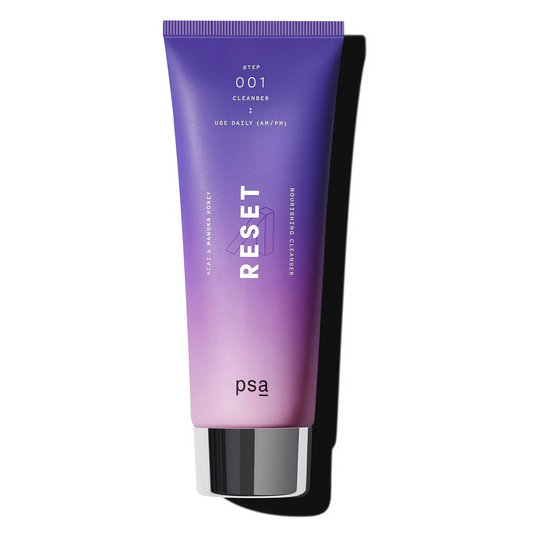 Acai & Manuka Honey Nourishing CleanserRegular price $31.00Sale price $31.00 Regular priceUnit price per
$31.00 USD -
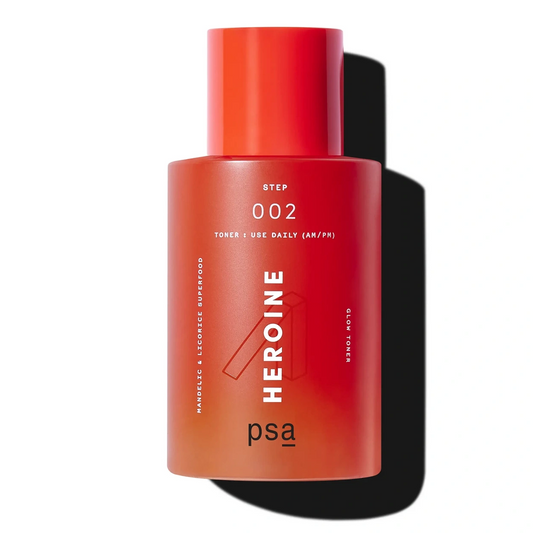 Awarded:
 Mandelic & Licorice Superfood Glow TonerRegular price $36.00Sale price $36.00 Regular priceUnit price per
$36.00 USD -
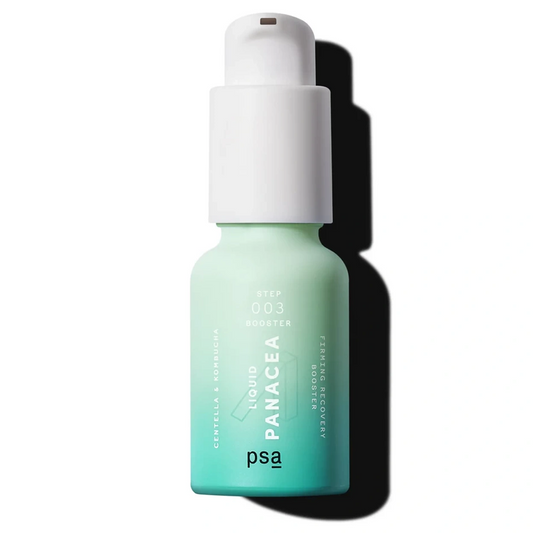 Centella & Kombucha Firming Recovery BoosterRegular price $31.00Sale price $31.00 Regular priceUnit price per
$31.00 USD -
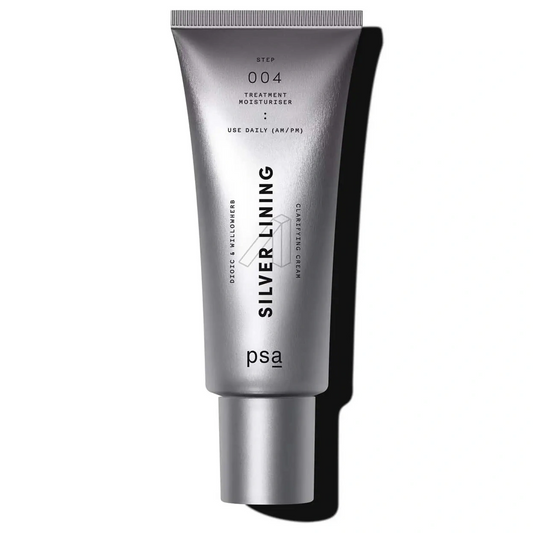 Dioic & Willowherb Clarifying CreamRegular price $38.00Sale price $38.00 Regular priceUnit price per
$38.00 USD

- Choosing a selection results in a full page refresh.
- Opens in a new window.