


If you have ever tried a vitamin C serum that turned brown, stung your face, or just sat there doing absolutely nothing, you are not alone. Traditional vitamin C (L-ascorbic acid) has a reputation problem. It is often unstable, requires a very acidic pH that can irritate sensitive skin, and oxidizes faster than you can say "glow up."
On the other hand, tetrahexyldecyl ascorbate—the vitamin C derivative that solves all these problems while delivering the same brightening, firming, antioxidant benefits you actually want.
Think of it as vitamin C that went to finishing school. Same powerful results, but way better behaved.
The Problem With Traditional Vitamin C
L-ascorbic acid (pure vitamin C) is incredibly effective when it works. The problem is, it is incredibly fussy about working properly.
Here is what makes traditional vitamin C difficult:
It oxidizes immediately - The moment L-ascorbic acid hits air, light, or water, it starts breaking down. That brown, orange color you see in old vitamin C serums? That is oxidation, and oxidized vitamin C does not work.
It requires very low pH - L-ascorbic acid only penetrates skin at a pH of 3.5 or lower. That is roughly as acidic as orange juice. For reference, your skin's natural pH is around 4.5-5.5. This pH gap means traditional vitamin C formulas can cause stinging, redness, and irritation, especially on sensitive skin.
It struggles to penetrate - L-ascorbic acid is water-soluble and hydrophilic. Your skin barrier is made of lipids (fats). Water-soluble ingredients have a hard time getting through that fatty barrier to where they need to work.
It does not play well with others - The low pH requirement means you cannot easily layer L-ascorbic acid with other actives like retinol without causing major irritation.
All of these issues led chemists to develop vitamin C derivatives—more stable forms that convert to active vitamin C once they are in your skin.
What Makes Tetrahexyldecyl Ascorbate Different
Tetrahexyldecyl ascorbate (let's call it THD for sanity's sake) is an oil-soluble vitamin C ester. It is vitamin C that has been chemically bonded to fatty acids, making it lipid-loving instead of water-loving.
This simple change solves nearly all of traditional vitamin C's problems.
It is remarkably stable - THD resists oxidation from air, light, and heat. It can be formulated at a neutral pH (between 4 and 6.5), which means it does not degrade in the bottle. Your serum stays potent from first use to last drop.
It actually penetrates your skin - Because THD is oil-soluble, it moves through your skin's lipid barrier much more easily than water-soluble forms. It gets deeper into the skin layers where it can actually do its job.
Once it penetrates, enzymes in your skin convert it to L-ascorbic acid—the active form your skin uses. So you get all the benefits of pure vitamin C, but with much better delivery.
It works at skin-friendly pH - THD can be formulated at pH levels that match your skin's natural pH. This means no stinging, no irritation, and a much happier skin barrier.
It layers beautifully with other actives - Because it does not require a super-low pH, THD plays well with niacinamide, peptides, hyaluronic acid, and even retinol. You can actually build a complete routine without ingredient conflicts.
What THD Actually Does For Your Skin
So we have established that THD is more stable and better-behaved than traditional vitamin C. But does it actually work?
Research says yes. Here is what THD delivers:
Brightens and evens skin tone - THD inhibits the enzyme responsible for melanin production. The result? Faded dark spots, more even tone, and that overall luminous quality people call "glow."
Boosts collagen production - Vitamin C is a required cofactor for collagen synthesis. Your body literally cannot make collagen without it. That means that vitamin C helps improve firmness, elasticity, and the appearance of fine lines.
Provides antioxidant protection - THD neutralizes free radicals generated by UV exposure, pollution, and daily oxidative stress. While it does not replace sunscreen, it works synergistically with SPF to provide an extra layer of defense against photoaging.
Reduces inflammation - THD also has anti-inflammatory properties. It helps calm redness and irritation while supporting overall skin health. This makes it particularly valuable for sensitive or reactive skin that cannot tolerate traditional vitamin C.
Hydrates and supports barrier function - Because THD integrates into your skin's lipid matrix, it actually helps strengthen barrier function and reduce transepidermal water loss. Your skin holds onto moisture better, looking plumper and healthier.
The Science-Backed Sweet Spot: Concentrations That Work
THD is effective at concentrations between 1% and 30%, with most formulations falling between 7% and 20%.
Lower concentrations (1-7%) provide gentle daily antioxidant protection and subtle brightening. They are great for beginners or those with very sensitive skin.
Mid-range concentrations (10-17%) offer balanced efficacy with minimal irritation. It shows measurable improvements in brightness, tone, and texture at these levels.
Higher concentrations (20-30%) deliver maximum results for more advanced users targeting significant photodamage or hyperpigmentation.
The key is consistency. THD works cumulatively, meaning results build over weeks and months of regular use. Most people see noticeable improvements in brightness and texture within 6-8 weeks, with continued improvement over 3-6 months.
Who Should Use Tetrahexyldecyl Ascorbate
The short answer? Almost everyone.
Sensitive skin that cannot tolerate L-ascorbic acid - If traditional vitamin C serums cause redness, stinging, or irritation, THD offers all the benefits without the drama. The neutral pH and gentle nature make it ideal for reactive skin.
Anyone dealing with dull, tired-looking skin - THD brightens and revitalizes without harsh exfoliation. It is particularly effective for that overall lackluster quality that comes from stress, poor sleep, or environmental damage.
People with hyperpigmentation or dark spots - Whether you are dealing with sun damage, post-acne marks, or melasma, THD helps fade discoloration over time.
Those wanting anti-aging benefits - By supporting collagen production and providing antioxidant protection, THD addresses multiple signs of aging: fine lines, loss of firmness, and cumulative sun damage.
Anyone who wants vitamin C but hates complicated routines - Because THD layers easily with other actives and does not require precise pH considerations, it fits seamlessly into any routine. Use it in the morning, in your nighttime routine, or both—it just works.
How To Use THD In Your Routine
THD is remarkably flexible, but here is how to get the most out of it:
Timing: Morning, night, or both - Unlike some vitamin C forms that are best used in the morning, THD works beautifully any time. Many people use it in the morning under SPF for antioxidant protection, but it is equally effective at night when your skin is in repair mode.
Application - Apply a few drops to clean, damp skin after cleansing and toning. The slight moisture helps it spread and absorb. Pat it in gently—you do not need to rub aggressively.
Layering - Because THD is oil-soluble, it works well in oil-based formulations or as a booster you can add to your other products. Some people mix a few drops into their moisturizer for an all-in-one step.
If you are layering multiple serums, apply water-based serums first, then oil-based products like THD. Follow with moisturizer and SPF (in the morning).
Mixing with other actives THD pairs beautifully with:
-
Niacinamide (for enhanced brightening and barrier support)
-
Hyaluronic acid (for hydration)
-
Peptides (for anti-aging synergy)
-
Retinol (use THD in morning, retinol at night for sensitive skin, or layer them carefully if your skin tolerates it)
What to avoid - THD is generally compatible with most ingredients. However, be cautious with very high concentrations of direct acids (like glycolic or salicylic acid) in the same routine, as the combination might be too much for sensitive skin.
Real Results: What To Expect
Let's set realistic expectations. THD is not magic. It will not erase deep wrinkles or decades of sun damage overnight.
What it will do is create gradual, cumulative improvements that build over time.
Week 1-2: Hydration and smoothness - Your skin feels more hydrated and looks smoother. The texture improves and makeup applies better.
Week 3-6: Brightness and radiance - You start noticing your complexion looks more awake and luminous. The dull, tired quality fades. People might ask if you got more sleep.
Week 6-12: Tone evening and spot fading - Dark spots begin to lighten. Overall tone becomes more even. The difference is noticeable in photos.
3-6 months: Visible firming and texture improvement - Fine lines appear softer. Skin looks firmer and more resilient. The cumulative antioxidant protection shows up as healthier, more vibrant skin.
The key word here is consistent. Daily use yields the best results.
The THD Advantage: Stable, Effective, Gentle
Here is why THD has become the go-to vitamin C for formulators who actually care about results:
-
It stays potent. No brown bottles, no oxidation anxiety, no throwing away half-used serums.
-
It penetrates deeply. Oil-soluble means it gets where it needs to go.
-
It works for sensitive skin. Neutral pH means no irritation.
-
It layers with everything. Build the routine you want without ingredient conflicts.
-
It delivers measurable results. Clinical studies back up the brightening, firming, and protective benefits.
Some formulations take this even further by pairing THD with synergistic ingredients. For example, combining THD with antioxidants like vitamin E (tocopherol) and glutathione creates a powerhouse complex that brightens, protects, and repairs simultaneously. Add calming ferments like radish root ferment and bisabolol, and you have a formula that works for even the most reactive skin.
PSA’s LIQUID DEW booster demonstrate this approach—17% THD paired with orange extract, tocopherol, and antioxidant complex to recharge dull, stressed skin without irritation. The oil-based texture absorbs quickly, layers well with other products, and delivers that revived, glowing result without greasiness or sensitivity.
Final Thoughts
If you have been frustrated with traditional vitamin C or just starting your vitamin C journey, tetrahexyldecyl ascorbate deserves your attention.
It offers all the brightening, firming, antioxidant benefits you want from vitamin C, but in a stable, gentle, deeply penetrating form that actually works with your skin instead of against it.
No more brown bottles. No more stinging. No more wondering if it is even doing anything.
Just consistent, visible results that build over time—brighter tone, smoother texture, stronger barrier, and that healthy glow that comes from truly well-supported skin.
Your skin does not need to suffer for results. THD proves that effective and gentle can coexist beautifully.
Related Posts


-
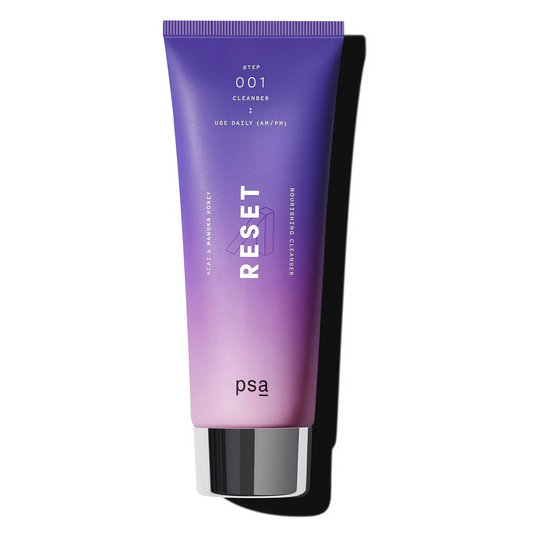 Acai & Manuka Honey Nourishing CleanserRegular price $31.00Sale price $31.00 Regular priceUnit price per
$31.00 USD -
 Awarded:
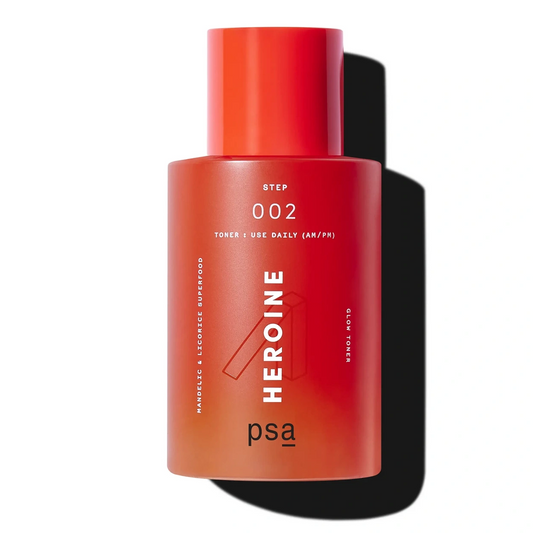
 Mandelic & Licorice Superfood Glow TonerRegular price $36.00Sale price $36.00 Regular priceUnit price per
$36.00 USD -
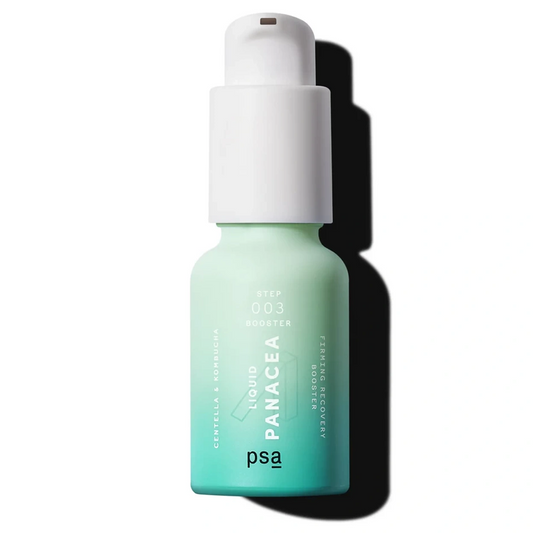 Centella & Kombucha Firming Recovery BoosterRegular price $31.00Sale price $31.00 Regular priceUnit price per
$31.00 USD -
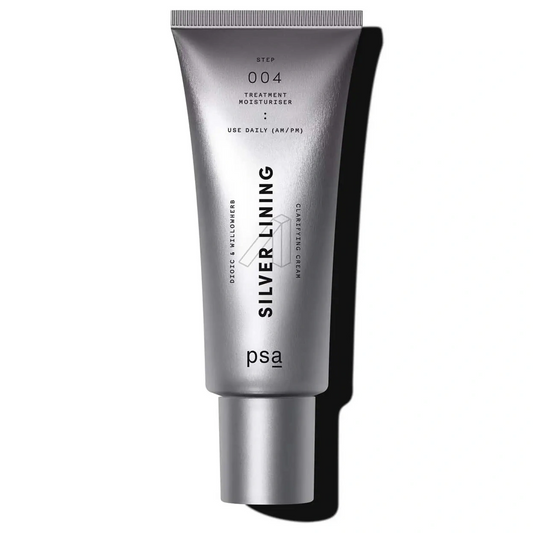 Dioic & Willowherb Clarifying CreamRegular price $38.00Sale price $38.00 Regular priceUnit price per
$38.00 USD

- Choosing a selection results in a full page refresh.
- Opens in a new window.