


Your skin is staging a protest.
Maybe it's that tight, uncomfortable feeling after washing your face. Or the fact that your moisturizer used to work but now just sits on top doing absolutely nothing. Or the way your skin looks dull and... deflated, like someone let the air out.
You've been Googling "how to fix skin barrier" at 2am (we see you), and two ingredients keep showing up everywhere: panthenol and ceramides.
They're both called "barrier repair" heroes. They're both in like, every K-beauty product. And honestly? They sound pretty similar when you're reading ingredient lists while half-asleep.
But here's the thing: they do completely different jobs. And understanding which one your skin needs right now—or whether you need both—can be the difference between "meh" results and actual relief.
What Panthenol Actually Is (The Quick Version)
Panthenol = Pro-Vitamin B5 = Your Skin's Hydration Bodyguard
When you slap panthenol on your face, your skin converts it into vitamin B5 (pantothenic acid). And vitamin B5? It's obsessed with water.
Think of it as the friend who shows up to your place with groceries, helps you meal prep, AND does your dishes. It's just... helpful in multiple ways.
What panthenol does:
-
Grabs water and holds onto it (humectant = attracts moisture)
-
Smooths and softens your skin (emollient = seals moisture in)
-
Calms irritation and redness (anti-inflammatory)
-
Supports wound healing (why it's in post-tattoo creams)
-
Strengthens your skin barrier (helps produce protective lipids)
It's basically the overachiever of hydration. Works fast. Plays well with others. Doesn't cause drama.
The vibe: Instant relief. Soothing. Lightweight. Like giving your skin a tall glass of water after a long day.
What Ceramides Actually Are (Without the Science Lecture)
Ceramides = The Grout Between Your Skin Cells = Your Barrier's Actual Structure
Your skin is basically a brick wall. The cells are the bricks. And ceramides? They're the cement holding everything together.
Ceramides make up about 50% of your skin's outermost layer. They're lipids (fats) that form these tightly packed sheets between your skin cells, creating that crucial barrier that keeps moisture IN and irritants OUT.
What ceramides do:
-
Physically seal your skin barrier (like caulking the gaps)
-
Prevent transepidermal water loss (stop moisture from evaporating)
-
Block irritants, allergens, and pathogens (your skin's bouncer)
-
Support the skin's natural lipid structure (rebuilding what's damaged)
-
Keep your skin plump and intact (structure = fullness)
They're not adding hydration. They're preventing your skin from losing the hydration it has.
The vibe: Structural repair. Long-term protection. Like fixing the roof so the rain stops getting in.
Panthenol vs. Ceramides: The Head-to-Head
|
Feature |
Panthenol |
Ceramides |
|
What it is |
Provitamin B5 (water-soluble vitamin) |
Lipid (fat molecule) naturally in skin |
|
Primary job |
Attracts and binds water |
Seals skin barrier structure |
|
How it works |
Humectant + emollient (grabs water, locks it in) |
Forms lipid bilayers between cells (mortar) |
|
Speed |
Immediate hydration and soothing |
Gradual barrier repair (days to weeks) |
|
Texture |
Lightweight, absorbs fast |
Can feel richer depending on formulation |
|
Best for |
Dehydrated, irritated, sensitive skin |
Compromised barrier, dry, aging skin |
|
Works like |
Emergency hydration + calming |
Structural reinforcement |
|
Stress angle |
Soothes inflammation from cortisol |
Rebuilds what cortisol destroyed |
The short version:
-
Panthenol = water and calm
-
Ceramides = structure and sea
When Your Stressed Skin Needs Panthenol
Here's when to reach for panthenol:
✓ Your skin feels dehydrated no matter how much moisturizer you use
Dehydration isn't about lack of oil—it's about lack of water. Panthenol is one of the best humectants out there, pulling moisture into your skin from deeper layers and from the air.
✓ You just over-exfoliated or used too much retinol
When actives leave your skin red, tight, or sensitive, panthenol swoops in with its anti-inflammatory powers. It calms irritation and helps your skin recover faster.
✓ Your skin is red, reactive, or feels "angry"
Stressed skin = inflamed skin. Panthenol reduces redness and soothes that uncomfortable, sensitized feeling within hours.
✓ You live in a dry or harsh climate
Cold air, wind, indoor heating—all of these strip moisture from your skin. Panthenol helps you retain hydration even when your environment is working against you.
✓ You need immediate relief
Unlike ceramides (which take time to rebuild structure), panthenol delivers noticeable hydration and comfort quickly—sometimes within a single use.
Panthenol is your "right now" fix. It's the ingredient that makes your skin feel better today, not two weeks from now.
When Your Stressed Skin Needs Ceramides
Here's when to reach for ceramides:
✓ Your skin barrier is actually compromised
If products that used to be fine now sting, or your skin feels raw and reactive, your barrier is damaged. Ceramides help physically repair that lipid structure.
✓ You have chronic dryness that won't budge
When your skin drinks up moisturizer and then feels dry an hour later, you're not holding onto hydration. That's a ceramide problem—your barrier has gaps that are letting moisture escape.
✓ You're dealing with eczema, psoriasis, or atopic dermatitis
These conditions are directly linked to ceramide deficiency. Studies show that people with eczema have significantly lower ceramide levels in their skin.
✓ Your skin looks dull, crepey, or "deflated"
As we age (and especially when we're chronically stressed), ceramide production declines. That loss of structure makes skin look thinner and less plump. Replenishing ceramides helps restore that fullness over time.
✓ You're using actives and want to protect your barrier
If you're using retinoids, acids, or other potent treatments, ceramides act as protective scaffolding—letting you continue using actives without wrecking your barrier.
Ceramides are your "long-term investment." They rebuild and fortify your barrier so your skin stays resilient, not just for today but for the weeks and months ahead.
The Stress-Skin Connection: Why Both Matter
Let's talk about what chronic stress is doing to your skin barrier.
When you're stressed, your body floods your system with cortisol. And cortisol, bless its heart, is terrible for your skin.
What cortisol does:
-
Breaks down ceramides faster → Weak barrier, moisture loss
-
Increases inflammation → Redness, sensitivity, breakouts
-
Slows down skin repair → Longer recovery from damage
-
Triggers transepidermal water loss (TEWL) → Dehydration no matter how much you moisturize
Your skin barrier under stress is like a leaky roof during a storm. Water's getting out (dehydration), and irritants are getting in (sensitivity).
This is where panthenol and ceramides become a power couple.
-
Panthenol addresses the immediate symptoms: dryness, inflammation, irritation
-
Ceramides address the root cause: barrier structure breakdown
Used together? You get fast relief (panthenol) PLUS long-term repair (ceramides). Your skin stays hydrated and calm while the barrier rebuilds itself.
Do You Need Both? (Spoiler: Probably Yes)
Panthenol and ceramides work better together than separately.
Think of it this way:
-
Ceramides build the walls
-
Panthenol brings in the water and calms the chaos
Most effective barrier repair products use both—and throw in other supporting ingredients like niacinamide, hyaluronic acid, and cholesterol (which works with ceramides to form that lipid structure).
Good formulas look like this:
-
Ceramides (multiple types: NP, AP, EOP)
-
Panthenol (1-5%)
-
Niacinamide (boosts your skin's natural ceramide production)
-
Hyaluronic acid (extra hydration)
-
Cholesterol and fatty acids (complete the lipid ratio)
The best barrier repair isn't one ingredient—it's a well-rounded team.
How to Use Panthenol and Ceramides in Your Routine
Panthenol Products You'll Find
Panthenol shows up in almost everything:
-
Cleansers (keeps skin hydrated while washing)
-
Toners and mists (preps skin + immediate hydration)
-
Serums (concentrated hydration + soothing)
-
Moisturizers (seals everything in)
Concentration: Look for 1-5% panthenol for best results.
PSA products with panthenol:
-
RESET Acai & Manuka Honey Nourishing Cleanser - Panthenol + Manuka Honey = gentle cleansing that doesn't strip
-
THE MOST Hyaluronic Super Nutrient Hydration Serum - Panthenol + multiple weights of hyaluronic acid = deep, lasting hydration
-
DEW HALO Niacinamide & Blackberry Mist - Panthenol + Niacinamide + Beta Glucan = instant hydration and barrier support
-
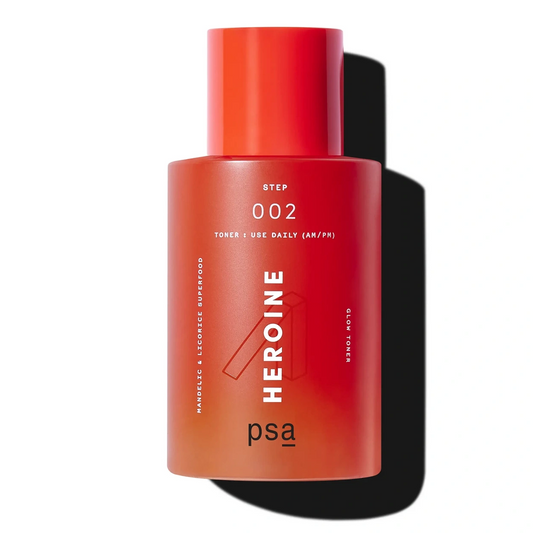
HEROINE Mandelic & Licorice Superfood Glow Toner - Panthenol + gentle acids = exfoliation that doesn't destroy your barrier
Ceramide Products You'll Find
Ceramides are most effective in:
-
Moisturizers (leave-on products with prolonged contact)
-
Barrier repair creams (intensive treatments)
-
Serums (for layering under heavier creams)
Look for products that combine ceramides with cholesterol and fatty acids (the "golden ratio" for barrier repair).
PSA products with ceramide-supporting ingredients:
-
VISIBLE IMPROVEMENT Peptides & Niacinamide Serum - Niacinamide boosts your skin's natural ceramide production
-
SILVER LINING Dioic & Willowherb Clarifying Cream - Supports barrier while treating breakouts
-
LIQUID PANACEA Centella & Kombucha Firming Recovery Booster - Strengthens barrier with adaptogenic ingredients
The Ideal Routine for Stressed, Barrier-Compromised Skin
Morning:
-
Gentle cleanser with panthenol (RESET)
-
Hydrating mist with panthenol + niacinamide (DEW HALO)
-
Serum with barrier support (THE MOST or VISIBLE IMPROVEMENT)
-
Moisturizer with ceramides or ceramide-supporting ingredients
-
SPF (non-negotiable—sun damage destroys ceramides)
Night:
-
Double cleanse if wearing SPF/makeup (RESET)
-
Toner with panthenol (HEROINE, if your skin tolerates gentle acids)
-
Hydration serum (THE MOST)
-
Barrier repair serum or booster (LIQUID PANACEA)
-
Rich moisturizer with ceramides
Pro tip: Apply everything on damp skin. Panthenol works better when there's existing moisture to bind to, and your skin absorbs ceramides more effectively when slightly hydrated.
Panthenol vs. Ceramides vs. Other Barrier Ingredients
Let's clear up the confusion with other popular barrier repair ingredients:
Panthenol vs. Hyaluronic Acid
-
HA: Holds 1000x its weight in water, but only pulls moisture to the surface
-
Panthenol: Pulls moisture AND helps strengthen the barrier
-
Best together: HA attracts water, panthenol locks it in
Panthenol vs. Niacinamide
-
Niacinamide: Boosts your skin's natural ceramide production, regulates oil, brightens
-
Panthenol: Direct hydration and soothing
-
Best together: Niacinamide builds long-term resilience, panthenol provides immediate comfort
Ceramides vs. Cholesterol and Fatty Acids
-
Ceramides: Make up 50% of your skin's lipids
-
Cholesterol + fatty acids: Make up the other 50%
-
Best together: The "mortar" needs all three components in the right ratio (~1:1:1)
Ceramides vs. Squalane
-
Squalane: Occlusive (sits on top, prevents water loss)
-
Ceramides: Integrates into skin structure (rebuilds the barrier)
-
Best together: Ceramides repair, squalane seals
Common Questions About Panthenol and Ceramides
Q: Can panthenol or ceramides cause breakouts?
A: Panthenol is non-comedogenic and rarely causes issues. Ceramides themselves don't cause breakouts, but some ceramide-rich formulas can feel heavy if they're loaded with occlusive ingredients. If you're acne-prone, look for lightweight gel-cream ceramide formulas.
Q: How long before I see results?
A: Panthenol = immediate to 24 hours (you'll feel the difference right away). Ceramides = 2-4 weeks for noticeable barrier repair, 4-8 weeks for visible texture and dryness improvements.
Q: Are synthetic ceramides as good as natural?
A: Yes. Synthetic (pseudo) ceramides are actually more stable and pure than plant-derived or animal-derived ceramides. Your skin can't tell the difference once they're in the lipid structure.
Q: Can I overdo it with panthenol or ceramides?
A: Panthenol is extremely gentle—overdoing it is rare. At high concentrations (10%+), some people report mild irritation, but that's uncommon. Ceramides also have an excellent safety profile. The bigger issue is usually the OTHER ingredients in the formula (fragrances, irritants, etc.).
Q: Will these work if I'm pregnant or breastfeeding?
A: Yes! Both panthenol and ceramides are considered safe during pregnancy and breastfeeding. They're already naturally present in your body.
Q: Do I still need these if my skin looks "fine"?
A: If your barrier is strong and your stress levels are manageable, you might not need targeted barrier repair. But as prevention? They're still useful. Ceramides decline with age regardless of stress, and panthenol is one of those ingredients that just makes skin feel better without any downside.
The Bottom Line: Which One Do You Actually Need?
Choose panthenol if:
-
Your skin is dehydrated, sensitive, or irritated RIGHT NOW
-
You need immediate comfort and hydration
-
You're recovering from over-exfoliation or harsh treatments
-
You want a lightweight, fast-absorbing solution
Choose ceramides if:
-
Your skin barrier is compromised or damaged
-
Moisture doesn't stay in your skin no matter what you do
-
You have chronic dryness, eczema, or aging concerns
-
You want long-term barrier resilience, not just quick fixes
Choose BOTH if:
-
Your skin is stressed, dry, and reactive (most of us, honestly)
-
You're using actives and want to protect your barrier
-
You want fast relief + lasting repair
-
You're addressing both symptoms (dehydration, inflammation) and root cause (barrier damage)
Panthenol + Ceramides: Your Barrier's Dream Team
Here's what we've learned:
Panthenol is your emergency responder. It shows up fast, brings hydration, calms the chaos, and makes your skin feel like it can breathe again.
Ceramides are your structural engineer. They rebuild the foundation, seal the cracks, and make sure your barrier can actually do its job long-term.
And when your skin is dealing with chronic stress—cortisol spikes, inflammation, barrier breakdown—you need both.
Because stressed skin doesn't just need a drink of water. It needs the roof fixed, the walls reinforced, and someone to tell it everything's going to be okay.
Your stressed-out skin deserves the full support team. Not just one ingredient playing hero. The whole crew working together to get you back to comfortable, resilient, functioning skin.
Start with what your skin needs most right now. Add the long-term repair as you go. And remember: barrier repair isn't a one-and-done thing. It's ongoing maintenance for skin that's constantly under stress.
Which, let's be honest, is all of us.
Ready to give your barrier the support it's been begging for? Start with PSA's hydration-meets-barrier-repair lineup—formulated with panthenol, niacinamide (ceramide booster), and stress-fighting adaptogens. Your skin shouldn't have to choose between feeling good today and being resilient tomorrow.
Related Posts


-
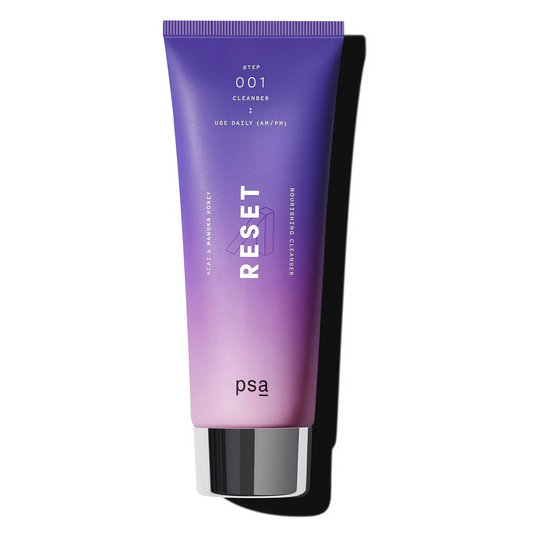 Acai & Manuka Honey Nourishing CleanserRegular price $31.00Sale price $31.00 Regular priceUnit price per
$31.00 USD -
 Awarded:
 Mandelic & Licorice Superfood Glow TonerRegular price $36.00Sale price $36.00 Regular priceUnit price per
$36.00 USD -
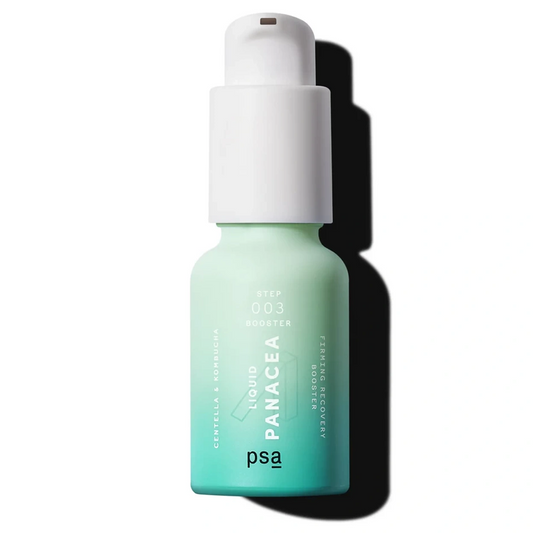 Centella & Kombucha Firming Recovery BoosterRegular price $31.00Sale price $31.00 Regular priceUnit price per
$31.00 USD -
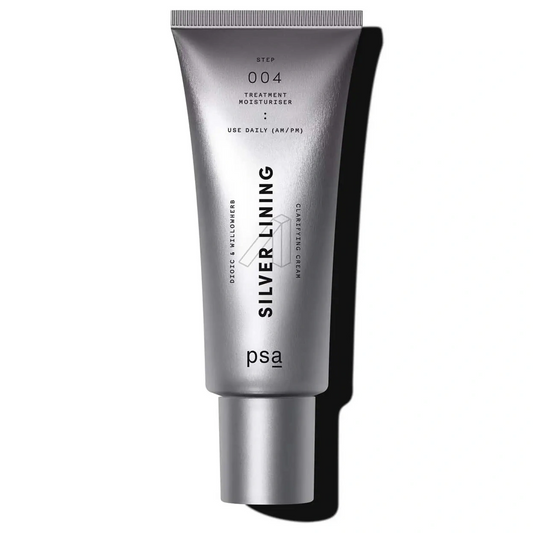 Dioic & Willowherb Clarifying CreamRegular price $38.00Sale price $38.00 Regular priceUnit price per
$38.00 USD

- Choosing a selection results in a full page refresh.
- Opens in a new window.