


You looked in the mirror this morning and didn't recognize your own face.
Not in a dramatic, horror-movie way. More like: when did that line between my eyebrows become permanent? Why does my skin look so... deflated? And why is my under-eye area suddenly announcing to the world that I've been running on five hours of sleep and sheer spite for the past six months?
Welcome to stress aging. It's different from regular aging. It's faster, meaner, and it doesn't wait until you're 50 to show up.
Here's what's happening: Your stress hormones are literally eating your collagen for breakfast. While you're grinding through deadlines and doomscrolling at midnight, cortisol is in your skin going full Pac-Man on the proteins that keep you looking like... you.
But then, there are peptides… The tiny overachievers of the skincare world.
You've probably seen them on ingredient lists and wondered if they're actually doing anything or if they're just there to justify the price tag. Fair question.
The answer: they're doing something, but probably not what you think.
Peptides aren't magical. They won't turn back time. But they can tap your skin on the shoulder and say, "Hey, remember making collagen? You should probably do that again."
And when stress is actively destroying your collagen faster than your body can make it? That reminder matters.
What Peptides Actually Are (Without the Science Lecture)
Okay, quick biology lesson that won't put you to sleep:
Your skin is basically a construction site. Collagen and elastin are the scaffolding. Amino acids are the individual bricks. And peptides? They're the text messages telling the crew what to build.
When you're young and unstressed (remember that?), your skin gets these messages loud and clear. "Build more collagen!" "Repair that damage!" "Keep everything firm!" And your cells are like, "Got it, boss."
But when you're chronically stressed, sleep-deprived, and running on caffeine and anxiety? Those messages get... quieter. Weaker. Sometimes they don't get through at all. Your skin's standing there waiting for instructions that never come.
That's where topical peptides come in.
They're synthetic versions of those cellular text messages. Little amino acid chains (usually 2-50 of them linked together) that are small enough to actually sink into your skin and deliver their memo directly to your cells.
"Make collagen."
"Fix this damage."
"Stop falling apart."
Why not just slap collagen on your face?
Because collagen molecules are HUGE. Like, trying-to-fit-a-couch-through-a-cat-door huge. They can't penetrate your skin. They just sit on the surface looking expensive.
Peptides, on the other hand, are tiny enough to slip through. They don't bring the couch—they bring the IKEA instruction manual telling your skin how to build its own couch. And that's way more useful.
Why Your Stressed Skin Is Literally Falling Apart (And Why Peptides Care)
Let's talk about what stress is actually doing to your face.
You know that feeling when you catch your reflection in a Zoom call and think, "When did I start looking this tired?" That's not just bad lighting. That's cortisol.
Chronic stress ages your skin 30-40% faster than normal aging.
Not "makes you look tired." Not "causes a few extra wrinkles." Actually, measurably destroys your collagen infrastructure faster than your body can rebuild it.
What's happening under your skin right now:
Your stressed-out body is pumping out cortisol like it's preparing for battle. Which, fair—your inbox kind of is a battlefield. But cortisol doesn't know the difference between "tiger chasing you" and "47 unread emails." It just knows: emergency mode, activate.
And in emergency mode, cortisol:
-
Breaks down collagen like it's going out of style (30-40% faster than normal)
-
Shuts down fibroblast activity (the cells that make new collagen)
-
Cranks up inflammation (which releases enzymes that eat your collagen)
-
Sabotages skin repair (because who has time for maintenance during a crisis?)
It's like your body's triage system decided your face isn't a priority. Survival first, looking decent later.
Except "later" keeps not happening because the stress keeps not stopping.
This is where peptides become actually useful.
Your natural "make more collagen" signals are weak and getting weaker. Your fibroblasts are exhausted and understaffed. Your repair mechanisms are running on fumes.
Peptides bypass all that. They march directly to your fibroblasts and deliver the message in all caps: MAKE. MORE. COLLAGEN. NOW.
They don't eliminate your stress. (If only.) But they can help your skin keep rebuilding despite it.
The 4 Types of Peptides
Not all peptides do the same job. Think of them like a team, each with their own specialty. Here's who's on your roster:
1. Signal Peptides (The Motivational Speakers)
Their job: Yell at your fibroblasts until they make more collagen and elastin.
The vibe: "You can do this! Build! Create! Don't stop now!"
Names you might see: Matrixyl, Palmitoyl Tripeptide-1, Palmitoyl Tripeptide-38
What they actually do:
-
Kickstart collagen production when it's slowed down
-
Improve firmness (because more collagen = more structure)
-
Reduce fine lines and wrinkles over time
-
Help your skin remember how to repair itself
Why stressed skin loves them: When cortisol has basically told your collagen production to take a permanent vacation, signal peptides are the ones dragging it back to work.
2. Carrier Peptides (The Delivery Drivers)
Their job: Transport essential minerals (especially copper) directly to your skin cells.
The vibe: "Here's your package. Sign here."
Names you might see: Copper peptides (GHK-Cu), Manganese peptides
What they actually do:
-
Deliver trace minerals your cells need to function
-
Support wound healing (great for stressed, damaged skin)
-
Boost antioxidant defenses
-
Help build collagen and elastin (but more gently than signal peptides)
Why stressed skin loves them: Chronic stress depletes your mineral reserves. These peptides deliver the stuff they're too exhausted to source themselves.
3. Neurotransmitter-Inhibitor Peptides (The Chill Pills)
Their job: Tell your facial muscles to relax for five damn minutes.
The vibe: "Take a deep breath. Unclench your jaw. It's fine."
Names you might see: Acetyl Hexapeptide-8 (Argireline)
What they actually do:
-
Temporarily block the signals that make your face muscles contract
-
Soften expression lines (forehead, crow's feet, the permanent frown you've developed)
-
Provide a gentler, topical alternative to Botox
-
Prevent lines from getting deeper
Why stressed skin loves them: If you've been clenching your face for months (or years), you're literally etching lines into your skin. These peptides hit pause on that process.
4. Enzyme-Inhibitor Peptides (The Bodyguards)
Their job: Stop the enzymes that eat your collagen.
The vibe: "Nobody touches the collagen. Not today, Satan."
Names you might see: Soybean peptides, silk peptides, rice peptides
What they actually do:
-
Block the enzymes that break down collagen
-
Protect existing collagen from UV damage and pollution
-
Slow down the degradation process
-
Keep your skin structure intact longer
Why stressed skin loves them: Stress floods your system with inflammatory enzymes that chomp through collagen like termites. Enzyme-inhibitor peptides are the pest control.
The best peptide products use multiple types. You want the full team working together—building new collagen, protecting existing collagen, calming inflammation, and delivering nutrients.
One peptide type alone is like hiring a construction crew but only giving them hammers. Multiple peptides? Now you've got a full toolkit.
What Peptides Can (And Can't) Do
Peptides are helpful, not heroic.
What peptides CAN do:
✓ Signal your skin to produce more collagen and elastin
✓ Support barrier function and hydration
✓ Help repair stress-induced damage
✓ Improve firmness and reduce appearance of fine lines over time
✓ Work synergistically with other actives (niacinamide, hyaluronic acid)
✓ Provide benefits without irritation (unlike retinoids)
What peptides CANNOT do:
✗ Erase deep wrinkles instantly
✗ Replace retinoids for cell turnover
✗ Work as effectively as Botox for muscle relaxation
✗ Compensate for not wearing SPF
✗ Fix skin if you're not addressing the underlying stress
Peptides are a supporting actor, not the lead. They enhance a solid routine—they don't replace one.
PSA's Peptide Formula: VISIBLE IMPROVEMENT
VISIBLE IMPROVEMENT serum features a 10% Peptide Complex alongside 10% Niacinamide—a combination specifically designed for stressed, aging skin that needs both repair and protection.
The 10% Peptide Complex includes:
-
Palmitoyl Tripeptide-1 (signal peptide) - stimulates collagen production
-
Palmitoyl Tetrapeptide-7 (signal peptide) - reduces inflammation and supports repair
-
Palmitoyl Tripeptide-38 (signal peptide) - increases production of collagen types I, III, and IV
Why this combination matters: When you're stressed, you need multiple approaches. Signal peptides alone rebuild collagen. But stressed skin is also inflamed, dehydrated, and barrier-compromised. That's why the formula includes:
-
10% Niacinamide - strengthens barrier, reduces inflammation, regulates sebum, brightens
-
Beta Glucan - soothes inflammation, supports immune function
-
Panthenol (Pro-Vitamin B5) - deeply hydrates and repairs
-
Resveratrol - antioxidant protection against free radical damage
-
Kombucha - probiotics for microbiome balance
The stress-skin strategy: Peptides rebuild what cortisol breaks down. Niacinamide protects the barrier so stress can't penetrate as deeply. Beta Glucan calms the inflammatory response. Together, they address stress-induced aging from multiple angles.
What to expect:
-
Weeks 1-2: Improved hydration, smoother texture
-
Weeks 4-6: Visible reduction in fine lines, more even tone
-
Weeks 8-12: Increased firmness, plumper appearance, continued improvement
Results are gradual. Peptides work by signaling cellular processes, not by creating surface-level changes. Consistency matters more than concentration.
Peptides + Niacinamide: The Power Combination
Here's why PSA Skincare pairs these ingredients:
Peptides tackle the structure: They signal collagen and elastin production, addressing loss of firmness and wrinkles from within.
Niacinamide tackles the surface and barrier: It strengthens the skin's protective layer, reduces inflammation, regulates oil, and brightens tone.
Together, they're synergistic:
-
Niacinamide boosts ceramide production → stronger barrier → better environment for peptide activity
-
Peptides stimulate collagen → improved structure → niacinamide's barrier benefits have a better foundation
-
Both are anti-inflammatory → less stress-induced breakdown → better overall repair
-
Both support hydration → peptides need moisture to work effectively
What Works With Peptides (And What Doesn't)
Peptides play well with most ingredients, but there are some combinations to optimize:
GREAT PAIRINGS:
✓ Niacinamide - enhances barrier function and hydration (PSA does this in VISIBLE IMPROVEMENT)
✓ Hyaluronic Acid - provides moisture that peptides need to function (THE MOST pairs perfectly)
✓ Antioxidants - protect against free radical damage while peptides rebuild (Vitamin E, Resveratrol)
✓ Ceramides - strengthen barrier alongside peptide activity
✓ Beta Glucan - soothes inflammation so peptides can focus on repair
CAREFUL PAIRINGS:
⚠ Vitamin C (L-Ascorbic Acid) - Low pH can destabilize some peptides. Use at different times (Vitamin C morning, peptides night) or choose a more stable Vitamin C derivative
⚠ Direct Acids (AHAs/BHAs) - Very low pH can reduce peptide effectiveness. Layer carefully or alternate days
FINE TO COMBINE (despite myths):
✓ Retinol - Works on different mechanisms. Use retinol at night, peptides morning, or layer peptides first
✓ SPF - Always use in the morning. Peptides don't increase sun sensitivity, but UV destroys collagen
PSA routine layering:
-
Morning: HEROINE toner → VISIBLE IMPROVEMENT → THE MOST → SPF
-
Night: RESET cleanser → GOALS (if using acids) → VISIBLE IMPROVEMENT → MIDNIGHT COURAGE oil (if needed)
The key: peptides need to actually reach your skin. Don't buffer them under heavy creams. Apply to slightly damp, cleansed skin for best penetration.
How to Use Peptides (The Real Instructions)
Choose the right format: Serums > Creams > Cleansers. You want leave-on products with prolonged skin contact. VISIBLE IMPROVEMENT is a serum because that format allows peptides to penetrate effectively.
When to apply: Morning, night, or both. Consistency matters more than timing. Most people see best results with twice-daily use.
How much: 1-3 pumps for face and neck. Peptides are concentrated—you don't need a lot.
Application technique:
-
Cleanse first (RESET cleanser)
-
Apply to damp (not soaking) skin for better absorption
-
Pat, don't rub—pressing enhances penetration
-
Let absorb for 30-60 seconds before layering other products
-
Follow with hydration (THE MOST) and seal with moisturizer/oil if needed
Timeline for results:
-
Immediate: Better hydration
-
2-4 weeks: Smoother texture
-
6-8 weeks: Visible reduction in fine lines
-
12+ weeks: Improved firmness and continued refinement
Peptides aren't instant gratification. They're playing the long game—cellular repair takes time.
Are Peptides Worth It? (The Honest Answer)
They're worth it if:
-
You're dealing with stress-induced aging (fine lines, loss of firmness, dullness)
-
You want collagen support without retinoid irritation
-
You need a gentle anti-aging approach for sensitive or reactive skin
-
You're already using basics (cleanser, SPF, moisturizer) and want to add targeted treatment
-
You're willing to commit to 8-12 weeks to see results
They're NOT worth it if:
-
You're looking for instant results
-
You're not wearing SPF (peptides can't outpace sun damage)
-
You're not addressing the actual source of stress
-
You expect them to replace proven actives like retinoids or vitamin C
-
You're shopping on price alone and peptides push you beyond budget
Peptides are a smart addition to a stress-focused routine, not a standalone miracle. VISIBLE IMPROVEMENT works because it combines peptides with niacinamide, beta glucan, and other barrier-supporting ingredients—addressing stressed skin's multiple needs, not just collagen loss.
If your skin is breaking down from stress faster than it's rebuilding, peptides help. But they work best when you're also managing stress (sleep, boundaries, therapy), protecting your skin (SPF daily), and maintaining barrier health (gentle cleansing, hydration).*
Common Peptide Questions (Answered Directly)
Are peptides better than retinol? Different jobs. Retinol speeds cell turnover and stimulates collagen through a different mechanism. Peptides signal collagen production without exfoliation. For sensitive or stressed skin, peptides are gentler. For maximum anti-aging, many people use both (retinol night, peptides morning).
Can I use peptides if I'm pregnant/breastfeeding? Yes. Unlike retinoids, peptides are generally considered safe. Check with your doctor, but topical peptides don't have the same restrictions.
Will peptides make me break out? Unlikely. Peptides themselves are non-comedogenic. But if your peptide product contains heavy oils or silicones, those could cause issues. VISIBLE IMPROVEMENT is formulated without pore-clogging ingredients.
How long until I see results? 4-6 weeks for texture improvement, 8-12 weeks for visible reduction in fine lines. If you see nothing after 12 weeks, either the formulation is weak or peptides aren't addressing your primary concern.
Are expensive peptide products better? Not necessarily. What matters is peptide type, concentration, and supporting ingredients. VISIBLE IMPROVEMENT is under $40 and contains 10% peptides—comparable to products 3x the price.
Can peptides replace Botox? No. Neurotransmitter-inhibitor peptides provide a very mild relaxing effect compared to Botox. If you have deep expression lines, peptides alone won't cut it. But they can help maintain results between Botox appointments.
Do I need different peptides for different concerns? Ideally, a formula combines multiple peptide types to address collagen production, inflammation reduction, and repair simultaneously. You don't need separate products for each peptide type.
Final Thoughts: Peptides for Stressed Skin
Your skin is under assault. Cortisol breaking down collagen. Inflammation weakening your barrier. Free radicals accelerating aging. Poor sleep preventing repair.
You can't always control the stress. But you can give your skin the signals it needs to keep rebuilding despite it.
Peptides won't fix everything. They won't erase a decade of sun damage or replace actual sleep. But when your skin is tired, stressed, and aging faster than it should, peptides provide the cellular instructions to keep fighting back.
Always formulate peptides alongside barrier-supporting ingredients (niacinamide, beta glucan, panthenol) because stressed skin needs comprehensive support, not just collagen stimulation.
If your fine lines aren't from age—they're from stress—peptides are one of the few ingredients that addresses the specific damage cortisol causes. They're not magic. They're biology. And when your biology is stressed, they help it function better.
Related Posts


-
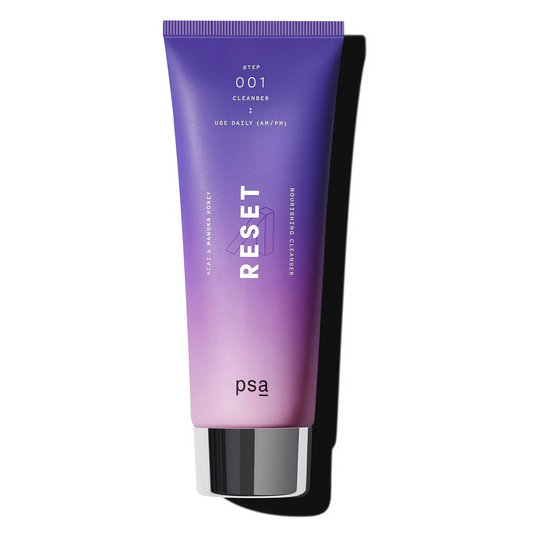 Acai & Manuka Honey Nourishing CleanserRegular price £30.00Sale price £30.00 Regular priceUnit price per
 -
 Awarded:
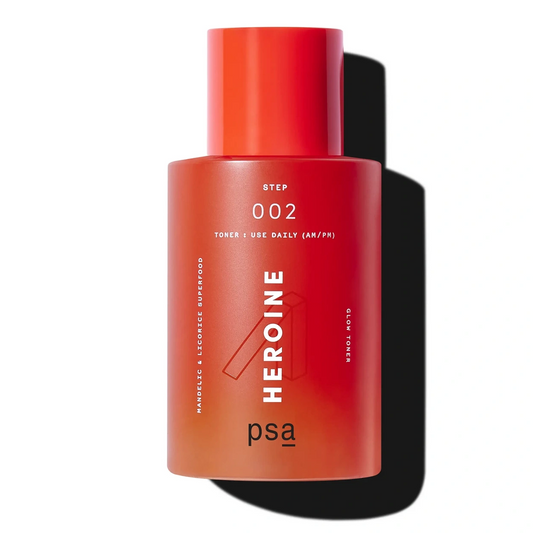
 Mandelic & Licorice Superfood Glow TonerRegular price £35.00Sale price £35.00 Regular priceUnit price per
 -
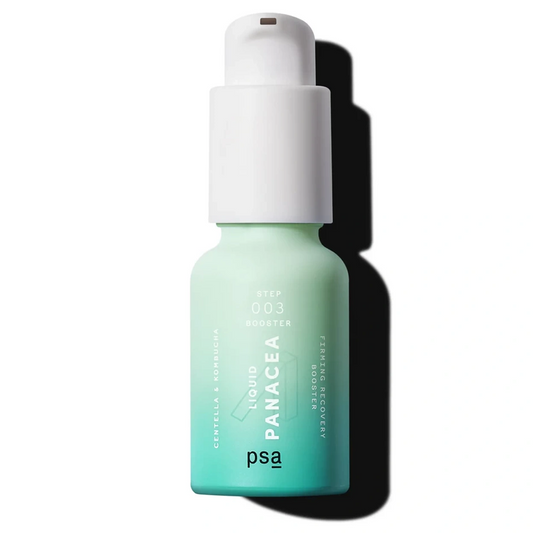 Centella & Kombucha Firming Recovery BoosterRegular price £30.00Sale price £30.00 Regular priceUnit price per
 -
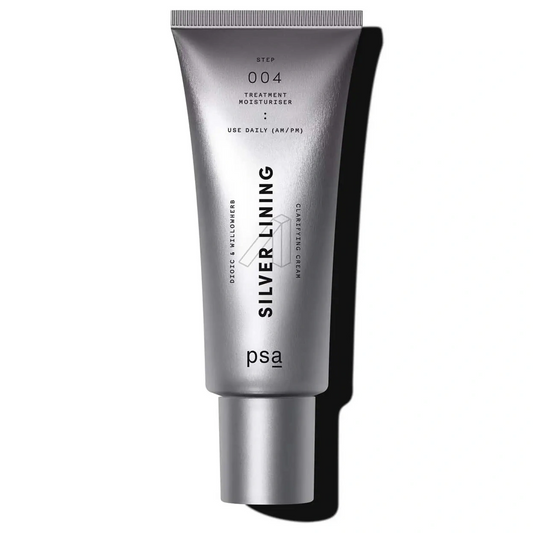 Dioic & Willowherb Clarifying CreamRegular price £37.00Sale price £37.00 Regular priceUnit price per

- Choosing a selection results in a full page refresh.
- Opens in a new window.