


When you're pregnant, suddenly your entire skincare routine feels like a minefield.
Your retinoid? Forbidden. Your salicylic acid? Maybe? Your Vitamin C serum? You're not sure. Google tells you everything from "completely fine" to "definitely don't risk it," and now you're afraid to put anything on your face.
Pregnancy skincare information is often unnecessarily fear-based, oversimplified, or just wrong.
Some sources treat every ingredient like a threat. Others dismiss legitimate concerns. And very few explain the actual evidence (or lack thereof) behind the recommendations.
This guide cuts through the noise. I'll tell you what's actually known, what's precautionary, what alternatives exist, and how to build a safe, effective routine during pregnancy and breastfeeding.
Let's start with the most important thing to understand.
The Big Picture: Systemic Absorption vs. Topical Application
Most pregnancy skincare warnings are based on systemic risk, meaning the ingredient would need to enter your bloodstream in significant amounts to potentially affect your baby.
The key distinction:
-
Oral/systemic use = ingredient circulates throughout your body via bloodstream
-
Topical use = ingredient sits on skin surface, minimal absorption into bloodstream
Example: Oral Vitamin A (high-dose supplements) is known to cause birth defects. This is systemic exposure. Topical retinoids (Vitamin A derivatives applied to skin) have theoretical risk based on the oral data, but topical absorption is minimal.
What this means: Most topical skincare ingredients pose little to no risk because absorption into your bloodstream is negligible. But out of an abundance of caution, dermatologists recommend avoiding certain ingredients during pregnancy, especially in the first trimester when organ development is most critical.
The standard approach: When in doubt, avoid it. Not because there's proof of harm, but because there's not enough data to guarantee safety.
This might feel frustrating, but it's the responsible approach when it comes to pregnancy.
Ingredients to AVOID During Pregnancy (The Evidence)
These ingredients have the strongest evidence for avoidance during pregnancy:
1. Retinoids (Vitamin A Derivatives) - AVOID
What they are:
-
Prescription: Tretinoin (Retin-A), Isotretinoin (Accutane), Adapalene (Differin)
-
Over-the-counter: Retinol, Retinaldehyde, Retinyl Palmitate
The evidence:
-
Oral isotretinoin (Accutane) is a known teratogen (causes birth defects)
-
Topical tretinoin has minimal systemic absorption, but case reports suggest possible risk
-
OTC retinol has even less absorption, but is avoided out of caution
The risk level:
-
Prescription retinoids: HIGH RISK - absolutely avoid
-
OTC retinol: THEORETICAL RISK - avoid out of caution, though actual risk is likely very low
Since oral Vitamin A causes birth defects, and topical retinoids are Vitamin A derivatives, the precautionary principle says to avoid them entirely during pregnancy—especially first trimester.
Safe alternatives:
-
Bakuchiol (plant-derived retinoid alternative, considered safe)
-
Azelaic Acid (pregnancy-safe, helps with acne and hyperpigmentation)
-
Niacinamide (safe, addresses multiple skin concerns)
2. High-Dose Salicylic Acid (BHA) - AVOID (In Certain Forms)
What it is: Beta Hydroxy Acid (BHA), used for exfoliation and acne treatment.
The evidence:
-
Oral aspirin (high-dose) in third trimester is associated with bleeding complications
-
Topical salicylic acid has minimal systemic absorption
-
Chemical peels (20-30% salicylic acid) have higher absorption—avoid these
The risk level:
-
Leave-on topical BHA (2% or less): LIKELY SAFE - but many dermatologists recommend avoiding
-
High-percentage peels (20-30%): AVOID - higher systemic absorption
The general recommendation:
-
Spot treatments with 2% salicylic acid: Most dermatologists say OK
-
All-over use: Some say avoid out of caution
-
Chemical peels: Definitely avoid
Safe alternatives:
-
Azelaic Acid (safe, effective for acne)
-
Glycolic Acid (AHA, generally considered safer than BHA during pregnancy)
-
Mandelic Acid (gentle AHA, safe for pregnancy)
3. Hydroquinone - AVOID
What it is: A skin-lightening agent used for hyperpigmentation and melasma.
The evidence:
-
Systemic absorption is higher than other topicals (35-45% absorption)
-
No definitive human studies showing harm
-
Avoided due to high absorption rate and lack of safety data
The risk level: MODERATE - high systemic absorption is concerning, though no proven harm.
Melasma (pregnancy mask) is common during pregnancy due to hormonal changes. But the high absorption rate of hydroquinone makes it a poor risk-benefit choice.
Safe alternatives:
-
Azelaic Acid (safe, effective for melasma)
-
Vitamin C (safe, brightening)
-
Niacinamide (safe, fades hyperpigmentation)
-
Licorice Root Extract (safe, gentle brightening)
4. Formaldehyde & Formaldehyde-Releasing Preservatives - AVOID
What they are: Preservatives found in some skincare and nail products: DMDM Hydantoin, Diazolidinyl Urea, Imidazolidinyl Urea, Quaternium-15.
The evidence:
-
Formaldehyde is a known carcinogen
-
Can cause skin irritation and allergic reactions
-
Should be avoided during pregnancy (and honestly, always)
Where they're found:
-
Some nail polishes and treatments
-
Hair straightening treatments (Brazilian Blowout, keratin treatments)
-
Occasionally in skincare preservative systems
The risk level: MODERATE to HIGH - avoid exposure.
Safe alternatives: Use formaldehyde-free nail polish and avoid keratin treatments during pregnancy.
5. Phthalates - AVOID
What they are: Chemicals used as plasticizers and fragrance carriers, often hidden under "fragrance" or "parfum" on labels.
The evidence:
-
Endocrine disruptors (interfere with hormones)
-
Some studies link prenatal phthalate exposure to developmental issues
-
Commonly found in fragranced products
The risk level: MODERATE - avoid when possible.
How to avoid:
-
Choose fragrance-free products
-
Look for "phthalate-free" on labels
-
Avoid products with "fragrance" or "parfum" unless the brand discloses phthalate-free fragrance
6. Oxybenzone & Octinoxate (Chemical Sunscreen Filters) - CONSIDER AVOIDING
What they are: Chemical UV filters commonly used in sunscreens.
The evidence:
-
Can be absorbed systemically
-
Oxybenzone is an endocrine disruptor
-
Some studies show detection in urine and breastmilk
-
No definitive proof of harm, but concerning enough to consider alternatives
The risk level: LOW to MODERATE - precautionary avoidance recommended by some experts.
Safe alternatives:
-
Mineral sunscreens (Zinc Oxide, Titanium Dioxide) - physical UV blockers, minimal absorption
-
Newer chemical filters (Avobenzone, Tinosorb, Uvinul) - considered safer alternatives
Important caveat: Some sun protection is always better than no sun protection. If mineral sunscreen isn't available or you hate the texture, use what you have. UV damage is a known risk.
Ingredients That Are SAFE During Pregnancy
These are generally considered safe based on available data and minimal systemic absorption:
✅ Vitamin C (L-Ascorbic Acid and Derivatives)
Why it's safe:
-
Antioxidant, not a drug or hormone-affecting ingredient
-
Water-soluble vitamin naturally present in the body
-
Topical application has minimal systemic absorption
What it does:
-
Brightens hyperpigmentation (helpful for melasma)
-
Boosts collagen production
-
Antioxidant protection
-
Safe for pregnancy and breastfeeding
How to use: Look for 10-20% Vitamin C serums (L-Ascorbic Acid, Ascorbic Acid, Tetraxyldecyl Ascorbate...).
✅ Niacinamide (Vitamin B3)
Why it's safe:
-
Water-soluble vitamin, naturally present in body
-
No evidence of risk during pregnancy
-
Extensively studied with no safety concerns
What it does:
-
Fades hyperpigmentation
-
Regulates oil production
-
Strengthens skin barrier
-
Reduces inflammation
-
Minimizes pore appearance
How to use: 2-10% concentrations in serums, toners, or moisturizers. Safe morning and evening.
✅ Azelaic Acid
Why it's safe:
-
Naturally occurring acid (found in grains)
-
Prescription 15-20% and OTC 10% both considered safe
-
Minimal systemic absorption
-
FDA Category B for pregnancy (animal studies show no risk)
What it does:
-
Treats acne (safe alternative to retinoids and BHA)
-
Fades hyperpigmentation and melasma
-
Anti-inflammatory
-
Antibacterial
How to use: 10-20% formulations, once or twice daily. One of the best pregnancy-safe actives.
✅ Glycolic Acid (AHA) - In Moderation
Why it's safe:
-
Naturally occurring fruit acid
-
Minimal systemic absorption at typical concentrations
-
Generally considered safe in pregnancy
What it does:
-
Exfoliates surface dead skin cells
-
Brightens and smooths texture
-
Improves dullness
How to use: 5-10% toners or serums are fine. Avoid high-percentage peels (30%+) during pregnancy—stick to gentle daily use.
✅ Lactic Acid (AHA)
Why it's safe:
-
Naturally occurring (produced by the body during exercise)
-
Minimal systemic absorption
-
Generally considered safe
What it does:
-
Gentle exfoliation
-
Hydrating while exfoliating
-
Brightens skin tone
How to use: 5-10% formulations daily are safe. Gentler than Glycolic Acid.
✅ Mandelic Acid (AHA)
Why it's safe:
-
Naturally derived from bitter almonds
-
Largest molecule of common AHAs = slowest penetration = gentlest
-
No known pregnancy risks
What it does:
-
Very gentle exfoliation
-
Antibacterial (helps with breakouts)
-
Brightens hyperpigmentation
How to use: 6-10% toners or serums. Ideal for sensitive or melanin-rich skin during pregnancy.
✅ Hyaluronic Acid
Why it's safe:
-
Naturally occurring in the body (found in skin, joints, connective tissue)
-
Not absorbed systemically when applied topically
-
Zero risk during pregnancy
What it does:
-
Intense hydration (holds 1000x its weight in water)
-
Plumps skin
-
No active drug properties—just hydration
How to use: Any concentration, daily. Completely safe.
✅ Peptides
Why they're safe:
-
Short chains of amino acids (building blocks of proteins)
-
Too large to penetrate beyond upper skin layers
-
No evidence of pregnancy risk
What they do:
-
Support collagen production
-
Improve firmness and elasticity
-
Anti-aging benefits
How to use: Any peptide serums or creams are safe during pregnancy.
✅ Ceramides
Why they're safe:
-
Naturally occurring lipids in your skin barrier
-
Topical application just supplements what's already there
-
No drug action, no pregnancy risk
What they do:
-
Repair and strengthen skin barrier
-
Prevent moisture loss
-
Reduce dryness and sensitivity
How to use: Any ceramide-containing moisturizers. Essential for barrier health.
✅ Centella Asiatica (Cica)
Why it's safe:
-
Herbal extract used for centuries
-
No evidence of pregnancy risk
-
Anti-inflammatory and wound-healing properties
What it does:
-
Calms inflammation and redness
-
Supports barrier repair
-
Speeds healing
How to use: In serums, creams, or toners. Great for sensitive or reactive skin during pregnancy.
✅ Mineral Sunscreens (Zinc Oxide, Titanium Dioxide)
Why they're safe:
-
Physical UV blockers that sit on skin surface
-
Not absorbed into bloodstream
-
Safe for pregnancy and babies
What they do:
-
Broad-spectrum UV protection
-
Prevent melasma (pregnancy mask) from worsening
-
Protect against premature aging
How to use: SPF 30+ daily. Non-negotiable during pregnancy, especially if dealing with melasma.
The Gray Area: Ingredients with Unclear Safety Data
These ingredients don't have definitive evidence either way. Some experts say fine, others say avoid:
🤷 Essential Oils
The debate:
-
Some aromatherapists say certain oils are unsafe during pregnancy
-
Dermatologists generally recommend avoiding due to irritation risk (not pregnancy risk)
-
Very little actual data on topical essential oil use in pregnancy
The recommendation: Fragrance-free is always a safer bet (pregnancy or not). If you love a product with essential oils, it's probably fine in small amounts, but not necessary.
🤷 Chemical Sunscreens (Avobenzone, Mexoryl, Tinosorb)
The debate:
-
Newer chemical filters have less systemic absorption than Oxybenzone/Octinoxate
-
Some experts say fine, others prefer mineral as a precaution
-
No evidence of harm
The recommendation: Mineral sunscreens are ideal, but if you need a chemical sunscreen (better coverage, no white cast, prefer the texture), modern filters like Avobenzone are generally considered acceptable.
🤷 Low-Percentage BHA (Salicylic Acid) Spot Treatments
The debate:
-
2% spot treatment = minimal systemic absorption
-
Some dermatologists say totally fine, others say avoid out of caution
-
No evidence of harm at low topical concentrations
The recommendation: Most experts agree 2% BHA spot treatment is fine. All-over use or high-percentage peels are the concern.
Pregnancy Skincare Concerns (And How to Address Them Safely)
Pregnancy hormones do a number on your skin. Here's how to handle common issues safely:
Acne & Breakouts
Hormonal fluctuations increase oil production and inflammation.
Safe treatments:
-
Azelaic Acid (10-20%) - safe, effective, anti-inflammatory
-
Glycolic or Mandelic Acid (gentle exfoliation)
-
Niacinamide (regulates oil, reduces inflammation)
-
Low-percentage BHA (spot treatment, most derms say OK)
-
Benzoyl Peroxide (2.5-5%, generally considered safe in limited amounts)
What to avoid:
-
Retinoids (Accutane, Tretinoin, Retinol)
-
High-percentage BHA peels
Melasma (Pregnancy Mask)
Hormonal changes trigger excess melanin production, especially on cheeks, forehead, upper lip.
Safe treatments:
-
Azelaic Acid (fades hyperpigmentation safely)
-
Vitamin C (brightening, antioxidant)
-
Niacinamide (inhibits melanosome transfer)
-
Licorice Root Extract (gentle brightening)
-
Mandelic Acid (gentle exfoliation + brightening)
-
SPF 30+ daily (CRITICAL—UV worsens melasma)
What to avoid:
-
Hydroquinone (high systemic absorption)
-
Retinoids
Melasma often doesn't fully resolve until after pregnancy. Your goal is to prevent it from worsening and set up safe treatment for postpartum.
Stretch Marks
Skin stretches rapidly, collagen and elastin fibers tear in the dermis.
No topical product prevents stretch marks. They're largely genetic and mechanical (how much/fast your skin stretches).
What might help:
-
Keeping skin hydrated (may improve appearance, won't prevent them)
-
Massage with oils or rich creams (feels good, may support elasticity slightly)
-
Centella Asiatica (supports collagen production, wound healing)
What definitely doesn't help:
-
Expensive "stretch mark prevention" creams with no evidence
-
Retinoids (which you can't use anyway)
Realistic expectations: Stretch marks fade postpartum (from red/purple to silvery white). If they bother you after pregnancy, treatments like microneedling or laser can improve them.
Dry, Sensitive, Irritated Skin
Hormonal changes affect skin barrier, increased blood flow, sensitivity.
Safe treatments:
-
Hyaluronic Acid (intense hydration)
-
Ceramides (barrier repair)
-
Centella Asiatica (calming, anti-inflammatory)
-
Niacinamide (strengthens barrier)
-
Rich, fragrance-free moisturizers
What to avoid:
-
Fragranced products (irritation risk increases during pregnancy)
-
Harsh cleansers (strip barrier)
Increased Oiliness
Why it happens: Hormones stimulate sebaceous glands.
Safe treatments:
-
Niacinamide (regulates sebum production)
-
Glycolic or Mandelic Acid (gentle exfoliation, oil control)
-
Clay masks (absorbs excess oil—1-2x per week)
-
Oil-free moisturizers (yes, still moisturize)
What to avoid:
-
Over-washing (triggers more oil production)
-
Harsh astringents (strip barrier, worsen oil)
Sample Pregnancy-Safe Skincare Routines
Basic Pregnancy-Safe Routine (All Skin Types)
Morning:
-
Gentle cleanser
-
Hydrating toner or mist (optional)
-
Vitamin C serum (brightening, antioxidant)
-
Hydrating serum (Hyaluronic Acid)
-
Moisturizer (ceramides, Niacinamide)
-
Mineral SPF 30+ (non-negotiable)
Evening:
-
Gentle cleanser (or oil cleanser + gentle cleanser if wearing SPF/makeup)
-
Hydrating toner
-
Niacinamide serum (optional)
-
Hydrating serum
-
Rich moisturizer or facial oil
For Pregnancy Acne
Morning:
-
Gentle foaming cleanser
-
Mandelic Acid toner (gentle exfoliation)
-
Niacinamide serum (oil control, anti-inflammatory)
-
Lightweight moisturizer
-
Mineral SPF 30+
Evening:
-
Gentle cleanser
-
Azelaic Acid 10-20% (acne treatment)
-
Hyaluronic Acid serum
-
Lightweight moisturizer
Spot treat: Benzoyl Peroxide 2.5% on active breakouts (most dermatologists consider this safe in limited use)
For Melasma/Hyperpigmentation
Morning:
-
Gentle cleanser
-
Vitamin C serum (brightening)
-
Niacinamide serum
-
Moisturizer with Licorice Root or Centella
-
Mineral SPF 50 (melasma worsens with UV—this is critical)
Evening:
-
Gentle cleanser
-
Mandelic Acid toner (2-3x per week)
-
Azelaic Acid 15-20%
-
Hyaluronic Acid serum
-
Rich moisturizer
Key: SPF is your most important melasma treatment. Wear it religiously.
For Dry, Sensitive Skin
Morning:
-
Cream cleanser (ultra-gentle)
-
Centella Asiatica toner (calming)
-
Hyaluronic Acid serum
-
Niacinamide serum (barrier support)
-
Rich moisturizer with ceramides
-
Mineral SPF 30+
Evening:
-
Cream or oil cleanser
-
Hydrating toner
-
Hyaluronic Acid serum
-
Peptide serum (optional)
-
Rich cream or facial oil (occlusive to seal in hydration)
What About Breastfeeding?
Most of the same precautions apply during breastfeeding, but some restrictions loosen:
Still Avoid:
-
Retinoids (can pass into breastmilk)
-
Hydroquinone (high absorption, unknown breastmilk transfer)
Generally Safe:
-
Salicylic Acid (topical use, even all-over, is considered safe—minimal breastmilk transfer)
-
Glycolic/Lactic/Mandelic Acid (safe)
-
Azelaic Acid (safe)
-
Vitamin C, Niacinamide, Hyaluronic Acid, Peptides, Ceramides (all safe)
When You Can Resume:
Once you're done breastfeeding, you can resume retinoids and other restricted ingredients.
The Most Important Takeaway
Pregnancy skincare is about balancing safety and sanity.
You don't need to panic about every ingredient. Most topical skincare has minimal systemic absorption. The precautionary avoidances (retinoids, hydroquinone, high-dose BHA) are based on "better safe than sorry," not proven harm.
What actually matters:
-
Avoid the big ones: retinoids, hydroquinone, high-percentage chemical peels
-
Embrace the safe, effective alternatives: Azelaic Acid, Niacinamide, Vitamin C, gentle AHAs, mineral SPF
-
Don't stress about every ingredient—stress itself affects your skin (and your baby)
-
Focus on hydration, barrier support, and sun protection
Your skin might not be perfect during pregnancy. Hormones are wild, melasma is stubborn, acne happens. That's normal. You're growing a human—your skin can deal with being a little less glowy for a few months.
Once pregnancy and breastfeeding are over, you can resume your full routine (retinoids, stronger acids, whatever you miss). In the meantime, there are plenty of safe, effective options to keep your skin healthy.
And honestly? The best thing you can do for your skin during pregnancy is the same as always: gentle cleansing, hydration, barrier support, and SPF.
Everything else is just optimization.
Disclaimer: This article provides general information based on current dermatological guidelines. Always consult your OB-GYN or dermatologist before using new skincare products during pregnancy. Individual circumstances vary, and your healthcare provider can give personalized advice based on your specific situation.
Related Posts


-
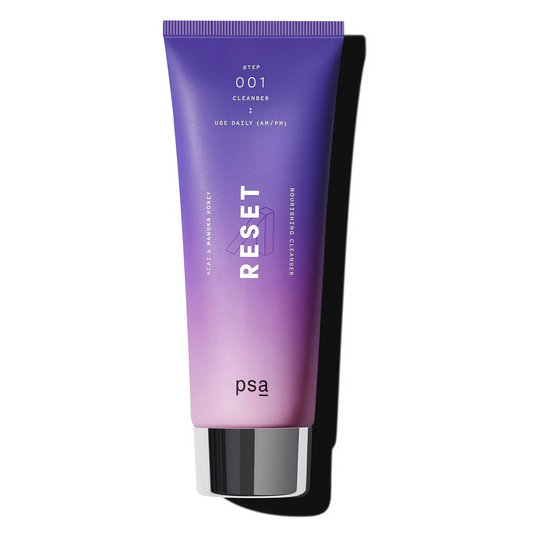 Acai & Manuka Honey Nourishing CleanserRegular price $31.00Sale price $31.00 Regular priceUnit price per
$31.00 USD -
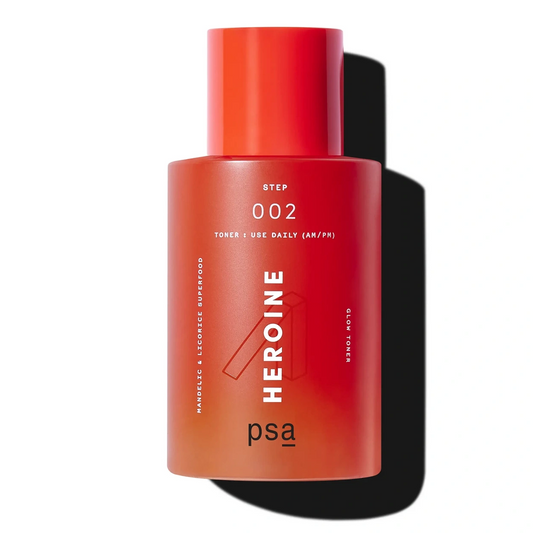 Awarded:
 Mandelic & Licorice Superfood Glow TonerRegular price $36.00Sale price $36.00 Regular priceUnit price per
$36.00 USD -
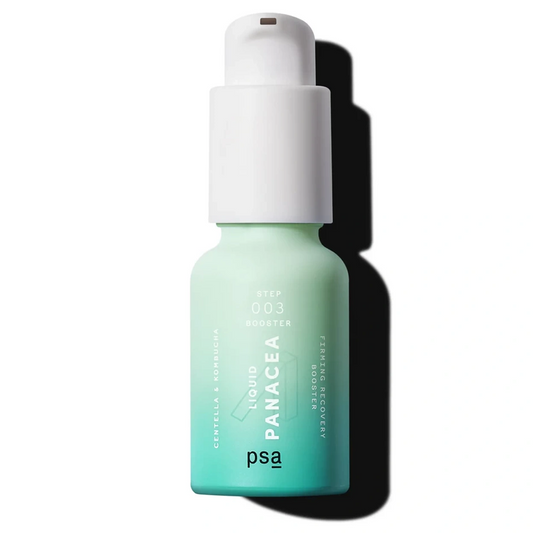 Centella & Kombucha Firming Recovery BoosterRegular price $31.00Sale price $31.00 Regular priceUnit price per
$31.00 USD -
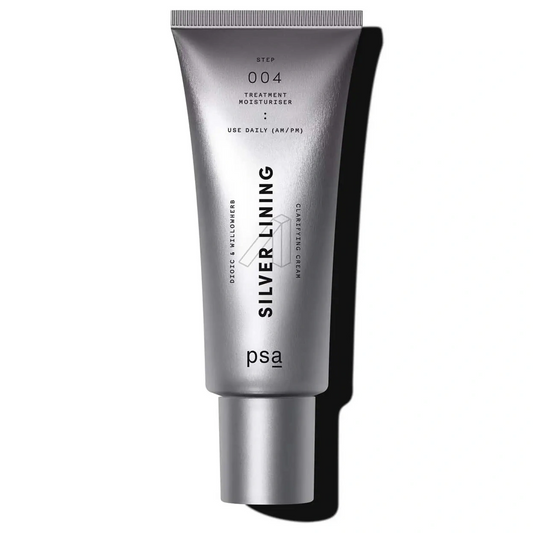 Dioic & Willowherb Clarifying CreamRegular price $38.00Sale price $38.00 Regular priceUnit price per
$38.00 USD

- Choosing a selection results in a full page refresh.
- Opens in a new window.