


You blot. You powder. You wash your face for the third time today. And by 2pm? You're shiny again.
If your oily skin won't quit no matter what you throw at it, here's the brutal truth:
Most "oil control" products are making it worse.
Mattifying primers, harsh foaming cleansers, alcohol-heavy toners, oil-absorbing masks, they all do the same thing. They remove oil from the surface. Your skin panics. It produces more oil to compensate.
You're stuck in the rebound cycle. Strip, overproduce, strip, overproduce.
The fix isn't more stripping. It's regulating oil at the source. And that's where Zinc PCA comes in.
The Rebound Oil Cycle (Why You Can't Win)
Here's what's happening every time you use an aggressive oil-control product:
-
You strip oil from your skin's surface
-
Your skin detects moisture loss
-
Sebaceous glands kick into overdrive to replace it
-
You produce MORE oil than before
-
You strip it again
-
Repeat forever
Your oily skin is now even oilier than it was naturally. Congrats.
This isn't your fault. It's biology. Your skin's job is to maintain itself. When you mess with that constantly, it overcorrects.
Why You're Actually Oily (It's Not What You Think)
Excess oil production isn't just genetics. These are the real triggers:
1. Dehydration
Oily skin is often dehydrated skin in disguise. When your skin lacks water, it produces extra oil to prevent moisture loss.
Sign you're dehydrated, not just oily: Your skin is shiny but also feels tight. You're greasy but flaky. Makeup separates or sits weirdly.
Hydrate. Yes, even with oily skin. Water and oil aren't the same thing.
2. Compromised Barrier
If you've been over-cleansing, over-exfoliating, or using harsh products, your barrier is damaged. Damaged barrier = more oil production to compensate.
Stop stripping. Use gentle cleansers, hydrate, repair the barrier with Niacinamide and Ceramides.
3. Stress
Cortisol (stress hormone) directly stimulates sebaceous glands. Chronic stress = chronically oily skin.
Skincare can help, but you also need to address stress. Sleep, manage cortisol, move your body.
4. Hormones
Androgens (testosterone-related hormones) increase oil production. This is why oily skin often peaks in your teens, around your period, during pregnancy, or with hormonal birth control changes.
You can't always control hormones, but you can regulate the downstream effect on your skin.
5. Using the Wrong Products
-
Heavy oils that clog pores
-
Comedogenic ingredients
-
Pore-clogging silicones
-
Products that strip and trigger rebound
Lightweight, non-comedogenic formulas. Quality over quantity.
Zinc PCA: The Oil Regulator Most People Don't Know About
Zinc PCA isn't a celebrity ingredient. It doesn't trend on TikTok. But it does something most oil-control ingredients can't: it regulates sebum production at the source.
What Zinc PCA Actually Does:
1. Reduces sebum production. Zinc PCA tells your sebaceous glands to chill out. Not by stripping oil from the surface, by signaling the glands themselves to produce less.
2. Antimicrobial properties. Zinc kills the bacteria (C. acnes) that cause breakouts. Less bacteria = fewer breakouts = less inflammation = less oily skin behavior.
3. Anti-inflammatory. Reduces the inflammation that often accompanies oily, breakout-prone skin. Less inflammation = your skin stops freaking out and overproducing oil.
4. Doesn't strip or dehydrate. Unlike harsh astringents, Zinc PCA regulates oil without compromising your barrier. No rebound effect.
Why It's Different From Other "Oil Control" Ingredients:
|
Ingredient |
How It Works |
Problem |
|
Witch Hazel (with alcohol) |
Strips surface oil |
Triggers rebound, damages barrier |
|
Clay |
Absorbs oil temporarily |
Doesn't address production, strips with overuse |
|
Mattifying silicones |
Cosmetic illusion |
Doesn't regulate oil, can clog pores |
|
Salicylic Acid (BHA) |
Dissolves oil in pores |
Doesn't regulate production, can over-dry |
|
Zinc PCA |
Regulates sebaceous glands |
Actually fixes the problem |
Most "oil control" is reactive (deal with the oil that's already there). Zinc PCA is proactive (tell your skin to produce less in the first place).
The Power Couple: Zinc PCA + Niacinamide
Zinc PCA works well on its own. It works spectacularly with Niacinamide.
Niacinamide also regulates sebum, but through a different mechanism. Combined, they:
-
Reduce oil production by up to 30-40% combined
-
Strengthen the skin barrier (preventing rebound oil)
-
Minimize pore appearance
-
Reduce inflammation
-
Fade post-breakout marks
This combo is found in PSA's DEW HALO Mist (5% Niacinamide + Zinc PCA), which works like a reset button for oily skin throughout the day. Spritz it morning, midday, evening—it regulates oil without stripping.
For more intensive treatment, SILVER LINING combines 1% Zinc PCA with Dioic Acid and Centella to target oil + breakouts + inflammation at once. LIQUID CLARITY has 2% Zinc PCA paired with BHA and Bakuchiol—stronger formulation for active breakouts.
What to Actually Do (Stop Stripping, Start Regulating)
Step 1: Switch to a Gentle Cleanser
If your cleanser leaves your face feeling tight or "squeaky clean," it's too harsh. That tight feeling = stripped barrier = more oil incoming.
Look for:
-
Sulfate-free formulas
-
Cream or gel cleansers
-
pH-balanced (around 5.5)
Avoid:
-
Strong foaming cleansers
-
Anything with denatured alcohol
-
"Deep cleansing" formulas
Step 2: Hydrate (Yes, Really)
Stop skipping moisturizer because you're oily. Dehydrated skin produces MORE oil.
Lightweight options for oily skin:
-
Hyaluronic Acid serums
-
Gel-cream moisturizers
Step 3: Add Zinc PCA
This is where the magic happens. Find products with Zinc PCA, ideally paired with Niacinamide.
Use it:
-
Morning: After cleansing, before SPF
-
Throughout the day: As a refresher mist
-
Evening: Part of your routine
Step 4: Exfoliate Strategically (Not Daily)
Yes, exfoliation helps with congestion. But daily exfoliation strips your skin and triggers rebound oil.
The right approach:
-
BHA (Salicylic Acid) 2-3x per week max
-
Gentle AHA (Mandelic, Lactic) 1-2x per week
-
Never both on the same night
Step 5: SPF Every Day
UV damage triggers inflammation and oil overproduction. Plus, sun exposure thickens skin and makes pores look larger.
Look for: Matte-finish, non-comedogenic, lightweight SPF.
What Happens When You Stop Stripping
Most people see results in 2-4 weeks of switching from "oil control through stripping" to "oil control through regulation":
Week 1: Skin might feel weird. Maybe even a little oilier as it adjusts. Don't panic.
Week 2-3: Oil production starts to balance. Less midday shine. Fewer breakouts.
Week 4+: Visible reduction in oiliness. Smaller-looking pores. Less need for blotting and powder.
Long-term: Skin that regulates itself instead of fighting you.
The "Help, My Skin Is Oilier After Stopping My Products" Phase
This happens. It freaks people out and they go back to their old stripping routine.
Here's what's actually happening:
Your skin was overproducing oil because you'd been stripping it. When you stop, oil production doesn't immediately normalize, it takes 2-4 weeks for your sebaceous glands to recalibrate.
Push through it. The temporary increase in oil isn't your new normal. It's your skin transitioning back to balance.
If you give up at week 1, you'll never see what your skin is actually capable of when you stop fighting it.
Final Thoughts
Your oily skin keeps coming back because you keep stripping it.
The cycle:
-
Strip oil → Skin panics → Produces more oil → You strip again
The fix:
-
Gentle cleansing (no stripping)
-
Hydration (dehydration triggers oil)
-
Zinc PCA (regulates sebum at the source)
-
Niacinamide (strengthens barrier, regulates oil)
-
Strategic exfoliation (not daily)
-
SPF (prevents inflammatory oil triggers)
You can't fight your way out of oily skin with harsh products. You have to work with your skin, giving it what it needs so it stops overcompensating.
Zinc PCA does what no astringent or mattifying powder can: it tells your skin "you don't need to produce so much oil." And then your skin actually listens.
Stop blotting. Start regulating.
Related Posts


-
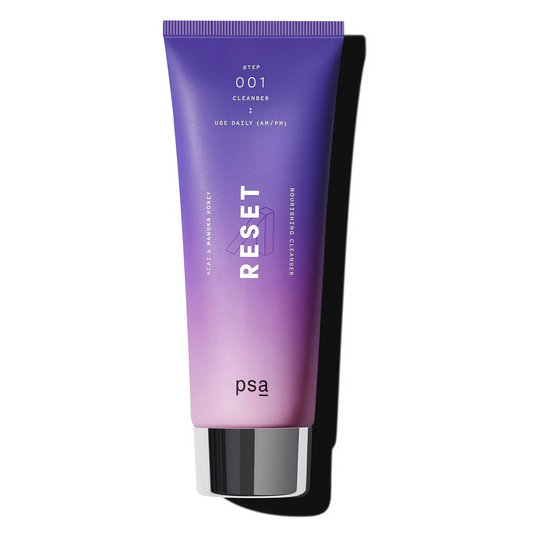 Acai & Manuka Honey Nourishing CleanserRegular price $31.00Sale price $31.00 Regular priceUnit price per
$31.00 USD -
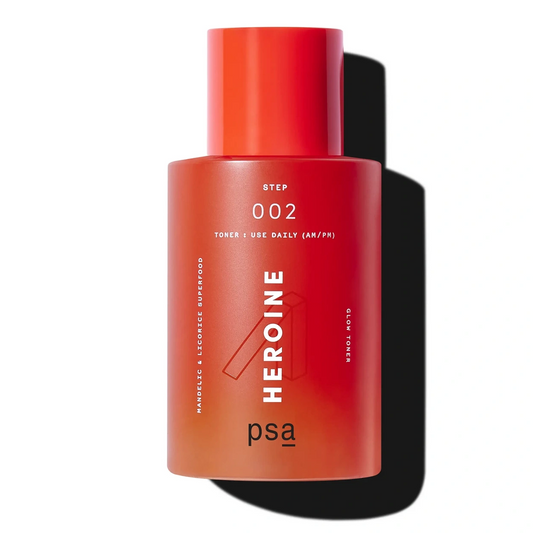 Awarded:
 Mandelic & Licorice Superfood Glow TonerRegular price $36.00Sale price $36.00 Regular priceUnit price per
$36.00 USD -
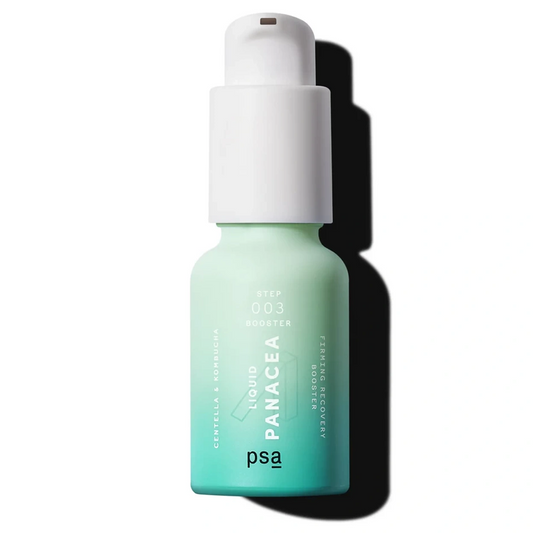 Centella & Kombucha Firming Recovery BoosterRegular price $31.00Sale price $31.00 Regular priceUnit price per
$31.00 USD -
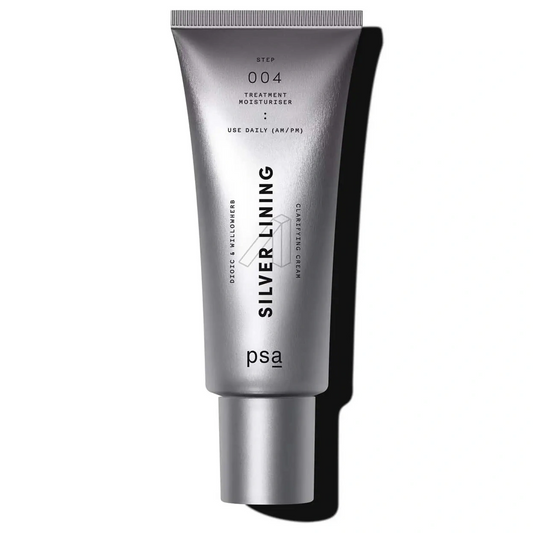 Dioic & Willowherb Clarifying CreamRegular price $38.00Sale price $38.00 Regular priceUnit price per
$38.00 USD

- Choosing a selection results in a full page refresh.
- Opens in a new window.