


If you're dealing with dark spots, post-breakout marks, or uneven skin tone, you've probably tried Vitamin C. Maybe hydroquinone. Possibly even prescription retinoids.
But there's another ingredient that's been used for centuries in traditional medicine (and is now backed by modern dermatological research) that might be exactly what your skin needs - licorice root extract.
Not the candy. The plant extract from Glycyrrhiza glabra that's been quietly outperforming expensive brightening serums without the irritation, sensitivity, or drama.
Here's why licorice root deserves a place in your routine, and how to actually use it for results.
What Is Licorice Root Extract?
Licorice root comes from the Glycyrrhiza glabra plant, used for thousands of years in Traditional Chinese Medicine and Ayurveda to treat inflammation, digestive issues, and skin conditions.
In skincare, we're specifically interested in the extract derived from the root, which contains several active compounds:
The Key Active Compounds:
1. Glabridin – The star player for brightening
-
Inhibits the enzyme that produces melanin
-
Fades hyperpigmentation without irritation
-
Anti-inflammatory and antioxidant properties
2. Liquiritin & Liquiritigenin – Supporting brightening agents
-
Disperse existing melanin in skin
-
Accelerate cell turnover to fade dark spots faster
-
Provide antioxidant protection
3. Licochalcone A – The inflammation fighter
-
Powerful anti-inflammatory
-
Antimicrobial properties (helps with breakout-related redness)
-
Soothes reactive, sensitive skin
Together, these compounds make licorice root one of the most versatile skin-improving ingredients available - brightening, calming, and protecting all at once.
What Does Licorice Root Actually Do for Your Skin?
1. Fades Hyperpigmentation & Dark Spots
This is what licorice root is most known for, and for good reason.
How it works: Glabridin inhibits the enzyme responsible for melanin production. Less tyrosinase activity = less melanin = lighter pigmentation over time.
What this helps with:
-
Post-inflammatory hyperpigmentation (PIH) – the dark marks left after breakouts heal
-
Sun spots and age spots
-
Melasma (though this requires consistent, long-term use)
-
Overall uneven skin tone
The advantage over other brightening ingredients: Unlike hydroquinone (which can cause irritation and rebound pigmentation) or high-percentage Vitamin C (which can be sensitizing), licorice root is gentle and suitable for sensitive skin.
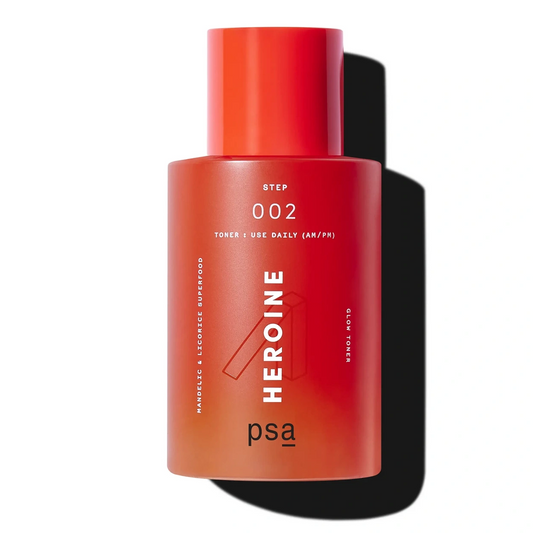
Where to find it: HEROINE Mandelic & Licorice Superfood Glow Toner features licorice root extract alongside 6% Mandelic + Lactic Acid, the acids accelerate cell turnover to bring brighter skin to the surface, while licorice root fades existing pigmentation and prevents new dark spots from forming.
2. Calms Inflammation & Redness
If your skin is red, reactive, or constantly irritated, licorice root's anti-inflammatory properties can help reset it.
How it works: Licochalcone A and glabridin both reduce inflammatory markers in skin. They calm the immune response that causes redness, swelling, and sensitivity.
What this helps with:
-
Rosacea-prone skin (reduces redness flare-ups)
-
Sensitivity from other actives (retinoids, acids)
-
General reactive, easily-irritated skin
Why this matters: Inflammation isn't just uncomfortable—it's one of the primary drivers of premature aging, hyperpigmentation, and barrier damage. Calming chronic inflammation protects your skin long-term.
Where to find it: GOALS Multi Acids & Probiotics Perfecting Night Serum pairs 12% Multi-Acids with licorice root extract to prevent the inflammation that often accompanies exfoliation. The result: smoother, clearer skin without the redness or sensitivity.
3. Protects Against Free Radical Damage
Licorice root is a potent antioxidant, meaning it neutralizes free radicals, the unstable molecules that damage skin cells and accelerate aging.
How it works: The polyphenols in licorice root (especially glabridin and liquiritin) scavenge free radicals before they can damage DNA, collagen, or lipids in your skin.
What this helps with:
-
Preventing premature aging (fine lines, wrinkles, loss of firmness)
-
Protecting against environmental stressors (pollution, UV exposure)
-
Supporting skin's natural repair processes
Where to find it: LIQUID CLARITY BHA & Bakuchiol Blemish Recovery Booster combines licorice root with 2% BHA and antioxidant-rich botanicals to not only treat existing blemishes but protect skin from oxidative stress that can worsen breakouts and slow healing.
4. Controls Oil Production & Sebum Regulation
Surprisingly, licorice root can help regulate sebum production, making it useful for both dry and oily skin types.
How it works: Certain compounds in licorice root modulate the activity of sebaceous glands, reducing excess oil without stripping or drying skin.
What this helps with:
-
Oily, shiny skin (especially T-zone)
-
Breakout-prone skin (excess sebum = more clogged pores)
-
Combination skin (balances oil production without over-drying)
The key: Licorice root regulates oil, it doesn't strip it. Your skin stays balanced, not dehydrated.
5. Soothes Irritation from Other Actives
If you're using strong actives like retinoids, Vitamin C, or AHAs/BHA, licorice root can act as a buffer, allowing you to get the benefits of those ingredients without as much irritation.
How it works: Its anti-inflammatory properties calm the reactive response that actives can trigger, especially in sensitive or compromised skin.
Why this matters: Many people stop using effective actives because their skin can't tolerate them. Adding licorice root to the formula (or layering it in your routine) can increase tolerance and consistency, which means better long-term results.
Licorice Root vs. Other Brightening Ingredients
How does licorice root compare to the heavy hitters in brightening skincare?
|
Ingredient |
Brightening Power |
Irritation Risk |
Best For |
|
Hydroquinone |
Very High |
High (can cause sensitization, rebound pigmentation) |
Stubborn melasma (short-term use only) |
|
Vitamin C (L-Ascorbic Acid) |
High |
Medium (can sting, oxidize, cause sensitivity) |
Overall brightening, antioxidant protection |
|
Kojic Acid |
Medium-High |
Medium (can irritate, some people allergic) |
Dark spots, melasma |
|
Medium |
Low |
Even tone, barrier support, oil control |
|
|
Alpha Arbutin |
Medium |
Low |
Gentle brightening, all skin types |
|
Licorice Root Extract |
Medium |
Very Low |
Post-breakout marks, sensitive skin, inflammation + brightening |
|
Tranexamic Acid |
High |
Low-Medium |
Melasma, stubborn pigmentation |
Licorice root's advantage: It's one of the only brightening ingredients that also actively reduces inflammation. This makes it ideal for people who deal with pigmentation caused by breakouts, redness, or reactive skin, where harsher brightening agents would make the problem worse.
Who Should Use Licorice Root in Skincare?
You'll benefit from licorice root if you have:
Post-breakout dark spots – Licorice root fades PIH without irritating already-sensitive healing skin
Redness or rosacea – Anti-inflammatory properties calm chronic redness
Uneven skin tone – Gentle, consistent brightening without harsh actives
Sensitive skin – Can't tolerate Vitamin C or hydroquinone but still want brightening benefits
Stressed, reactive skin – Licorice root addresses both the inflammation and resulting pigmentation from stress-triggered skin issues (hello, psychodermatology)
Oily or combination skin – Helps regulate sebum without over-drying
Anyone using strong actives – Acts as a buffer to reduce irritation from retinoids, acids, or Vitamin C
You might want to skip it if:
You're allergic to licorice (rare, but possible)
You're looking for instant results – Licorice root works gently over 4-8 weeks, not overnight
That's it. Licorice root is one of the most universally well-tolerated skincare ingredients. If you have skin, you can probably use it.
How to Use Licorice Root in Your Routine
Licorice root extract works best when used consistently, layered with complementary ingredients, and given time to work (we're talking weeks, not days).
Best Practices:
1. Use it in the morning for antioxidant protection - Licorice root's free radical-scavenging properties make it ideal for daytime use alongside SPF. It helps protect against environmental damage throughout the day.
2. Pair it with exfoliating acids for faster brightening - Acids (AHAs, BHA, Mandelic Acid) remove dead skin cells and accelerate cell turnover, bringing fresh skin to the surface. Licorice root fades the pigmentation in those cells and prevents new dark spots from forming. Together, they're more effective than either alone.
Example: HEROINE Mandelic & Licorice Superfood Glow Toner does exactly this. 6% Mandelic + Lactic Acid exfoliates while licorice root brightens and calms. Use after cleansing, before serums.
3. Layer with Niacinamide for enhanced brightening - Niacinamide and licorice root work synergistically. Niacinamide blocks melanosome transfer (melanin moving from one cell to another), while licorice root inhibits melanin production. Double attack on pigmentation.
Example: Use HEROINE Toner (contains licorice root) followed by VISIBLE IMPROVEMENT Serum (10% Niacinamide) for maximum brightening effect.
4. Combine with anti-inflammatory ingredients for stressed skin - If your pigmentation is stress-related (cortisol-triggered inflammation leading to dark spots), pair licorice root with ingredients that address the stress-skin connection: Centella Asiatica, Kombucha, Bisabolol, Panthenol.
Example: LIQUID PANACEA Centella & Kombucha Booster (calms stress response) + HEROINE Toner (brightens and soothes) = stress-triggered pigmentation addressed at both the biological trigger and visible symptom level.
5. Give it at least 4-6 weeks - Licorice root is gentle, which means it works gradually. You won't see overnight transformation, but consistent use over 4-8 weeks shows measurable improvement in pigmentation, redness, and overall tone.
Patience pays off. Gentle, consistent results are better than harsh, fast results that wreck your barrier and cause rebound issues.
Sample Routines Featuring Licorice Root:
Morning Routine (Brightening + Protection):
-
Serum – VISIBLE IMPROVEMENT Peptides & Niacinamide Serum (10% Niacinamide for enhanced brightening)
-
Moisturize – Lightweight moisturizer or SILVER LINING if breakout-prone
-
SPF – Non-negotiable (pigmentation worsens with sun exposure)
Evening Routine (Exfoliate + Brighten + Repair):
-
Cleanse – RESET Cleanser (double cleanse if wearing SPF/makeup)
-
Tone – HEROINE Toner (licorice root + gentle acids)
-
Treatment – LIQUID CLARITY BHA & Bakuchiol Booster if dealing with active breakouts (contains licorice root for post-blemish brightening)
-
Serum – LIQUID PANACEA Centella & Kombucha Booster (anti-inflammatory, barrier repair)
-
Moisturize/Oil – MIDNIGHT COURAGE Rosehip & Bakuchiol Night Oil (supports overnight skin renewal)
Weekly Treatment (Targeted Brightening):
-
1x per week: FOLLOW THE LIGHT Multi Acids & Vitamin C Radiance Peel (exfoliates and brightens with 10.5% acids + 5% Vitamin C)
-
Follow with soothing, hydrating products to support skin as it renews
Common Questions About Licorice Root in Skincare
Is licorice root the same as licorice candy?
No. The candy is flavored with licorice extract, but it's heavily processed and loaded with sugar. Skincare uses purified extract from the root, which contains the active compounds (glabridin, liquiritin) that benefit skin. Don't rub candy on your face.
Can licorice root lighten my natural skin tone?
No. Licorice root inhibits excess melanin production (hyperpigmentation, dark spots) but does not bleach or lighten your natural skin tone. It evens tone by reducing areas of excess pigmentation, not by making your entire complexion lighter.
How long does it take to see results?
Most people see noticeable improvement in dark spots and overall tone after 4-6 weeks of consistent daily use. Stubborn pigmentation (melasma, deep sun damage) can take 8-12 weeks or longer.
Key: Consistency matters more than concentration. Daily use of a well-formulated product beats sporadic use of a higher percentage.
Can I use licorice root with other brightening ingredients?
Yes. In fact, it works better when combined with complementary brightening agents:
-
With Niacinamide – Synergistic brightening effect
-
With Vitamin C – Antioxidants + tyrosinase inhibition
-
With AHAs/BHA – Exfoliation + pigmentation fading
-
With Tranexamic Acid – For stubborn melasma
What to avoid: Layering multiple high-percentage actives at once (this is about irritation risk, not licorice root specifically). Start slow, build tolerance.
Is it safe for sensitive skin?
Yes. Licorice root is one of the gentlest brightening ingredients available. It's anti-inflammatory, so it actually soothes sensitive skin while improving tone. If you can't tolerate Vitamin C or hydroquinone, licorice root is an excellent alternative.
Can I use it during pregnancy?
Topical licorice root extract in skincare is generally considered safe during pregnancy (unlike oral licorice supplements, which are not recommended). However, always consult your doctor before adding new skincare ingredients during pregnancy.
Does it work on all skin tones?
Yes. Licorice root works by inhibiting excess melanin production, which is relevant for all skin tones dealing with hyperpigmentation. It's particularly useful for darker skin tones, which are more prone to post-inflammatory hyperpigmentation (PIH) after breakouts or irritation.
Can it replace hydroquinone?
For mild to moderate hyperpigmentation, yes—licorice root can be an effective, gentler alternative to hydroquinone. For severe melasma or very stubborn pigmentation, hydroquinone (under dermatologist supervision) may still be more effective, but many people successfully manage pigmentation with licorice root + Niacinamide + acids + SPF.
The Psychodermatology Connection: Stress, Inflammation, and Dark Spots
Stress-induced inflammation is one of the primary causes of hyperpigmentation.
When you're chronically stressed, your body releases cortisol. Cortisol triggers inflammation in skin. Inflammation stimulates melanocytes (the cells that produce melanin) to go into overdrive. That results in dark spots, uneven tone, post-breakout marks that linger for months.
This is where licorice root's dual action becomes powerful:
-
Calms inflammation (addresses the cortisol-triggered response)
-
Inhibits melanin production (treats the resulting pigmentation)
Most brightening ingredients only address melanin. Licorice root addresses both the trigger (inflammation) and the symptom (pigmentation). This is especially important for people whose dark spots are stress-related—addressing pigmentation without addressing inflammation is treating half the problem.
Why PSA Includes Licorice Root in Key Formulas
Licorice root isn't trendy. It doesn't have the marketing appeal of "snail mucin" or "gold peptides." It's just effective.
That's exactly why it's in PSA Skincare products.
We don't formulate based on what's Instagram-worthy. We formulate based on what's clinically proven to work, without irritation, for real skin dealing with real stress.
Licorice root fits PSA's philosophy:
✅ Clinically effective (decades of research backing it)
✅ Gentle and well-tolerated (suitable for stressed, reactive skin)
✅ Multi-functional (brightens, calms, protects—no single-note ingredients)
✅ Addresses inflammation (pigmentation is often an inflammatory response)
✅ Works synergistically (enhances efficacy of acids, Niacinamide, Vitamin C)
Final Thoughts: Licorice Root Is the Quiet Overachiever
Licorice root won't make headlines. It won't go viral on TikTok. It won't promise overnight miracles.
But if you're dealing with post-breakout marks, uneven tone, redness, or inflammation-driven pigmentation, and you want results without irritation, licorice root is one of the most effective, well-tolerated ingredients you can use.
The key to results is consistency. Use it daily for 4-8 weeks. Pair it with complementary ingredients. Protect with SPF (always).
Your skin needs ingredients that actually work, formulated to penetrate skin, without causing more problems than they solve.
Licorice root is one of those ingredients.
Related Posts


-
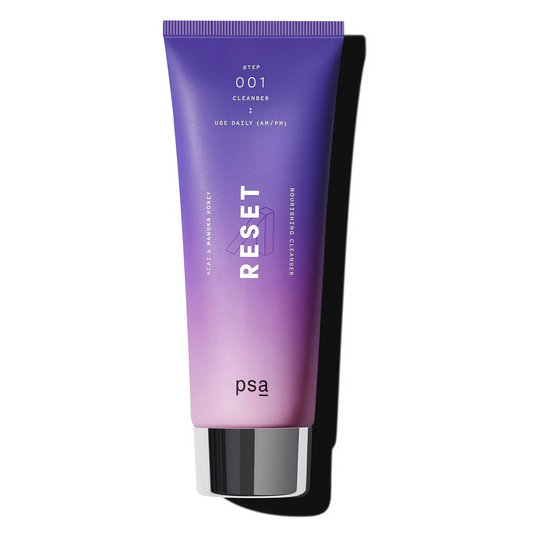 Acai & Manuka Honey Nourishing CleanserRegular price £30.00Sale price £30.00 Regular priceUnit price per
 -
 Awarded:
 Mandelic & Licorice Superfood Glow TonerRegular price £35.00Sale price £35.00 Regular priceUnit price per
 -
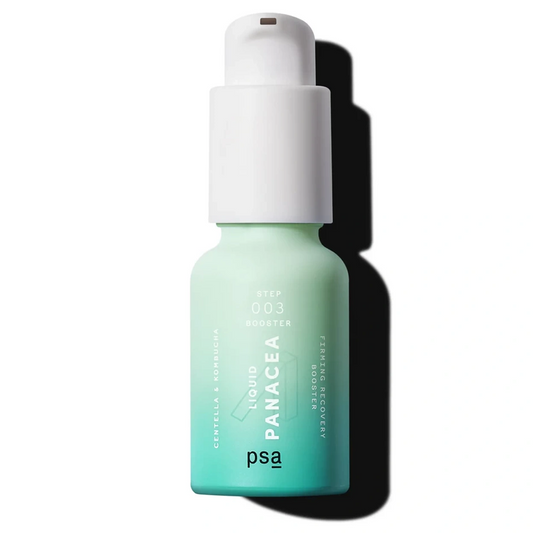 Centella & Kombucha Firming Recovery BoosterRegular price £30.00Sale price £30.00 Regular priceUnit price per
 -
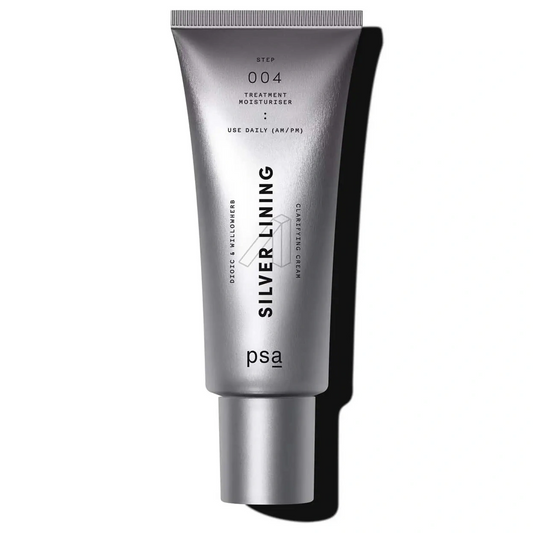 Dioic & Willowherb Clarifying CreamRegular price £37.00Sale price £37.00 Regular priceUnit price per

- Choosing a selection results in a full page refresh.
- Opens in a new window.