


If you've been scanning ingredient lists lately, you've probably noticed bisabolol appearing more frequently—and for good reason. This understated powerhouse has been quietly working behind the scenes in skincare formulations for decades, but it's only recently getting the recognition it deserves.
Bisabolol (specifically α-bisabolol, also known as levomenol) is a naturally occurring compound that's become essential in modern skincare, particularly for anyone dealing with stressed, reactive, or inflamed skin. It's not flashy. It doesn't promise overnight transformations. But it delivers consistent, research-backed results where it matters most: calming inflammation, supporting barrier function, and helping skin reset.
Here's everything you need to know about this gentle yet effective ingredient.
The Science Behind Bisabolol
Bisabolol is a type of alcohol—a plant-derived compound with a unique molecular structure that gives it exceptional skin-penetrating and soothing properties. It's a colorless, viscous oil with a subtle sweet floral aroma, often described as reminiscent of chamomile.
Where It Comes From
Bisabolol was first isolated in 1951 from German chamomile (Matricaria chamomilla), where it constitutes a major component of the essential oil. Today, most commercially sourced bisabolol comes from:
-
German chamomile – The original and most well-known source
-
Candeia tree (Vanillosmopsis erythropappa) – A Brazilian tree whose bark yields high concentrations of bisabolol, now the primary commercial source
-
Other botanical sources – Including cannabis cultivars, African alpine sage, and various aromatic plants
Bisabolol can also be synthetically produced, though the naturally derived bisabolol form shows approximately twice the biological activity compared to synthetic mixtures.
Chemical Properties That Matter
What makes bisabolol particularly effective in skincare is its molecular behavior:
-
Poorly soluble in water and glycerin – making it ideal for oil-based and emulsion formulations
-
Soluble in ethanol – allowing versatile formulation options
-
Excellent skin penetration – studies show bisabolol penetrates quickly from the outermost to innermost layers of skin within hours
-
Enhanced absorption properties – it doesn't just penetrate itself; it helps other active ingredients absorb more effectively
This last point is crucial: bisabolol acts as a penetration enhancer, temporarily modifying the outer skin layer structure to improve the delivery of co-formulated actives.
How Bisabolol Works on Skin
Bisabolol's effectiveness stems from multiple complementary mechanisms working simultaneously.
Anti-Inflammatory Action
This is where bisabolol truly excels. Multiple studies demonstrate its ability to reduce inflammation through several pathways:
Cytokine inhibition: Bisabolol significantly reduces inflammatory responses in skin.
Pathway regulation: Bisabolol intercepts the cascade of events that leads to redness, swelling, and reactive skin.
Antimicrobial Properties
Bisabolol possesses both antibacterial and antifungal properties, making it particularly valuable for breakout-prone skin.
This is especially effective against gram-positive bacteria and certain fungal strains, contributing to clearer skin and reduced infection risk in compromised barriers.
Antioxidant Protection
Free radicals generated by UV exposure, pollution, and stress contribute to premature aging and inflammatory skin conditions. Bisabolol functions as a potent antioxidant, neutralizing these unstable molecules before they damage cellular components like collagen, cell membranes, and DNA.
This protective action helps maintain skin integrity and slows visible signs of aging.
Barrier Support and Healing
Bisabolol supports the skin's natural barrier function in several ways:
Moisture retention: While not a humectant itself, bisabolol helps skin maintain hydration by supporting barrier integrity and reducing transepidermal water loss (TEWL).
Wound healing: Studies demonstrate bisabolol promotes wound granulation and accelerates healing processes. It's been clinically evaluated in treating chronic leg ulcers, post-surgical wounds, and general skin injuries.
Barrier protection: Research indicates bisabolol supports the expression of key barrier proteins, helping strengthen the skin's protective outer layer.
Subtle brightening effects: While not a primary depigmenting agent, bisabolol shows mild skin-lightening properties.
What Bisabolol Does for Your Skin
Let's translate the science into practical benefits you'll actually notice.
For Stressed and Reactive Skin
If your skin feels perpetually on edge—easily irritated, quick to turn red, reactive to products or environmental changes—bisabolol addresses this at the biological level.
It doesn't just mask symptoms; it modulates the inflammatory response that makes skin reactive in the first place. This is particularly valuable for:
-
Post-procedure recovery (after peels, laser treatments, or extractions)
-
Sensitivity from overuse of actives
-
Environmental stress (pollution, weather extremes)
-
General skin barrier compromise
For Breakout-Prone Skin
Bisabolol's dual anti-inflammatory and antimicrobial action makes it ideal for acne-prone complexions. It:
-
Reduces the redness and swelling associated with inflammatory acne
-
Helps prevent bacterial proliferation that contributes to breakouts
-
Soothes post-acne irritation without clogging pores
-
Accelerates healing of blemishes and reduces post-inflammatory marks
Importantly, it does all this gently—without the irritation, dryness, or peeling that can accompany more aggressive acne treatments.
For Rosacea and Chronic Redness
Multiple studies specifically highlight bisabolol's efficacy in managing rosacea symptoms. Its anti-inflammatory action helps reduce:
-
Persistent redness and flushing
-
Inflammatory papules and pustules
-
Skin sensitivity and reactivity
-
Overall rosacea severity scores
For Sun-Exposed Skin
Research supports bisabolol's use in after-sun products for good reason. It mitigates UV-induced inflammation, reduces discomfort from sunburn, and provides antioxidant protection against photo-aging.
The skin-brain connection matters here too: sun damage triggers stress responses that bisabolol helps interrupt at the inflammatory level.
For Supporting Other Actives
This is bisabolol's underrated superpower. Because it enhances penetration of other ingredients, it makes your entire routine work more effectively.
Pairing bisabolol with:
-
Niacinamide – Enhances barrier repair and anti-inflammatory effects
-
Peptides – Improves delivery for anti-aging benefits
-
Antioxidants – Boosts absorption while providing its own antioxidant action
-
Exfoliating acids – Buffers potential irritation while enhancing efficacy
This synergistic quality is why bisabolol appears in so many well-formulated serums and treatments—it amplifies results without adding complexity.
How Bisabolol Fits Into PSA's Formulations
At PSA Skincare, we formulate with intentionality. Every ingredient earns its place by serving a clear purpose in supporting skin health, particularly in relation to the skin-brain connection and stress-related skin issues.
Bisabolol aligns perfectly with our approach:
It calms the inflammations that stress triggers in skin.
It supports barrier function without complexity. Stressed skin needs simplified care that actually works—not more products to overwhelm an already compromised barrier.
It enhances other purposeful ingredients in our formulations, making the entire routine more effective without adding steps.
You'll find bisabolol (listed as Bisabolol L-alpha in ingredient lists) working throughout PSA products including:
-
VISIBLE IMPROVEMENT – Calming potential irritation from high-percentage actives
-
GOALS – Soothing alongside exfoliating acids for overnight renewal
-
HEROINE – Supporting barrier function while gently exfoliating
-
THE MOST – Enhancing hydration and calming stressed, dehydrated skin
-
SILVER LINING – Reducing inflammation in breakout-prone skin
-
LIQUID CLARITY – Soothing while targeting blemishes
-
LIQUID PANACEA – Supporting recovery and reducing reactivity
In every formula, bisabolol serves as a supporting player that makes everything work better—calming, soothing, and enhancing without demanding attention.
Concentration and Safety
How Much Bisabolol is Effective?
Efficacy starts at concentrations ranging from 0.1% to 1%, with most cosmetic formulations using 0.1-0.5%.
PSA formulations strategically incorporate bisabolol at concentrations shown to be effective in research, typically within this proven range. You don't need high percentages for bisabolol to work—consistency and formulation quality matter more than concentration alone.
Is Bisabolol Safe?
Extensively. The Cosmetic Ingredient Review (CIR) Expert Panel has deemed bisabolol safe for use in cosmetics and personal care products.
The primary caution: individuals with allergies to plants in the Asteraceae (Compositae) family—including chamomile, ragweed, or chrysanthemums—should patch test products containing bisabolol, as cross-reactivity is possible.
Important Note on Penetration Enhancement
Because bisabolol enhances the absorption of other ingredients, formulators must be thoughtful about what else goes into the product. This is why ingredient quality and intentional formulation matter.
At PSA Skincare, we only include ingredients that improve skin health—so bisabolol's penetration-enhancing properties work in your favor, delivering beneficial actives more effectively without increasing the risk of irritation.
How to Use Products with Bisabolol
The beauty of bisabolol is its versatility. It works in virtually any step of your routine:
Morning: Look for it in serums, moisturizers, and SPF products to calm and protect throughout the day.
Evening: Bisabolol in nighttime treatments helps soothe skin while you sleep and enhances the absorption of other active ingredients working overnight.
As needed: Products with bisabolol are excellent for calming reactive moments—after sun exposure, post-treatment recovery, or whenever skin feels stressed.
Combining with Other Actives
Bisabolol plays exceptionally well with others:
With exfoliating acids (AHAs, BHA, mandelic acid): Bisabolol buffers potential irritation without compromising efficacy. This is why it appears in both GOALS and HEROINE—to ensure gentle yet effective exfoliation.
With retinoids and bakuchiol: It soothes the adjustment period and ongoing use, reducing the redness and sensitivity that can accompany these powerful anti-aging actives.
With niacinamide: The combination amplifies anti-inflammatory effects and barrier support, making both ingredients work more effectively.
With centella asiatica and other adaptogens: This pairing is particularly powerful for stress-related skin issues, addressing both the skin-brain connection and direct inflammatory pathways.
The key is consistency. Bisabolol delivers cumulative benefits over time, not dramatic overnight results.
Bisabolol vs. Other Soothing Ingredients
How does bisabolol compare to other calming ingredients?
Bisabolol vs. Aloe Vera
Aloe vera is excellent for immediate cooling relief and surface hydration, particularly for sunburn. However, bisabolol penetrates deeper, provides sustained anti-inflammatory action, and enhances absorption of other actives. They work well together, with aloe providing instant comfort and bisabolol offering longer-term inflammatory modulation.
Bisabolol vs. Calendula
Calendula has similar anti-inflammatory and healing properties but is typically used in higher concentrations. Bisabolol is more cosmetically elegant (no color, less fragrance) and acts as a penetration enhancer, making it more versatile in modern formulations.
Bisabolol vs. Allantoin
Allantoin is primarily a keratolytic (helps shed dead skin cells) with mild soothing properties. Bisabolol offers more robust anti-inflammatory action and penetration enhancement. Many formulations include both for their complementary effects.
Final Thoughts on Bisabolol
In a skincare world obsessed with hero ingredients and dramatic before-and-afters, bisabolol operates differently. It's not the star of the show—it's the supporting player that makes everything work better.
This is exactly the kind of ingredient that matters when you're dealing with overwhelmed, reactive, stressed skin. It doesn't overpromise. It doesn't add complexity. It simply does what it's supposed to do: calm inflammation, support healing, enhance absorption, and help skin function optimally.
Your skin doesn't need more drama. It needs ingredients like bisabolol that actually deliver on their promises.
FAQ
Is bisabolol the same as chamomile?
No, but they're related. Bisabolol is one of the primary active compounds found in German chamomile essential oil. When you use a product with bisabolol, you're getting a concentrated, standardized form of chamomile's soothing properties.
Can I use bisabolol if I'm allergic to chamomile?
Possibly not. If you have a confirmed allergy to chamomile or other plants in the Asteraceae family (ragweed, chrysanthemums, marigolds), perform a patch test before using bisabolol products, as cross-reactivity can occur.
Does bisabolol work for all skin types?
Yes. Bisabolol is suitable for all skin types, but it's particularly beneficial for sensitive, reactive, breakout-prone, or rosacea-affected skin. Even if your skin isn't particularly sensitive, bisabolol's ability to enhance absorption and provide antioxidant protection makes it valuable.
Will bisabolol interfere with my other skincare products?
No—in fact, it enhances them. Bisabolol's penetration-enhancing properties mean the beneficial ingredients in your routine absorb more effectively. Just ensure you're using high-quality formulations where all ingredients are chosen intentionally.
How long does it take to see results from bisabolol?
For immediate soothing effects, you may notice reduced redness and discomfort within hours to days. For longer-term benefits like improved barrier function and reduced overall reactivity, consistent use for 4-6 weeks typically shows measurable improvements.
Can I use bisabolol during pregnancy?
Current evidence suggests topical bisabolol is safe during pregnancy at the concentrations used in cosmetics (0.1-1%). However, as with any ingredient during pregnancy, consult your healthcare provider if you have concerns.
Why don't I see bisabolol in more products?
You probably do—you just might not notice it. Bisabolol isn't a marketing ingredient; it doesn't generate the excitement of retinol or vitamin C. But well-formulated products increasingly include it because formulators know its value in creating effective, well-tolerated skincare.
Key Takeaways:
Bisabolol is a naturally derived soothing agent with proven anti-inflammatory, antimicrobial, antioxidant, and penetration-enhancing properties. It works across multiple pathways to calm reactive skin, support barrier function, and enhance the efficacy of co-formulated actives. Bisabolol represents the kind of thoughtful, research-backed ingredient that matters when building an effective skincare routine—particularly for stressed, overwhelmed, or reactive skin.
It's not flashy. But it works. And that's exactly what your skin needs.
Related Posts


-
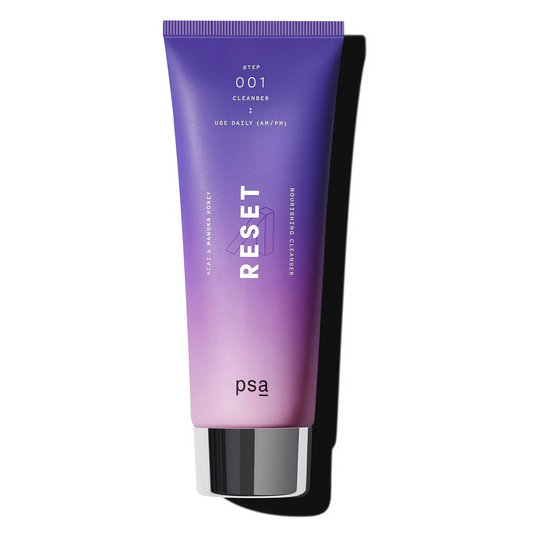 Acai & Manuka Honey Nourishing CleanserRegular price £30.00Sale price £30.00 Regular priceUnit price per
 -
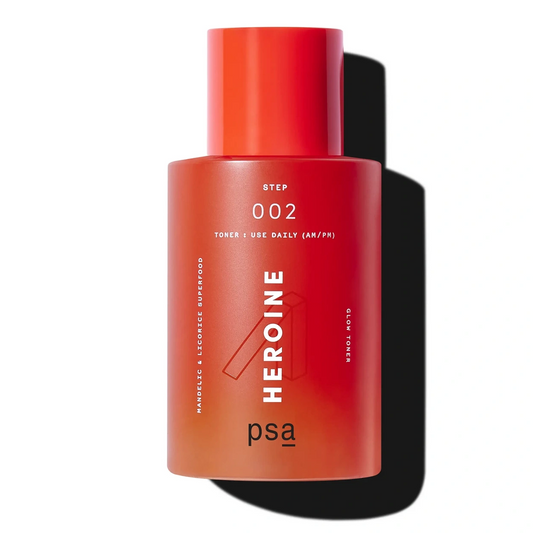 Awarded:
 Mandelic & Licorice Superfood Glow TonerRegular price £35.00Sale price £35.00 Regular priceUnit price per
 -
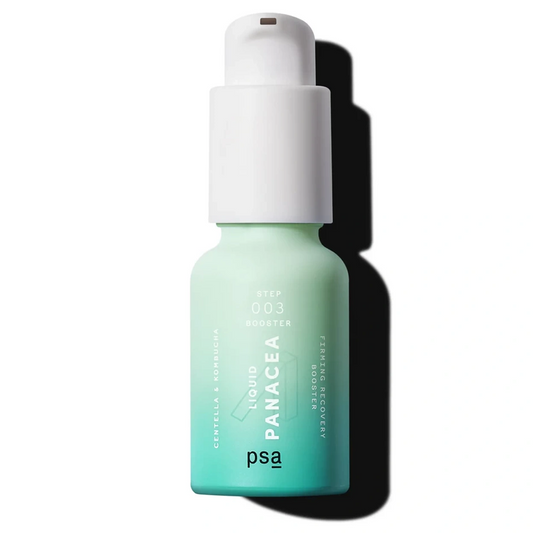 Centella & Kombucha Firming Recovery BoosterRegular price £30.00Sale price £30.00 Regular priceUnit price per
 -
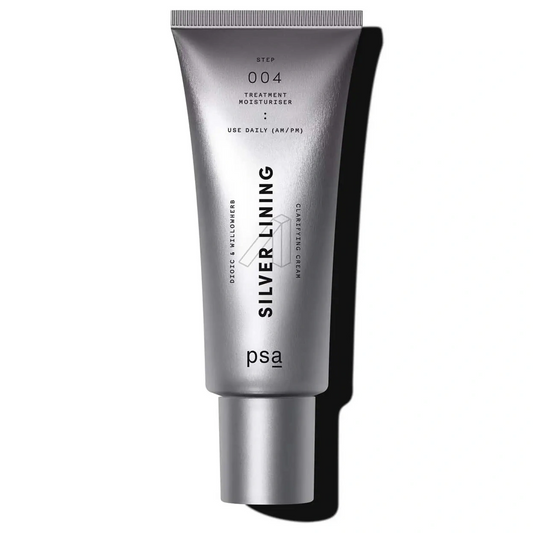 Dioic & Willowherb Clarifying CreamRegular price £37.00Sale price £37.00 Regular priceUnit price per

- Choosing a selection results in a full page refresh.
- Opens in a new window.