


Sleep is more than rest. It’s your skin’s repair shift—the hours when cells restore balance, rebuild collagen, and reinforce the barrier that protects you. Miss that shift, and the proof shows up fast: skin looks flat, blemishes flare, and fine lines settle in sooner than they should. The bigger issue? Sleep debt doesn’t just change how your skin looks today—it chips away at its long-term resilience. Think of sleep as your most effective active ingredient. Every product you use works harder when your body is in recovery mode.
Why Skin Heals While You Sleep
Your skin runs on a circadian rhythm, just like the rest of your body. By day, its priority is defense—antioxidants peak to fight UV and pollution. By night, it flips into repair mode. Blood flow increases, DNA damage is corrected, barrier lipids are replenished, and collagen is actively rebuilt.
When you cut sleep short, you cut that repair window short too. In one study, sleep-deprived skin took nearly twice as long to recover after irritation, with more visible fine lines and pigmentation unevenness compared to well-rested skin
Deep sleep is when growth hormone peaks, directly fueling collagen and elastin production. No shortcuts, no substitutes.
What Happens to Skin When You Don’t Sleep
Your skin tells the story of a bad night instantly. Circulation slows, leaving you with a flat, washed-out tone. Collagen repair drops off, allowing fine lines and early sagging to creep in. Cortisol climbs, which drives oil production and sparks inflammation—fuel for fresh breakouts.
Meanwhile, your barrier struggles to recover. Without enough lipid replenishment, redness and sensitivity flare more easily. And then there are the classics: dark circles and puffiness. Poor sleep dilates blood vessels and traps fluid under the eyes, making “tired skin” visible before you even open your mouth.
But it’s not just cosmetic. Chronic sleep loss weakens resilience at a cellular level. Inflammatory markers stay elevated, free radical damage builds, and antioxidant reserves never fully reset. Over time, this means faster ageing, slower healing, and more flare-ups of conditions like acne or eczema.
When sleep falls short, lean on hydration and barrier-repairing actives. Hyaluronic acid, niacinamide, and Centella Asiatica can’t replace sleep, but they’ll steady your skin until you catch up.
Stress, Cortisol, and the Skin–Brain Axis
Sleep deprivation isn’t just about tired eyes—it’s a stress signal. Cortisol levels rise, impairing wound healing, thinning the barrier, and making skin more irritable. But here’s the kicker: it’s a two-way street. Poor skin health—breakouts, sensitivity, flare-ups—also disrupts sleep quality, trapping you in a loop of stress and sleeplessness.
That’s where calming skincare helps. Stress-relief actives like niacinamide, probiotics, and Centella Asiatica can quiet visible irritation while signaling calm through the skin–brain axis. Pairing them with good sleep hygiene is one of the simplest ways to break the cycle.
Oxidative Stress, Glycation, and Ageing
Without quality sleep, your antioxidant defenses don’t reset. Free radical damage accumulates, and glycation—sugar molecules binding to collagen fibers—accelerates. This stiffens and weakens the very proteins that keep skin firm. It’s one reason chronic poor sleepers often see faster ageing.
Antioxidant-rich skincare supports this gap. Resveratrol (VISIBLE IMPROVEMENT serum), CoQ10 (MIDNIGHT COURAGE oil), and green tea (GOALS serum) give skin extra resilience against overnight oxidative stress. They don’t replace sleep, but they do add a buffer.
The Microbiome Connection
Emerging research shows poor sleep disrupts both gut and skin microbiota, weakening your barrier and worsening breakouts. That’s why probiotic-rich skincare is so valuable at night. Products like GOALS serum and SILVER LINING cream deliver topical probiotics, helping your microbiome stay balanced while your body rests.
The Search Data Speaks: What People Want to Know
One of the most common questions is whether sleep really heals skin faster. The evidence is clear: barrier recovery and wound healing both accelerate during restful nights, making sleep one of the most effective “treatments” your skin can get.
People also want to know the best skincare routine before bed. The truth? You don’t need 10 steps. A nourishing cleanse, a hydrating serum, and one targeted treatment sealed in with a light moisturizer is enough.
But can skincare replace sleep? No. No formula can mimic the hormonal shifts and collagen synthesis triggered only in deep sleep. What it can do is cushion the fallout of a short night, keeping your skin calmer, better hydrated, and more resilient until you rest.
Nutrition questions pop up too: What foods help skin recover overnight? Antioxidant-rich berries, nuts, and green tea support defenses, while steady hydration through the day prevents overnight dryness. Caffeine or alcohol too close to bed, however, interfere with both sleep and skin repair.
And the final question: what happens if you never get enough sleep? Faster ageing, more inflammation, weaker defenses. Your skin can’t fight, heal, or protect without rest. Sleep isn’t a luxury—it’s your built-in skincare.
Building a Reset Ritual for Sleep Recovery
To maximize overnight repair, keep your night routine short and effective.
-
Cleanse – RESET Cleanser removes pollutants that otherwise fuel oxidative stress overnight.
-
Treat – GOALS serum for texture and clarity, MIDNIGHT COURAGE oil for renewal, or THE MOST serum for hydration—pick one depending on your skin’s priority.
-
Seal – A calming booster like LIQUID PANACEA or a clarifying cream like SILVER LINING protects and locks everything in.
Three steps, five minutes. Then breathe deeply, put your phone away, and let both skin and mind reset.
Sleep Hygiene That Doubles as Skincare
-
Keep a consistent bedtime—your circadian rhythm loves routine.
-
Make your room cool and dark to trigger melatonin.
-
Cut blue light before bed; it not only delays sleep but also worsens pigmentation.
-
Hydrate earlier in the day, not right before bed.
-
Try mindful breathing or meditation—it lowers cortisol and preps both skin and mind for rest.
Final Thoughts
Sleep is your skin’s most reliable treatment. Miss it, and the signs show up fast—dullness, breakouts, lines that set in too soon. Protect it, and your skin rewards you with resilience, clarity, and calm.
Skincare can’t replace sleep, but it can support it. The right night ritual clears away stress signals, restores hydration, and gives your skin the actives it needs to make the most of those precious repair hours. Paired together, sleep and skincare become a cycle of recovery—resetting not just how your skin looks, but how you feel in it.
Related Posts


-
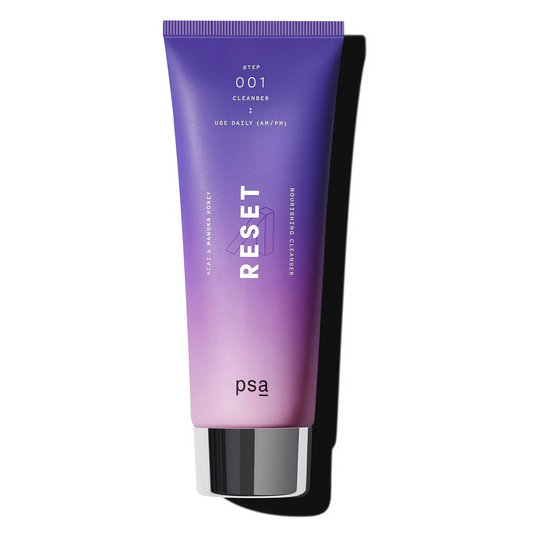 Acai & Manuka Honey Nourishing CleanserRegular price £30.00Sale price £30.00 Regular priceUnit price per
 -
 Awarded:
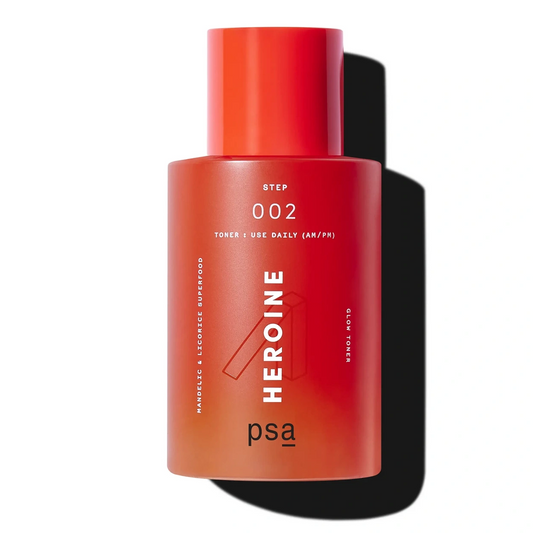
 Mandelic & Licorice Superfood Glow TonerRegular price £35.00Sale price £35.00 Regular priceUnit price per
 -
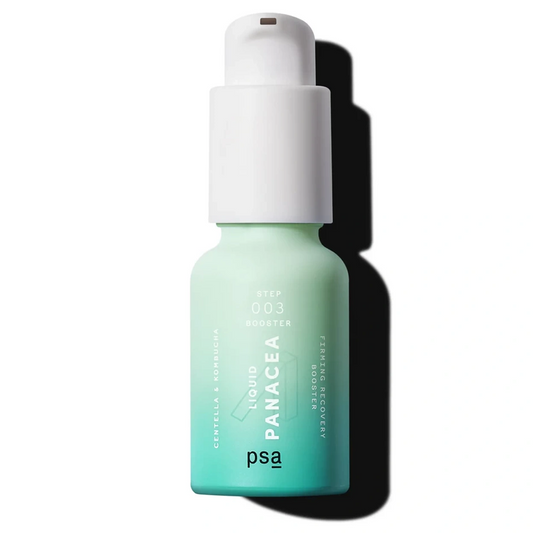 Centella & Kombucha Firming Recovery BoosterRegular price £30.00Sale price £30.00 Regular priceUnit price per
 -
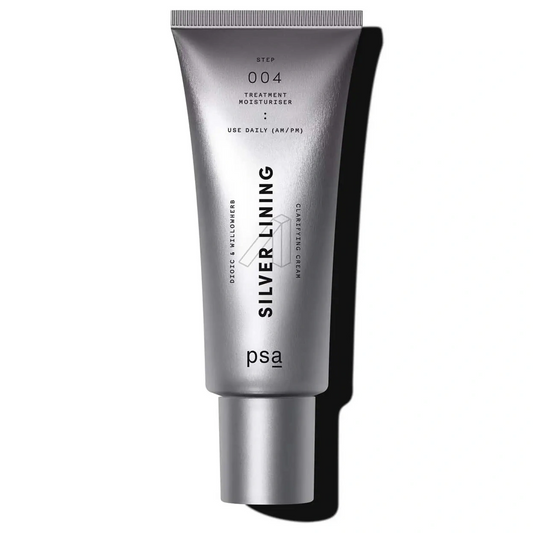 Dioic & Willowherb Clarifying CreamRegular price £37.00Sale price £37.00 Regular priceUnit price per

- Choosing a selection results in a full page refresh.
- Opens in a new window.