


Your skin is sending you signals. Maybe it's the sudden breakouts that appeared out of nowhere. The dry patches that won't quit. The redness that flares up every evening. Or maybe it's just that general sense that your complexion looks tired, reactive, and... stressed.
Here's what most people do: they add more. Another serum. A new treatment. One more "miracle" product that promises to fix everything. But when your skin is overwhelmed, adding isn't the answer. Cutting is.
The Real Culprit: The Stress-Skin Connection
Your skin isn't just reacting to what you're putting on it—it's responding to what's happening inside you. This is psychodermatology: the science of how your brain and skin communicate through a complex network called the hypothalamic-pituitary-adrenal (HPA) axis.
When you're stressed, your brain releases cortisol, the body's primary stress hormone. This isn't just about feeling anxious—cortisol triggers a cascade of physiological responses in your skin:
-
Increased inflammation that triggers breakouts and sensitivity
-
Disrupted barrier function leading to moisture loss and reactivity
-
Elevated oil production that clogs pores
-
Slowed healing that makes existing issues linger longer
-
Weakened collagen and elastin accelerating visible aging
The science is clear: chronic stress doesn't just live in your mind. It shows up on your face.
Why More Products Make It Worse
When skin is stressed, it's already in defense mode—fighting inflammation, struggling to maintain its barrier, trying to regulate oil production and retain moisture. Now imagine piling on 8-10 different products, each with multiple active ingredients competing for your skin's attention.
This is overstimulation at its worst.
Each additional product represents another potential irritant, another set of ingredients your compromised skin barrier has to process. When you're using acids, retinoids, vitamin C, niacinamide, peptides, and exfoliants all in one routine, you're not giving your skin the chance to adapt, heal, or even figure out what's helping versus what's hurting.
Overloading skin with too many products can:
-
Strip the skin's natural protective barrier
-
Trigger increased sensitivity and reactivity
-
Create "skincare anxiety"—the constant feeling that you need the next miracle treatment
-
Lead to contact dermatitis and inflammatory responses
-
Actually prevent individual products from showing their full benefits
Your skin isn't a project that needs constant intervention. It's a living organ that thrives on consistency and simplicity—especially when it's under stress.
What Actually Needs to Go
1. The 10-Step Routine
If your skin is overwhelmed, a multi-step routine is making it worse. Each additional layer is another opportunity for irritation, especially when your barrier is already compromised.
Cut it down to the essentials:
-
Cleanse
-
Treat (one targeted serum)
-
Moisturize
-
Protect (SPF in the morning)
That's it. Three to four steps, maximum. Give your skin space to breathe and actually respond to what you're using.
2. Multiple Active Ingredients at Once
Using glycolic acid, retinol, vitamin C, and BHA in the same routine isn't "maximizing results"—it's overwhelming already-stressed skin. When you're experiencing flare-ups or sensitivity, your skin needs strategic, not aggressive, intervention.
Choose one hero active based on your primary concern:
-
For breakouts: BHA like Salicylic acid
-
For dullness and texture: Mandelic acid (gentler than glycolic)
-
For barrier repair: Niacinamide with soothing adaptogens
Use it consistently for at least 4-6 weeks before evaluating if you need anything else. This is how you identify what's actually working versus what's just adding noise.
3. Harsh Physical Exfoliation
Scrubs, harsh cleansing brushes, and aggressive exfoliating tools feel productive—like you're "really cleaning" your skin. But when skin is overwhelmed, physical exfoliation often strips away the very barrier that's trying to protect and heal itself.
Replace physical exfoliation with gentle chemical exfoliation 2-3 times per week maximum. A toner with mandelic and lactic acid provides exfoliation without the trauma. Your skin doesn't need to feel "squeaky clean" to actually be clean—that tight, stripped feeling is often a sign you've gone too far.
4. Products with Fragrance and Essential Oils
This one's non-negotiable when your skin is in distress. Fragrance—whether synthetic or "natural"—is one of the most common skin irritants. Essential oils might smell lovely and feel luxurious, but they're volatile compounds that can trigger inflammation in sensitized skin.
If your skin is reactive, red, or breaking out more than usual, check your ingredient lists. Fragrance ingredients have no therapeutic benefit for skin health—they're purely cosmetic additions that increase the risk of sensitivity.
5. The Panic-Driven Product Swapping
This is the behavior pattern that keeps skin in a constant state of stress: switching products every few days or weeks because you're not seeing immediate results. This prevents your skin from adapting to any formula and makes it impossible to identify what actually helps.
Consistency beats novelty every time. When skin is overwhelmed, it needs stability—not constant change. Stick with a simplified routine for a minimum of 4 weeks before making any adjustments.
6. Hot Water and Long Showers
Hot water feels therapeutic, but it's stripping your skin's natural lipid barrier—the first line of defense against dehydration and external irritants. If your skin feels tight, dry, or more reactive after cleansing, your water temperature is probably too high.
Use lukewarm water for cleansing and keep your routine efficient. Your skin doesn't need a 15-minute face massage under running water; it needs gentle, quick cleansing that preserves its natural moisture.
7. Skipping Hydration for "Oil Control"
If you have oily or breakout-prone skin, you might think skipping moisturizer will reduce oiliness. This backfires spectacularly. When skin is dehydrated, it compensates by producing more oil. When it's stressed and stripped of moisture, it produces even more.
Hydration is essential for all skin types, especially when skin is overwhelmed. Look for lightweight, non-comedogenic moisturizers that support barrier function without clogging pores. A properly hydrated complexion is less reactive, heals faster, and shows fewer stress-related symptoms.
The Reset Ritual: What to Keep
When you strip away the excess, here's what actually matters:
Morning
-
Gentle cleanse – Remove overnight buildup without stripping (RESET Cleanser)
-
Hydrating mist – Prep skin and boost moisture (DEW HALO Mist with 5% Niacinamide)
-
Targeted treatment – One serum addressing your primary concern (THE MOST for hydration, VISIBLE IMPROVEMENT for brightening)
-
Moisture + protection – Lightweight moisturizer and SPF
Evening
-
Gentle cleanse – Remove the day without aggression
-
Hydrating mist – Reset and prep
-
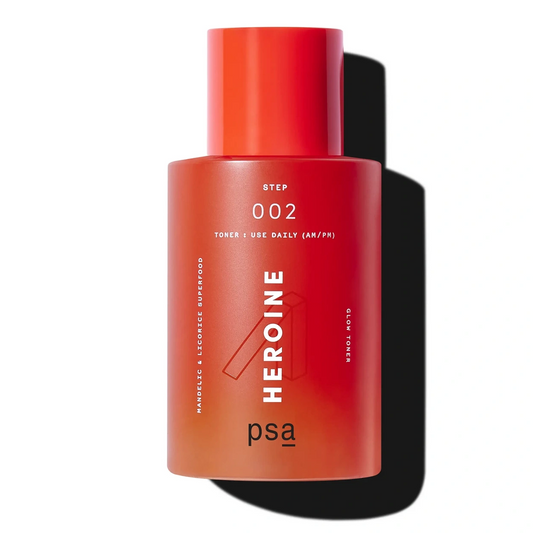
Treatment serum – Your chosen active (HEROINE Toner for gentle exfoliation, LIQUIT CLARITY for spots and LIQUID PANACEA for barrier support)
-
Moisture – Rich repair (SILVER LINING for breakout-prone skin, or layer moisturizer with facial oil)
This is intentional minimalism. Every product serves a clear purpose. Nothing is redundant. Your skin gets what it needs without the noise.
Why Adaptogens and Calming Actives Matter
When skin is overwhelmed, it needs ingredients that work with the skin-brain connection—not against it. This is where adaptogens and psychodermatology-informed formulations make the difference.
Centella Asiatica – Works on two levels: it calms the nervous system's stress response while repairing the skin barrier. Studies show it reduces inflammation and accelerates wound healing.
Kombucha and Probiotics – Support the skin's microbiome and provide antioxidant protection, helping stressed skin defend itself against environmental aggressors.
Bisabolol and Panthenol – Soothe inflammation and support barrier repair, reducing the reactivity that makes overwhelmed skin so sensitive.
Niacinamide – A multi-tasking powerhouse that regulates oil production, fades post-inflammatory marks, and strengthens the barrier—all without triggering additional sensitivity.
These aren't trendy ingredients—they're backed by research on how stress manifests in skin and what actually helps the skin reset at a biological level.
The Mental Reset Matters Too
Here's what skincare brands won't tell you: you can't "product" your way out of chronic stress. If your skin is overwhelmed because your life is overwhelming, the solution isn't just topical—it's holistic.
Consider what's feeding the stress cycle:
-
Are you sleeping enough? (Skin repair happens during deep sleep)
-
Are you managing stress through movement, meditation, or therapy?
-
Are you giving yourself permission to simplify—not just your skincare, but your life?
The most effective skincare routine supports you, not stresses you. It fits into your life in five minutes, not thirty. It removes decision fatigue instead of adding to it.
When to Seek Professional Help
Sometimes overwhelmed skin needs more than simplified routines. Consult a dermatologist if you're experiencing:
-
Sudden, severe breakouts that don't respond to over-the-counter treatments
-
Persistent redness, inflammation, or pain
-
Eczema, psoriasis, or rosacea that's worsening
-
New skin lesions or changes that concern you
-
Chronic dryness or irritation that impacts your daily comfort
Your skin is signaling that something deeper needs attention—whether that's a medical condition, a hormonal imbalance, or a stress level that requires professional support.
Final Thoughts
When your skin is overwhelmed, the solution isn't to add more—it's to cut the excess, simplify ruthlessly, and give your skin what it actually needs: consistency, gentleness, and space to reset.
You need a sustainable approach that addresses the skin-brain connection and recognizes that your skin doesn't need more intervention—it needs intentional care.
Clear the clutter. Simplify the steps. Support your skin's natural ability to heal, protect, and thrive.
Your overwhelmed skin isn't failing you. It's asking you to listen—and the message is clear: less is more.
Related Posts


-
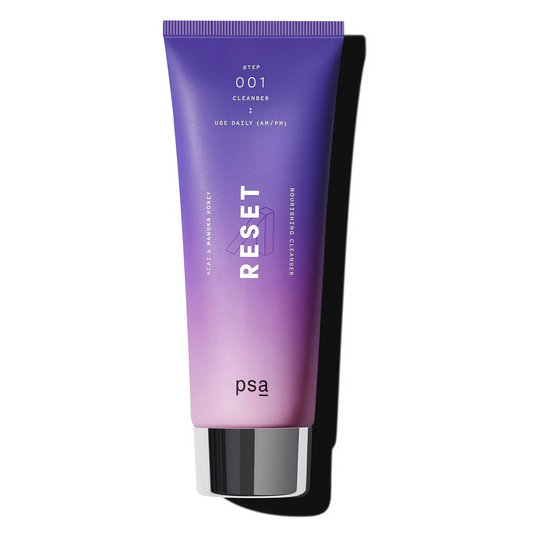 Acai & Manuka Honey Nourishing CleanserRegular price £30.00Sale price £30.00 Regular priceUnit price per
 -
 Awarded:
 Mandelic & Licorice Superfood Glow TonerRegular price £35.00Sale price £35.00 Regular priceUnit price per
 -
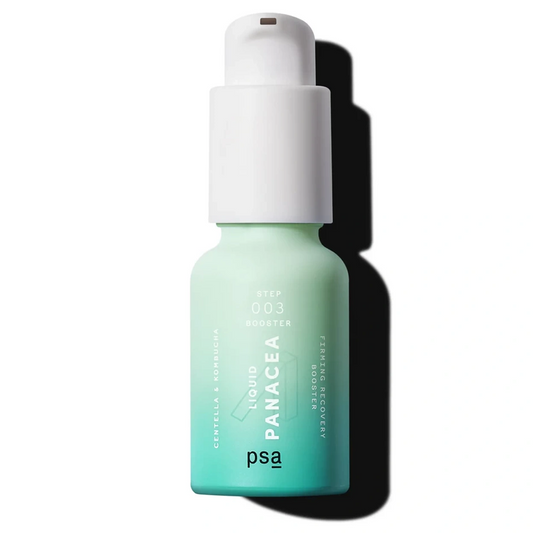 Centella & Kombucha Firming Recovery BoosterRegular price £30.00Sale price £30.00 Regular priceUnit price per
 -
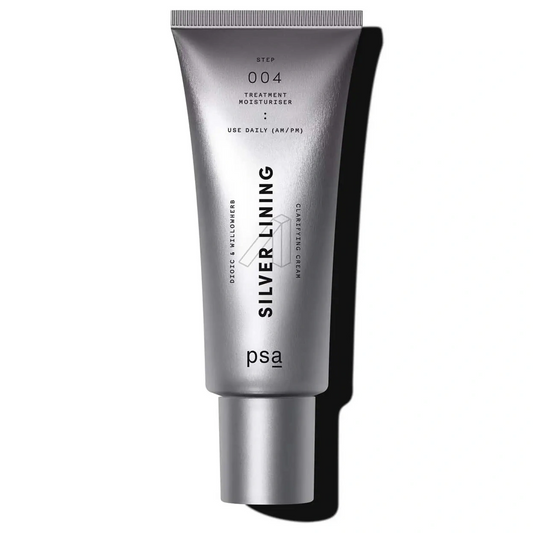 Dioic & Willowherb Clarifying CreamRegular price £37.00Sale price £37.00 Regular priceUnit price per

- Choosing a selection results in a full page refresh.
- Opens in a new window.