


Skin cycling went viral on TikTok, and suddenly everyone's talking about a "revolutionary" 4-night routine: exfoliate, retinoid, recover, recover, repeat.
Dermatologists are endorsing it. Influencers are documenting their results. Your friend swears her skin has never looked better.
But no one's asking is this actually new? Or is it just basic skincare principles repackaged with a catchy name?
As someone who formulates skincare, I'm going to give you the honest answer: Skin cycling works (not because it's revolutionary) because it's structured common sense.
Lets break down what skin cycling actually is, why it works, where the hype exceeds the science, and whether you actually need to follow it.
What Is Skin Cycling?
Skin cycling is a 4-night skincare routine popularized by Dr. Whitney Bowe, a board-certified dermatologist. The cycle repeats every 4 nights:
Night 1: Exfoliation Night
-
Cleanse
-
Apply a chemical exfoliant (AHA or BHA)
-
Moisturize
-
No other actives
Night 2: Retinoid Night
-
Cleanse
-
Apply retinoid (Retinol, Tretinoin, or Bakuchiol alternative)
-
Moisturize
-
No other actives
Night 3: Recovery Night
-
Cleanse
-
Hydrating and barrier-repair products only
-
No actives
Night 4: Recovery Night
-
Same as Night 3
-
Hydrate, repair, rest
Then repeat the cycle.
Thepoint is to alternate powerful actives with recovery nights to prevent over-exfoliation, irritation, and barrier damage.
Why Skin Cycling Works (The Science)
Skin cycling works for the same reason any well-structured routine works - it prevents you from overdoing it.
Principle 1: Active Ingredients Need Recovery Time
When you use exfoliating acids (AHAs, BHA) or retinoids, you're increasing cell turnover. Your skin is shedding dead cells faster and producing new cells faster.
What this means biochemically:
-
Your skin barrier is temporarily more vulnerable
-
Moisture loss increases (TEWL - transepidermal water loss)
-
Skin becomes more sensitive to irritation
-
Layering more actives on top = compounding stress
Rest nights allow your skin to repair the barrier, replenish lipids, and rebuild resilience before the next active night.
Skin cycling builds in mandatory rest days so you don't wreck your barrier by using actives every single night.
Principle 2: Exfoliation and Retinoids Work Better When Not Used Together
Both exfoliating acids and retinoids increase cell turnover. Using them simultaneously can cause:
-
Irritation and redness
-
Peeling and flaking
-
Compromised barrier
-
Increased sensitivity
-
For melanin-rich skin: post-inflammatory hyperpigmentation (PIH)
Separating exfoliation and retinoids by 24 hours (using them on different nights) reduces irritation while still getting the benefits of both.
Translation: Skin cycling alternates actives instead of stacking them, which is what dermatologists have recommended for decades. The "cycle" just makes it easier to remember.
Principle 3: Your Skin's Barrier Needs Support
Your skin barrier is made of lipids (ceramides, cholesterol, fatty acids) that hold moisture in and irritants out. When you use actives, you temporarily disrupt this barrier.
Without recovery time:
-
Chronic barrier disruption
-
Dehydration (even oily skin can be dehydrated)
-
Increased sensitivity
-
Breakouts (compromised barrier = easier for bacteria to penetrate)
-
Inflammation (triggers PIH in melanin-rich skin)
Recovery nights focus on hydration (Hyaluronic Acid, Glycerin) and barrier repair (Niacinamide, Ceramides, Panthenol, Centella).
Skin cycling forces you to prioritize barrier health, not just active ingredients. This is what good skincare has always been about.
Where Skin Cycling Gets Overhyped
Now let's talk about what skin cycling isn't.
Myth 1: "Skin Cycling Is a New Discovery"
Dermatologists have been telling people to alternate actives and include rest days for decades. Skin cycling just gave it a name and a viral hashtag.
What derms have always said:
-
"Don't use acids and retinoids on the same night"
-
"Start retinoids 2-3x per week, not every night"
-
"Give your skin a break if it's irritated"
-
"Hydration and barrier repair are essential"
Skin cycling = following these instructions in a structured 4-night pattern.
It's not new science but adherence to existing science.
Myth 2: "Everyone Should Follow the Exact 4-Night Cycle"
Skin cycling is a framework, not a rigid prescription. Your skin might need:
-
More recovery nights (sensitive skin)
-
Fewer recovery nights (resilient, non-reactive skin)
-
Different active frequencies (some people tolerate retinoids daily once they build tolerance)
Not all skin is the same. A 4-night cycle might be perfect for beginners, too conservative for experienced users, or too aggressive for very sensitive skin.
Use the principle (alternate actives, include recovery), but adjust the frequency to your skin's needs.
Myth 3: "You Can't Use Actives During the Day"
The original skin cycling framework focuses on nighttime. But this creates the false impression that you can't use actives in the morning.
-
Some actives work beautifully during the day (Niacinamide, Vitamin C, gentle AHAs like Mandelic Acid, Azelaic Acid)
-
Morning actives don't interfere with nighttime cycling
-
You're leaving efficacy on the table if you only use actives at night
Example daytime additions:
-
Morning: Vitamin C serum (brightening, antioxidant protection)
-
Morning: Niacinamide (oil control, barrier support, PIH prevention)
-
Morning: Gentle AHA toner (if your skin tolerates it)
The fix: Skin cycling at night, actives that don't increase sun sensitivity during the day. More comprehensive results.
Myth 4: "Skin Cycling Prevents All Irritation"
Skin cycling reduces irritation risk, but it doesn't eliminate it. You can still:
-
Use concentrations that are too strong for your skin
-
Choose the wrong actives for your skin type
-
Skip SPF (which makes everything worse)
-
Ignore your skin's signals (redness, tightness, sensitivity)
Skin cycling is a schedule, not a magic shield. You still need to choose appropriate products and pay attention to how your skin responds.
Does Skin Cycling Work Better Than Other Routines?
Not necessarily. It works as well as other well-structured routines that alternate actives and prioritize barrier health.
Skin cycling is effective because:
-
It prevents over-exfoliation
-
It alternates strong actives
-
It includes mandatory rest days
-
It's simple and easy to follow
But so are these approaches:
Approach 1: Alternate Nights (No Fixed Cycle)
-
Monday: Exfoliating acid
-
Tuesday: Retinoid
-
Wednesday: Rest/hydration
-
Thursday: Exfoliating acid
-
Friday: Retinoid
-
Saturday: Rest/hydration
-
Sunday: Rest/hydration
Same principle as skin cycling (alternating actives, including rest), just without the rigid 4-night structure.
Approach 2: Use Actives Less Frequently (Not Every Other Night)
-
Monday, Wednesday, Friday: Retinoid
-
All other nights: Hydration and barrier repair
Your skin gets consistent retinoid benefits without daily irritation, and natural recovery time built in.
Approach 3: Layer Strategically (Advanced Users Only)
-
Morning: Gentle AHA toner (Mandelic Acid) or Vitamin C
-
Evening: Retinoid
Comprehensive benefits without nighttime stacking. Works if your skin is very tolerant and you've built up over months.
Skin cycling is one effective structure, but it's not the only effective structure. What matters is the principle: alternate actives, support your barrier, listen to your skin.
Who Actually Needs Skin Cycling?
Skin cycling works best for specific groups:
✅ You Should Try Skin Cycling If:
1. You're new to actives
-
Never used retinoids or acids before
-
Don't know how often to use them
-
Need a clear, simple schedule to follow
2. You have sensitive or reactive skin
-
Prone to redness, irritation, or breakouts from actives
-
Need built-in recovery time
-
Struggle with barrier issues
3. You have melanin-rich skin prone to PIH
-
Inflammation triggers dark spots
-
Need to be extra cautious with actives
-
Benefit from structured rest to prevent irritation
4. You've over-exfoliated in the past
-
Used too many actives at once
-
Wrecked your barrier
-
Need a structured approach to prevent relapse
5. You like clear, simple routines
-
Don't want to overthink it
-
Prefer a set schedule
-
Need accountability and structure
❌ You Probably Don't Need Skin Cycling If:
1. You already have a routine that works
-
Your skin is clear, bright, and healthy
-
You're already alternating actives and including rest
-
You're just cycling (pun intended) because it's trendy
2. Your skin tolerates daily actives
-
You've built tolerance over time
-
No irritation with daily retinoid use
-
Skin is resilient and non-reactive
3. You have very oily, resilient skin
-
Rarely experience dryness or sensitivity
-
Can handle more frequent exfoliation
-
Might find 2 recovery nights too conservative
4. You need custom frequencies for specific actives
-
Your retinoid works best every other night, but you want acids 4x per week
-
The rigid 4-night cycle doesn't match your skin's needs
-
You're experienced enough to adjust on the fly
How to Adapt Skin Cycling to Your Skin
The beauty of skin cycling is in the principle. Here's how to customize it:
For Sensitive Skin: Add More Recovery Nights
Modified cycle (6 nights):
-
Night 1: Exfoliation
-
Night 2: Recovery
-
Night 3: Recovery
-
Night 4: Retinoid
-
Night 5: Recovery
-
Night 6: Recovery
Sensitive skin needs longer recovery between actives. Two days between exfoliation and retinoid, plus two days of rest after retinoid, gives your barrier time to rebuild.
For Oily, Resilient Skin: Reduce Recovery Nights
Modified cycle (3 nights):
-
Night 1: Exfoliation
-
Night 2: Retinoid
-
Night 3: Recovery
If your skin tolerates back-to-back actives and doesn't need as much recovery time, you can cycle faster. Just watch for signs of over-exfoliation.
For Melanin-Rich Skin Prone to PIH: Prioritize Gentle Actives
Modified cycle (standard 4 nights, but gentler actives):
-
Night 1: Mandelic Acid (gentlest AHA, slow penetration, less PIH risk)
-
Night 2: Bakuchiol or low-dose Retinol (gentler than Tretinoin)
-
Night 3-4: Recovery with anti-inflammatory ingredients (Centella, Niacinamide, Licorice Root)
Melanin-rich skin needs actives that work without triggering inflammation. Mandelic Acid is safer than Glycolic Acid. Bakuchiol is gentler than prescription retinoids. Recovery nights with anti-inflammatory ingredients prevent PIH formation.
For Advanced Users: Add Daytime Actives
Night cycle (standard):
-
Night 1: Exfoliation
-
Night 2: Retinoid
-
Night 3-4: Recovery
Morning routine:
-
Vitamin C serum (brightening, antioxidant)
-
Niacinamide (oil control, barrier support)
-
Hydrating serum
-
Moisturizer
-
SPF
Your skin can handle more actives if they're not all stacked at night. Morning actives that don't increase sun sensitivity (Vitamin C, Niacinamide) give you comprehensive benefits without nighttime overload.
Sample Skin Cycling Routines (By Skin Type)
Beginner Routine (First Time Using Actives)
Night 1 - Exfoliation:
-
Gentle cleanser
-
Mandelic Acid toner (start with gentlest AHA)
-
Hydrating serum (Hyaluronic Acid)
-
Moisturizer
Night 2 - Retinoid:
-
Gentle cleanser
-
Hydrating serum (buffer for retinoid)
-
Bakuchiol or 0.25% Retinol (start low)
-
Moisturizer
Night 3-4 - Recovery:
-
Gentle cleanser
-
Hydrating toner/mist
-
Barrier-repair serum (Niacinamide, Centella, Panthenol)
-
Rich moisturizer
Start with the lowest effective concentrations. Build tolerance over 8-12 weeks before increasing strength.
Oily, Breakout-Prone Skin
Night 1 - Exfoliation:
-
Cleanse
-
BHA toner or serum (Salicylic Acid 2%—clears pores)
-
Hydrating serum (lightweight)
-
Oil-free moisturizer
Night 2 - Retinoid:
-
Cleanse
-
Retinol 0.5-1% (helps with breakouts + texture)
-
Lightweight moisturizer
Night 3-4 - Recovery:
-
Cleanse
-
Niacinamide serum (regulates oil, fades PIH)
-
Hydrating serum
-
Gel-cream moisturizer
BHA for pores, retinoid for texture and prevention, Niacinamide on recovery nights for oil control and PIH fading.
Dry, Aging Skin
Night 1 - Exfoliation:
-
Cream cleanser
-
Lactic Acid toner (hydrating AHA)
-
Hyaluronic Acid serum
-
Rich moisturizer
Night 2 - Retinoid:
-
Cream cleanser
-
Hydrating serum (buffer)
-
Retinol 0.5-1% or prescription Tretinoin
-
Rich moisturizer or facial oil
Night 3-4 - Recovery:
-
Cream cleanser
-
Hydrating toner
-
Peptide serum (collagen support)
-
Niacinamide or Centella serum (barrier repair)
-
Rich cream or facial oil
Hydrate constantly. Use Lactic Acid (hydrating AHA) instead of Glycolic. Layer moisture aggressively on recovery nights.
Sensitive, Reactive Skin
Night 1 - Gentle Exfoliation:
-
PHA toner (Gluconolactone—gentler than AHAs)
-
Soothing serum (Centella, Bisabolol)
-
Rich, fragrance-free moisturizer
Night 2 - Recovery (Yes, Skip Retinoid Initially)
-
Gentle cleanser
-
Hydrating mist
-
Barrier-repair serum (Ceramides, Panthenol, Niacinamide)
-
Occlusive moisturizer
Night 3 - Gentle Retinoid Alternative:
-
Gentle cleanser
-
Bakuchiol serum (retinoid benefits without irritation)
-
Rich moisturizer
Night 4 - Recovery:
-
Gentle cleanser
-
Hydrating + soothing products only
-
Rich moisturizer
Use the gentlest actives possible (PHA, Bakuchiol). Build barrier strength before introducing stronger actives. Extra recovery time between actives.
What to Use on Recovery Nights (This Matters)
Recovery nights are active barrier-repair nights. Here's what to use:
Hydration Essentials:
-
Hyaluronic Acid (multiple molecular weights—deep + surface hydration)
-
Glycerin (humectant, draws moisture into skin)
-
Sodium PCA (naturally occurring humectant)
-
Panthenol (Pro-Vitamin B5) (hydrates + soothes irritation)
Barrier Repair Essentials:
-
Niacinamide (increases ceramide production, strengthens barrier, fades PIH)
-
Ceramides (lipids that hold your barrier together)
-
Centella Asiatica (anti-inflammatory, boosts ceramide production, speeds healing)
-
Bisabolol (soothes irritation, anti-inflammatory)
Anti-Inflammatory Support:
-
Centella Asiatica (calms reactive skin, prevents PIH in melanin-rich skin)
-
Licorice Root (brightens + anti-inflammatory)
-
Allantoin (soothing, promotes healing)
-
Kombucha (antioxidant, anti-inflammatory, supports microbiome)
What NOT to Use on Recovery Nights:
-
❌ Exfoliating acids (AHA, BHA, PHA)
-
❌ Retinoids
-
❌ Vitamin C (if it's in a low-pH formula that might irritate)
-
❌ Physical exfoliants (scrubs, brushes)
-
❌ Fragranced products (potential irritants)
Give your skin everything it needs to repair and rebuild, without any ingredients that stress it further.
Common Mistakes with Skin Cycling
Mistake 1: Using Actives That Are Too Strong
Just because you're cycling doesn't mean your 20% Glycolic Acid peel is safe every 4 nights. Start with gentle actives, build tolerance, then increase strength gradually.
Mistake 2: Skipping SPF
Exfoliating acids and retinoids increase sun sensitivity. If you're not wearing SPF 30+ every day, you're undoing all your progress and increasing dark spot formation.
Mistake 3: Not Actually Resting on Recovery Nights
Adding "just a little" Vitamin C or "a gentle" AHA on recovery nights defeats the purpose. Your skin needs true rest to repair.
Mistake 4: Ignoring Your Skin's Signals
If your skin is red, tight, sensitive, or breaking out, don't push through the cycle. Add more recovery nights or reduce active strength.
Mistake 5: Giving Up Too Soon
Results take 8-12 weeks. If you quit after 2 weeks because you don't see dramatic changes, you never gave it a chance to work.
Mistake 6: Thinking the Cycle Is One-Size-Fits-All
Your friend's skin cycling routine might not work for you. Adjust frequencies, actives, and recovery time to match your skin's needs.
The Formulator's Take: What Actually Matters
As someone who formulates skincare, here's what I care about when evaluating skin cycling:
✅ What Skin Cycling Gets Right:
-
Structure prevents over-exfoliation (the #1 mistake people make with actives)
-
Barrier repair is prioritized (not just active ingredients)
-
Actives are alternated (not stacked aggressively)
-
It's simple and accessible (anyone can follow a 4-night cycle)
-
It teaches good habits (rest days, hydration, listening to your skin)
⚠️ What Skin Cycling Oversimplifies:
-
Not all skin needs 2 full recovery nights (some need more, some need less)
-
Daytime actives are ignored (leaving efficacy on the table)
-
It's treated as gospel (when it should be a flexible framework)
-
Product quality matters more than the schedule (a bad retinoid on a cycling schedule is still a bad retinoid)
Final Verdict: Skin Cycling Works, But So Does Common Sense
Does skin cycling work? Yes.
Is it revolutionary? No. It's organized common sense.
Should you do it? Maybe. If the structure helps you, absolutely. If you already have a routine that works, don't fix what isn't broken.
What actually matters:
-
Use actives that are appropriate for your skin type and concerns
-
Don't use too many actives at once
-
Include recovery and barrier repair
-
Listen to your skin
-
Wear SPF every single day
Skin cycling is one effective way to structure these principles. But it's not the only way. And it's definitely not a magic formula that overrides the basics of good skincare.
Your skin doesn't care if you call it "cycling" or "alternating" or "structured rest days." It cares that you're not over-exfoliating, that you're supporting your barrier, and that you're giving it what it needs to function optimally.
Related Posts


-
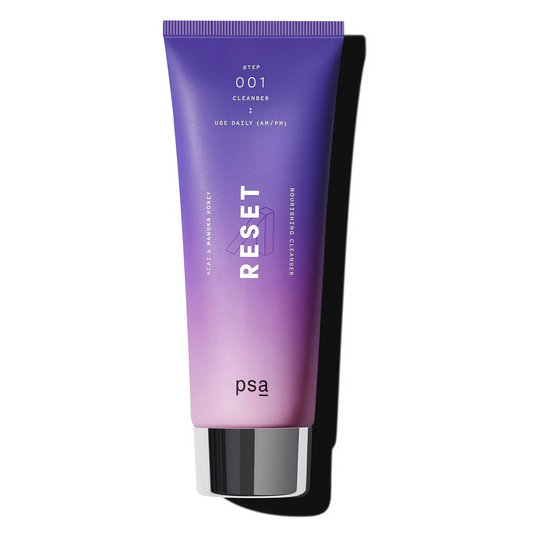 Acai & Manuka Honey Nourishing CleanserRegular price $31.00Sale price $31.00 Regular priceUnit price per
$31.00 USD -
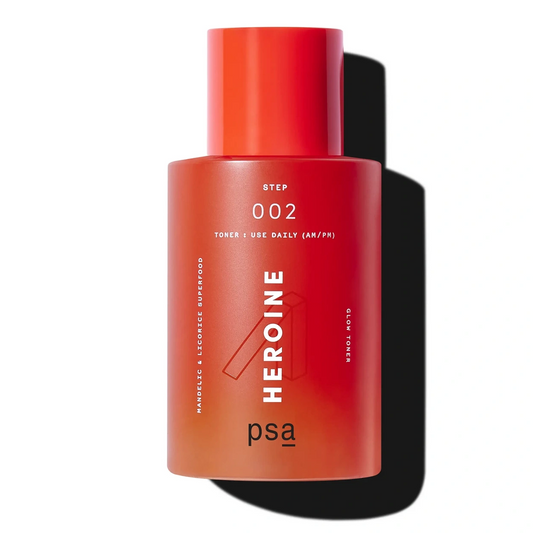 Awarded:
 Mandelic & Licorice Superfood Glow TonerRegular price $36.00Sale price $36.00 Regular priceUnit price per
$36.00 USD -
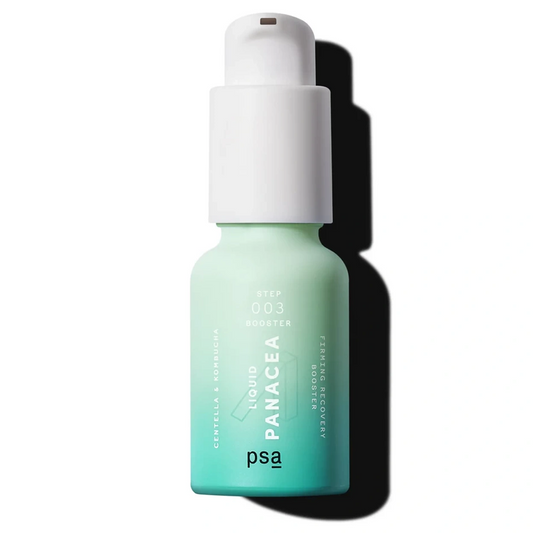 Centella & Kombucha Firming Recovery BoosterRegular price $31.00Sale price $31.00 Regular priceUnit price per
$31.00 USD -
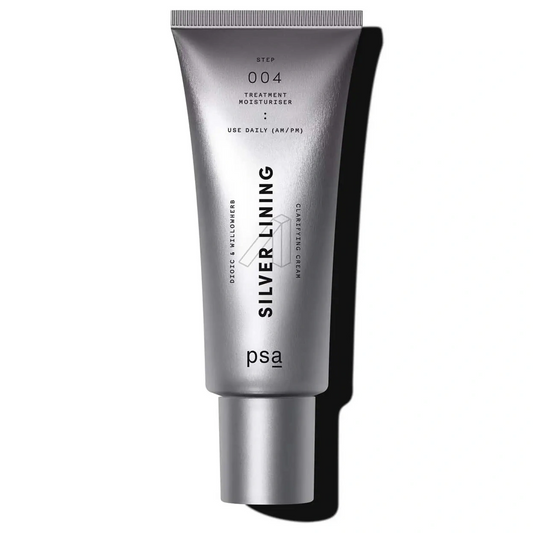 Dioic & Willowherb Clarifying CreamRegular price $38.00Sale price $38.00 Regular priceUnit price per
$38.00 USD

- Choosing a selection results in a full page refresh.
- Opens in a new window.