


You've heard it a million times: "Steam opens your pores!" "Splash with cold water to close them!" "Ice your face to tighten pores!"
But your pores don't have muscles. They can't open and close like tiny doors.
This myth has been repeated so often - in beauty magazines, skincare ads, spa treatments - that it's become accepted as fact. But biologically, it makes no sense. And understanding what pores actually do (and don't do) is the key to making them look smaller.
Let's break down the science, debunk the myths, and give you a real strategy for minimizing pore appearance.
What Are Pores, Actually?
Pores are tiny openings in your skin, specifically, the openings of hair follicles. Each pore contains:
-
A hair follicle (yes, even the barely-visible "peach fuzz" on your face)
-
A sebaceous (oil) gland that produces sebum to keep skin lubricated
-
The follicle canal that connects the gland to the skin's surface
The pore's job is to release sebum (oil) and sweat to keep your skin moisturized and protected.
What pores don't have? Muscles. No muscles = no ability to actively open or close.
Pore size is primarily determined by:
-
Genetics (the biggest factor - thanks, parents)
-
Sebum production (oily skin = larger-looking pores)
-
Age (loss of collagen and elasticity makes pores appear larger)
-
Sun damage (degrades collagen around pores, causing them to stretch)
-
Congestion (when pores fill with oil, dead skin, debris, they stretch to accommodate it)
The Myth: Steam "Opens" Pores, Cold Water "Closes" Them
This is the most persistent pore myth. It sounds logical - heat expands, cold contracts - but pores aren't balloons.
What Steam Actually Does:
Steam softens the sebum (oil) and dead skin cells inside your pores, making them easier to extract or cleanse away. The pore itself isn't "opening", the contents are loosening.
Steam is helpful for:
-
Softening blackheads and sebum buildup before cleansing or extractions
-
Making it easier for cleansers to penetrate and remove debris
-
Creating a more comfortable experience during facial treatments
Steam does NOT:
-
Permanently shrink pores
-
Change pore size
-
"Open" pores so they can "breathe" (your skin doesn't breathe through pores—gas exchange happens at the cellular level)
What Cold Water Actually Does:
Cold water causes temporary vasoconstriction (blood vessels contract) and can slightly tighten the skin surface, which might make pores look smaller for a few minutes. But this is superficial and temporary, like how your skin looks slightly tighter after splashing your face with cold water in the morning, then returns to normal 10 minutes later.
Cold water is fine for:
-
Refreshing your skin
-
Reducing temporary puffiness
-
Closing your cleansing routine with a rinse
Cold water does NOT:
-
Permanently close pores
-
"Lock in" skincare (your skin absorbs products based on molecular size and formulation, not temperature)
-
Prevent dirt from entering pores (debris gets trapped in sebum and dead skin cells, not because pores are "open")
The Bottom Line:
Temperature can temporarily affect how pores appear and how easy it is to cleanse them, but it doesn't change their actual size or function. Once your skin returns to its normal temperature (which happens in minutes), so do your pores.
What Actually Affects Pore Size?
If steam and ice don't permanently change pore size, what does? Here are the real factors:
1. Genetics (The Biggest Factor)
Your baseline pore size is inherited. If your parents have large pores, you're more likely to have them too. You can't change your genetic pore size, but you can minimize their appearance (more on that below).
Factors determined by genetics:
-
Number of sebaceous glands (more glands = more oil = larger-looking pores)
-
Oil production levels
-
Skin thickness (thicker skin often has larger pores)
2. Sebum Production (Oil Output)
The more oil your skin produces, the larger your pores appear. When sebum fills the pore, it stretches the opening. Over time, chronic oil buildup can cause pores to stay enlarged even when they're not actively full.
Why oily skin has larger-looking pores:
-
Excess sebum production stretches pore openings
-
Oil mixes with dead skin cells, creating a plug that expands the pore
-
Shiny oil on the skin surface makes pores more visible
What helps:
-
Ingredients that regulate sebum production: Niacinamide, Zinc PCA, BHA (Salicylic Acid)
-
Regular exfoliation to prevent oil and dead skin buildup
-
Oil-balancing cleansers that remove excess sebum without stripping skin
PSA Skincare products that regulate oil:
-
DEW HALO Niacinamide & Blackberry Mist – 5% Niacinamide + Zinc PCA (regulates oil production, minimizes pore appearance)
-
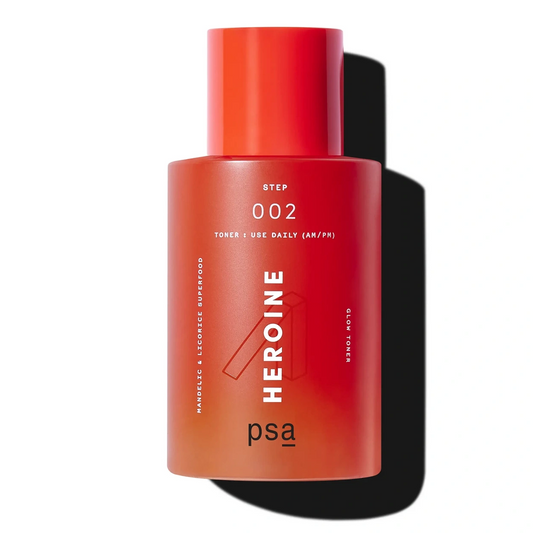
HEROINE Mandelic & Licorice Superfood Glow Toner – 6% Mandelic + Lactic Acid (gently exfoliates, refines pores)
-
SILVER LINING Dioic & Willowherb Clarifying Cream – 4% Dioic Acid + 1% Zinc PCA (controls sebum, prevents pore congestion)
3. Age & Collagen Loss
As you age, collagen and elastin production slows down. Collagen acts like a scaffolding that keeps pores taut. When collagen breaks down, skin loses firmness, and pores can appear larger and more stretched out.
Think of it like a rubber band: A new rubber band snaps back tightly. An old, worn rubber band stays stretched out. Your skin's collagen is the rubber band.
What helps:
-
Retinoids (stimulate collagen production)
-
Peptides (signal skin to produce more collagen and elastin)
-
Vitamin C (boosts collagen synthesis, protects existing collagen)
-
Niacinamide (improves skin elasticity, supports barrier function)
-
SPF (prevents collagen degradation from UV exposure)
PSA products that support collagen:
-
GOALS Multi Acids & Probiotics Night Serum – 12% Multi-Acids + Peptides (boosts collagen, refines texture)
-
MIDNIGHT COURAGE Rosehip & Bakuchiol Night Oil – 2% Retinoid Complex + Bakuchiol (stimulates collagen, firms skin)
-
FOLLOW THE LIGHT Multi Acids & Vitamin C Peel – 10.5% Acids + 5% Vitamin C (exfoliates + collagen support)
4. Sun Damage
UV exposure is one of the worst things for pore appearance. Sun damage breaks down collagen and elastin, causing skin to lose its structural support. Without that support, pores sag and appear larger.
UV damage also causes:
-
Thickening of the skin (rough texture makes pores more visible)
-
Inflammation (chronic inflammation weakens skin structure)
-
Free radical damage (accelerates aging and collagen loss)
The single most important thing you can do for pore size - wear SPF daily. This prevents further collagen degradation and keeps pores from stretching more over time.
5. Congestion (Clogged Pores)
When pores fill with sebum, dead skin cells, bacteria, and debris, they stretch to accommodate the buildup. Over time, chronically clogged pores stay enlarged even after you've cleared them out.
What causes congestion:
-
Excess oil production
-
Inadequate exfoliation (dead skin cells accumulate)
-
Heavy, pore-clogging products (thick oils, silicones, waxes)
-
Not removing makeup/SPF thoroughly
-
Buildup of pollution and environmental debris
What helps:
-
Regular exfoliation with AHAs (Glycolic, Lactic, Mandelic Acid) or BHA (Salicylic Acid)
-
Oil-soluble exfoliants (BHA) that penetrate into pores and dissolve sebum plugs
-
Double cleansing to remove makeup, SPF, and daily grime
-
Non-comedogenic products that don't clog pores
PSA Skincare products that prevent/treat congestion:
-
HEROINE Toner – 6% Mandelic + Lactic Acid (exfoliates surface, refines pores)
-
GOALS Night Serum – 12% Multi-Acids (deep exfoliation, clears congestion)
-
RESET Acai & Manuka Honey Cleanser – Gentle but thorough cleansing without stripping
How to Actually Minimize Pore Appearance
You can't permanently shrink pores (sorry), but you can make them look significantly smaller by keeping them clear, supporting collagen, and controlling oil production.
Strategy 1: Keep Pores Clear with Regular Exfoliation
Clogged pores look larger. Clear pores look smaller. Exfoliation removes the dead skin cells and debris that mix with sebum to create congestion.
Best exfoliants for pores:
AHAs (Glycolic, Lactic, Mandelic Acid) – Surface exfoliation, improves texture
-
Mandelic Acid is gentler and great for sensitive or acne-prone skin
-
Glycolic Acid is more aggressive and penetrates deeper
BHA (Salicylic Acid) – Oil-soluble, penetrates into pores to dissolve sebum plugs
-
Best for oily, congested, acne-prone skin
-
Works inside the pore, not just on the surface
How often to exfoliate:
-
Sensitive skin: 1-2x per week
-
Normal/combo skin: 2-3x per week
-
Oily/congested skin: 3-4x per week (or as tolerated)
PSA exfoliating products:
-
HEROINE Toner – 6% Mandelic + Lactic Acid (gentle daily option)
-
GOALS Night Serum – 12% Multi-Acids (2-3x weekly for deeper exfoliation)
-
FOLLOW THE LIGHT Peel – 10.5% Acids (1x weekly intensive treatment)
Strategy 2: Regulate Oil Production
Less oil = less stretching = smaller-looking pores.
Best ingredients for oil control:
Niacinamide (Vitamin B3) – Regulates sebum production, improves skin barrier, minimizes pore appearance
-
Clinical studies show 5-10% Niacinamide reduces sebum production by up to 30%
-
Also strengthens skin, which helps keep pores taut
Zinc PCA – Regulates sebaceous glands, reduces oil output, antimicrobial
-
Often paired with Niacinamide for synergistic oil control
BHA (Salicylic Acid) – Dissolves oil inside pores, prevents buildup
PSA products for oil control:
-
DEW HALO Mist – 5% Niacinamide + Zinc PCA (oil regulation, pore minimizing)
-
SILVER LINING Cream – 1% Zinc PCA + 4% Dioic Acid (controls oil, prevents congestion)
-
HEROINE Toner – Contains Niacinamide + exfoliating acids
Strategy 3: Support Collagen & Elasticity
Firm, elastic skin = tighter pores. Saggy, loose skin = stretched pores.
Best ingredients for collagen support:
Retinoids (Retinol, Bakuchiol) – Stimulate collagen production, increase cell turnover
-
Retinol is the gold standard but can irritate
-
Bakuchiol is a gentler alternative with similar benefits
Peptides – Signal skin cells to produce more collagen and elastin
-
Work synergistically with retinoids and Niacinamide
Vitamin C – Necessary for collagen synthesis, protects existing collagen from free radical damage
Niacinamide – Improves skin elasticity, supports barrier function, enhances firmness
PSA products that support collagen:
-
MIDNIGHT COURAGE Night Oil – 2% Retinoid Complex + Bakuchiol (stimulates collagen overnight)
-
GOALS Night Serum – Contains peptides + acids (exfoliates + firms)
-
FOLLOW THE LIGHT Peel – 5% Vitamin C + 10.5% Acids (collagen boost + texture refinement)
Strategy 4: Protect from Sun Damage
UV exposure breaks down collagen and makes pores larger over time. SPF is non-negotiable if you care about pore size.
What to do:
-
Wear broad-spectrum SPF 30+ every single day (even indoors, UVA penetrates windows)
-
Reapply every 2 hours if spending time outdoors
-
Wear a hat and seek shade during peak sun hours (10am-4pm)
Why this matters for pores: UV damage causes collagen degradation → skin loses firmness → pores sag and stretch. Preventing this damage is easier than trying to reverse it later.
Strategy 5: Use Non-Comedogenic Products
Heavy oils, silicones, and waxes can clog pores, making them appear larger. Choose lightweight, non-comedogenic formulations that won't contribute to congestion.
Ingredients that are generally pore-friendly:
-
Squalane (lightweight, biomimetic, non-comedogenic)
-
Hyaluronic Acid (hydrates without clogging)
-
Niacinamide (regulates oil, doesn't clog)
-
Glycerin (humectant, non-comedogenic)
Ingredients to watch out for (can be pore-clogging for some):
-
Coconut oil (highly comedogenic)
-
Isopropyl myristate (common in creams, can clog pores)
-
Heavy silicones in high concentrations
-
Thick butters (cocoa butter, shea butter can be heavy for oily skin)
The Psychodermatology Angle: Stress and Pore Appearance
Chronic stress increases oil production, which makes pores look larger.
When you're stressed, your body releases cortisol. Cortisol stimulates sebaceous glands to produce more oil. More oil = more stretched pores = larger pore appearance.
The stress-pore connection:
-
Stress → Cortisol elevation
-
Cortisol → Increased sebum production
-
Excess sebum → Pores stretch and become more visible
-
Stress also → Inflammation → Collagen breakdown → Pores lose structural support
Ingredients that address the stress-skin axis can help regulate the oil production and inflammation that make pores more visible:
Centella Asiatica (Cica) – Modulates stress response, reduces inflammation, supports collagen
Niacinamide – Regulates sebum, calms inflammation, strengthens skin
Probiotics – Balance microbiome, reduce stress-induced breakouts Kombucha – Antioxidant, anti-inflammatory, supports barrier
What Doesn't Actually Help Minimize Pores
Let's clear up a few more myths:
❌ Pore Strips
Pore strips yank out sebum plugs and sometimes surface-level blackheads. They can be satisfying to use, but they don't address why pores are clogged in the first place.
The problem:
-
Temporary results (pores refill with oil and debris within days)
-
Can irritate and inflame skin
-
Don't prevent future congestion
-
Can damage skin barrier with repeated use
Better option: Regular exfoliation with BHA or AHAs prevents buildup from forming in the first place.
❌ "Pore Minimizing" Primers
Primers with silicones fill in pores temporarily, creating a smooth surface for makeup. They don't actually change pore size—they just create an optical illusion.
The problem:
-
Washes off with cleansing
-
Can clog pores if not removed properly
-
Some silicones can trap oil and debris, worsening congestion over time
When they're useful: For special occasions when you want smoother makeup application. Just make sure to double cleanse thoroughly at night.
❌ Baking Soda or DIY "Pore Tightening" Masks
Baking soda is too alkaline for skin (pH ~9, while skin is ~5.5). It disrupts your skin's acid mantle, damages the barrier, and can cause irritation, dryness, and increased sensitivity.
The problem:
-
Destroys skin barrier
-
Causes inflammation (which makes pores look worse)
-
No clinical evidence for effectiveness
-
Can worsen acne and congestion
Better option: Use properly formulated AHAs or BHA that are pH-balanced for skin.
❌ "Detox" Masks with Charcoal or Clay Every Day
Charcoal and clay masks absorb oil and can temporarily make pores look smaller. But using them daily strips your skin, triggering rebound oil production, which makes pores look larger over time.
How often to use: 1-2x per week max, followed by hydrating and barrier-supporting products.
The Real Pore-Minimizing Routine
Here's a realistic routine for making pores look as small as possible:
Morning Routine (Oil Control + Protection):
-
Cleanse – RESET Acai & Manuka Honey Cleanser (removes overnight oil without stripping)
-
Mist – DEW HALO Niacinamide Mist (5% Niacinamide + Zinc PCA for oil regulation)
-
Hydrate – THE MOST Hyaluronic Serum (hydration without heaviness)
-
Moisturize – Lightweight, non-comedogenic moisturizer (or SILVER LINING if breakout-prone)
-
SPF – Broad-spectrum SPF 30+ (prevents collagen breakdown that enlarges pores)
Evening Routine (Exfoliate + Treat + Repair):
-
Double Cleanse – RESET Cleanser on dry skin (removes SPF/makeup), rinse, repeat on damp skin
-
Exfoliate (2-4x weekly) – HEROINE Toner (6% Mandelic + Lactic Acid) or [GOALS Serum](#] (12% Multi-Acids for deeper treatment)
-
Hydrate – THE MOST Serum on damp skin
-
Treatment – MIDNIGHT COURAGE Oil (2% Retinoid Complex for collagen support) OR SILVER LINING Cream (oil control + pore refining)
Weekly Treatment:
-
1x per week: FOLLOW THE LIGHT Radiance Peel (10.5% Acids + 5% Vitamin C for intensive exfoliation + collagen boost)
Daily Habits That Help:
✅ Remove makeup and SPF thoroughly every night (double cleanse)
✅ Change pillowcases regularly (oil and bacteria buildup worsens congestion)
✅ Don't touch your face throughout the day (transfers oil and dirt)
✅ Blot excess oil instead of over-washing (over-cleansing triggers more oil production)
✅ Stay hydrated (dehydrated skin overproduces oil to compensate)
Final Thoughts
The truth about pores:
-
You can't permanently shrink them
-
They don't open and close
-
Genetics determines your baseline pore size
-
But you can significantly minimize their appearance with the right approach
What actually works:
-
Regular exfoliation (keeps pores clear)
-
Oil regulation (less stretching)
-
Collagen support (firmer skin = tighter pores)
-
Sun protection (prevents sagging)
-
Consistent routine (results take 4-8 weeks)
What doesn't work:
-
Ice cubes
-
Steam facials (helpful for cleansing, not permanent pore reduction)
-
Pore strips
-
Baking soda
-
Cold water rinses
-
Wishful thinking
Stop chasing quick fixes that promise to "close" your pores. Start using ingredients that actually address the factors that make pores look larger—oil production, congestion, collagen loss, sun damage.
Your pores will never disappear. But with the right routine, they can look significantly smaller, clearer, and less noticeable.
That's not magic. That's just science.
Related Posts


-
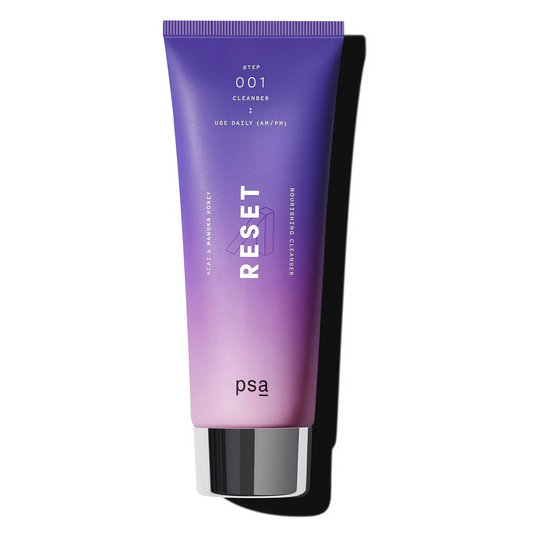 Acai & Manuka Honey Nourishing CleanserRegular price $31.00Sale price $31.00 Regular priceUnit price per
$31.00 USD -
 Awarded:
 Mandelic & Licorice Superfood Glow TonerRegular price $36.00Sale price $36.00 Regular priceUnit price per
$36.00 USD -
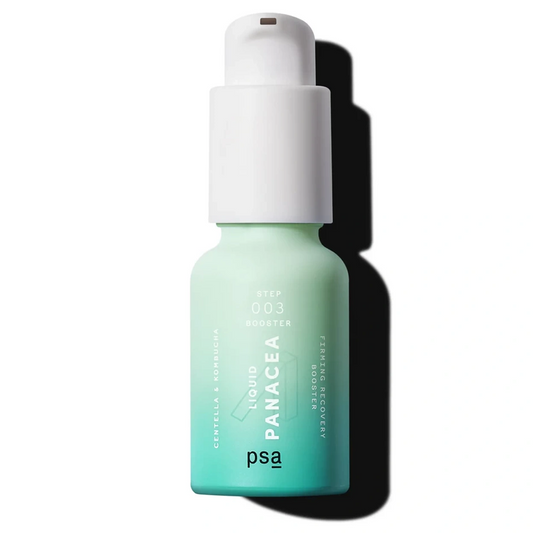 Centella & Kombucha Firming Recovery BoosterRegular price $31.00Sale price $31.00 Regular priceUnit price per
$31.00 USD -
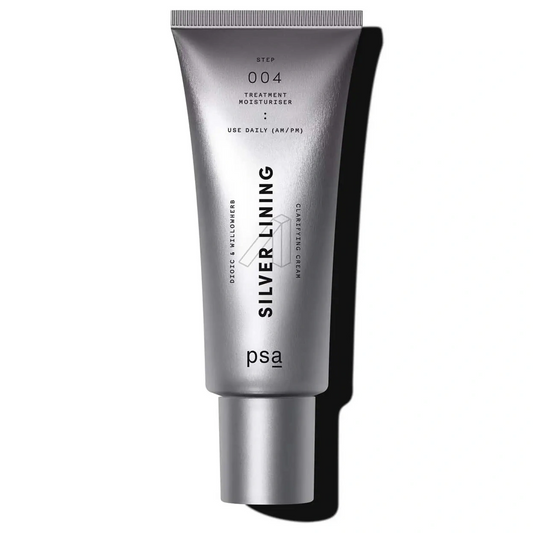 Dioic & Willowherb Clarifying CreamRegular price $38.00Sale price $38.00 Regular priceUnit price per
$38.00 USD

- Choosing a selection results in a full page refresh.
- Opens in a new window.