


You wake up. Your face is red, bumpy, maybe itchy. Your first thought: "What did I put on it last night?"
You start mentally cataloging every product you used. The new serum. That moisturizer. Maybe the toner is breaking you out.
But it might not be any of them.
Your skin might just be stressed. And stress skin looks a lot like an allergic reaction—except the cause is your nervous system, not a product.
Knowing the difference matters. Treating an allergic reaction like stress will make it worse. Treating stress skin like an allergy means you'll cut out products that aren't actually the problem.
The Quick Diagnostic
|
Stress Skin |
Allergic Reaction |
|
|
Timing |
Builds over days/weeks |
Appears within minutes to 72 hours of contact |
|
Trigger |
Lifestyle (sleep, stress, hormones) |
Specific product or ingredient |
|
Location |
All over face, often symmetrical |
Where product was applied |
|
Sensation |
Tightness, dryness, mild irritation |
Itching, burning, stinging |
|
Appearance |
Redness, breakouts, dullness, dehydration |
Hives, swelling, defined rash, severe redness |
|
Pattern |
Comes and goes with stress levels |
Resolves when allergen is removed |
If you're still not sure after reading this, the next sections will help you figure it out.
What Stress Skin Actually Looks Like
Stress doesn't just make you feel like garbage. It shows up on your face.
Here's what's happening biologically:
-
Cortisol (stress hormone) spikes
-
Inflammation increases throughout your body
-
Oil production goes up
-
Blood flow to skin decreases
-
Cell turnover slows down
Result: Skin that looks tired, blotchy, broken out, and dull—but isn't reacting to any specific product.
Signs You Have Stress Skin:
1. Sudden breakouts in stress zones
-
Jawline (hormonal acne)
-
Forehead (stress acne)
-
Chin (cortisol-driven breakouts)
-
Often deep, cystic, painful—not surface whiteheads
2. Skin feels tight and dehydrated
-
Even though you're moisturizing
-
Looks dull, gray, "tired"
-
Fine lines suddenly more visible
3. Reactive to products that normally don't bother you
-
Your usual serum now stings
-
Moisturizer feels different
-
Skin "doesn't feel right" but you can't pinpoint why
4. Redness without a clear pattern
-
Cheeks flushed throughout the day
-
Random patches of irritation
-
Comes and goes
5. Worse during high-stress periods
-
Big deadline at work? Skin gets bad
-
Sleeping poorly? Breakouts
-
Going through emotional stuff? Your face shows it
6. No clear product trigger
-
You haven't changed anything in your routine
-
Skin reacts even when you simplify products
The pattern: It builds up over days or weeks, correlates with life stress, affects multiple areas symmetrically, and doesn't resolve when you cut products.
What an Allergic Reaction Actually Looks Like
This is a specific immune response to a specific ingredient. Your body has identified something as a threat.
Two main types:
Type 1: Contact Dermatitis (Irritant)
A direct reaction to something irritating, not a true allergy.
Triggers: Harsh actives, fragrance, essential oils, retinoids used too much, AHAs at high concentrations.
Onset: Minutes to hours after application.
Type 2: Allergic Contact Dermatitis (True Allergy)
Your immune system has decided this ingredient is the enemy.
Triggers: Anything, even ingredients you've used for years can suddenly trigger an allergy. Common culprits are fragrance, preservatives (Methylisothiazolinone), essential oils, lanolin and nickel.
Onset: Can take 12-72 hours to develop (delayed hypersensitivity).
Signs You're Having an Allergic Reaction:
1. It appeared suddenly and clearly
-
One morning you woke up with it
-
You can usually pinpoint when it started
-
It correlates with a new product or ingredient
2. It's localized to where you applied the product
-
Only in areas where the product touched
-
Defined edges (not all over face)
-
Spreads if you keep using it
3. The sensations are intense
-
Itching (key sign)
-
Burning
-
Stinging
-
Feeling of heat
4. The appearance is distinct
-
Hives (raised welts)
-
Swelling (especially around eyes, lips)
-
Defined red rash with edges
-
Tiny bumps in clusters
-
In severe cases: blistering, oozing
5. It gets worse, not better, with each application
-
Use the product again? Worse
-
Stop using it? Improves over 3-7 days
-
This is the biggest tell
6. Antihistamines help
-
Taking antihistamines calms it down
-
Stressed skin doesn't respond to antihistamines
The pattern: Clear timing, defined location, intense sensation, clear product trigger, resolves when allergen is removed.
The Tricky Middle Ground: Irritation
There's a third option that confuses everyone - simple irritation.
It isn't an allergy. It's not stress. It's just your skin saying "this product is too much for me right now."
Common irritation causes:
-
Retinoids used too frequently
-
Acids at concentrations you can't tolerate yet
-
Layering too many actives
-
Fragrance or essential oils
-
New product introduced too aggressively
Signs of irritation:
-
Stinging, slight burning (no itching)
-
Redness in areas where actives were applied
-
Dryness, flaking
-
Skin feels "raw"
-
Resolves when you stop using the irritating product
How to fix: Reduce frequency, lower concentration, simplify routine. Don't keep using something that's irritating you, hoping it'll "build tolerance."
How to Figure Out Which One You Have
Step 1: Check the Timeline
Allergic reaction: Appeared within hours of using a specific product.
Stress skin: Built up over days or weeks. No clear product trigger.
Step 2: Check the Pattern
Allergic reaction: Where you applied the product. Defined edges. Maybe spreading if you keep using it.
Stress skin: All over face. Symmetrical. Comes and goes.
Step 3: Check the Sensation
Allergic reaction: Itchy. Burning. Stinging. Feels uncomfortable.
Stress skin: Tight. Dry. Maybe mildly irritated. Doesn't itch usually.
Step 4: Do an Elimination Test
Stop using the suspected product for 7-10 days.
If it improves dramatically: Probably allergic/irritation.
If it stays the same or only slightly improves: Probably stress skin.
Step 5: Try a Stress Audit
Ask yourself:
-
Am I sleeping less than usual?
-
Going through a high-stress period?
-
Skipping meals, drinking more caffeine?
-
Recent major life event?
If you're nodding to most of these, your skin is probably reacting to your nervous system, not a product.
What to Do for Each
If It's an Allergic Reaction:
1. Stop using the suspected product immediately. Don't "test" it again to be sure. Just stop.
2. Simplify your routine to bare minimum:
-
Gentle cleanser
-
Hydrating, fragrance-free moisturizer
-
SPF (mineral if your skin is reactive)
-
Nothing else for 1-2 weeks
3. Soothe the inflammation:
-
Cold compresses (not ice, damp cool cloth)
-
Aloe Vera (pure, no added fragrance)
4. Take an antihistamine if needed
5. See a doctor if:
-
Swelling spreads to throat or affects breathing (call 911)
-
Doesn't improve within 5-7 days
-
Worsens or develops blisters
-
You have a fever or feel systemically unwell
6. Find the cause. Once healed, slowly reintroduce products one at a time, waiting 5-7 days between each. The one that triggers the reaction = your allergen.
If It's Stress Skin:
1. Don't blame your products. You'll cut out things that aren't the problem. The issue is internal.
2. Simplify your routine (but for different reasons). Stressed skin can't handle a lot. Strip back to basics:
-
Gentle cleanser
-
Hydrating serum (Hyaluronic Acid)
-
Barrier-repair moisturizer (Niacinamide, Ceramides, Centella)
-
SPF
3. Address the actual cause:
-
Sleep (7-9 hours)
-
Stress management (whatever works for you—meditation, therapy, exercise, boundaries)
-
Don't add caffeine and sugar on top of stress
-
Move your body (helps cortisol regulation)
4. Use anti-inflammatory skincare:
-
Centella Asiatica (calms inflammation, supports barrier)
-
Niacinamide (regulates oil, reduces inflammation, strengthens barrier)
-
Kombucha or fermented ingredients (antioxidant, anti-inflammatory)
-
Skip the actives until your skin calms down
5. Be patient: Stress skin improves as your stress improves. Skincare can support it, but if your cortisol stays elevated, your skin will too.
If It's Just Irritation:
1. Identify what's too much. Usually it's too many actives, too frequently, at concentrations your skin can't handle yet.
2. Reduce or eliminate:
-
Cut retinoid frequency in half
-
Lower acid concentration or frequency
-
Remove fragrance/essential oil products
-
Stop layering multiple actives in one routine
3. Heal the barrier: Same protocol as stress skin - Niacinamide, Ceramides, Centella, simple routine.
4. Reintroduce slowly: Once healed, add ONE thing back at a time, at lower frequency.
When It Could Be Something Else
Sometimes red, bumpy skin is neither stress nor allergy:
Rosacea: Persistent redness, flushing, visible blood vessels, sometimes bumps. Triggered by heat, alcohol, spicy food, stress. Needs dermatologist diagnosis.
Eczema/Dermatitis: Dry, itchy patches that come and go. Often genetic. Can be triggered by stress, fragrance, weather.
Perioral Dermatitis: Small bumps around the mouth, nose, sometimes eyes. Often triggered by topical steroids, heavy products, or fluoride toothpaste.
Hormonal Acne: Cystic breakouts on jawline, chin, neck. Correlates with menstrual cycle. Different from stress acne (though stress makes hormonal acne worse).
Fungal Acne (Malassezia): Small, uniform bumps on forehead, chest, back. Doesn't respond to typical acne treatments. Needs antifungal products.
If your skin issue:
-
Persists for weeks despite simplifying your routine
-
Spreads or worsens
-
Affects your daily life
-
Comes with other symptoms (fatigue, fever, joint pain)
See a dermatologist. Self-diagnosis only goes so far.
The Stress-Skin Connection Is Real
Here's something most skincare brands won't tell you: your skin is an organ of your nervous system.
When you're stressed:
-
Cortisol rises → inflammation goes up → skin reacts
-
Sleep suffers → skin can't repair → barrier weakens
-
You skip meals → blood sugar fluctuates → oil production increases
-
You touch your face more (anxiety habit) → transfers bacteria → breakouts
This is psychodermatology: the science that recognizes skin and brain are biologically connected.
You can't always fix stress with skincare. But you can:
-
Support your skin barrier so it handles stress better
-
Use anti-inflammatory ingredients to calm the response
-
Avoid making things worse with harsh products
-
Address the actual stress (because your skin reflects it)
Final Thoughts
Allergic reaction = clear product trigger, defined location, itchy/burning, resolves when allergen removed.
Stress skin = no clear trigger, builds over time, all-over symptoms, correlates with life stress.
Irritation = your skin can't handle what you're putting on it. Simplify.
The tricky part? They can overlap. Stressed skin is more reactive, so something that wouldn't normally bother you might trigger irritation when you're stressed. An allergic reaction adds stress, which makes your skin worse.
The universal answer when in doubt:
-
Strip back to basics
-
Focus on barrier repair (Niacinamide, Ceramides, Centella)
-
Address lifestyle factors (sleep, stress, hydration)
-
Don't add anything new until skin calms down
-
See a derm if it persists
Related Posts


-
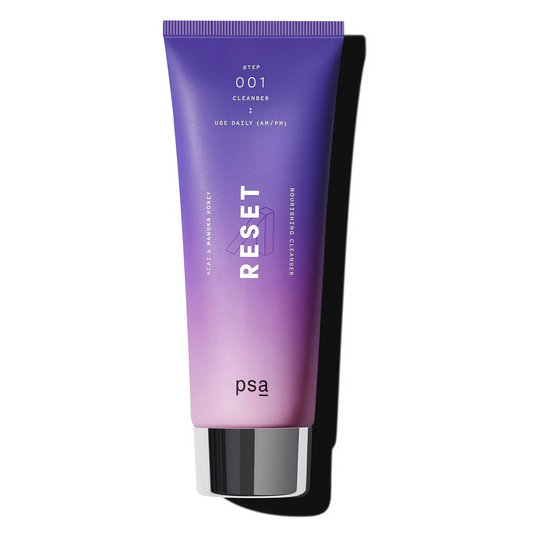 Acai & Manuka Honey Nourishing CleanserRegular price £30.00Sale price £30.00 Regular priceUnit price per
 -
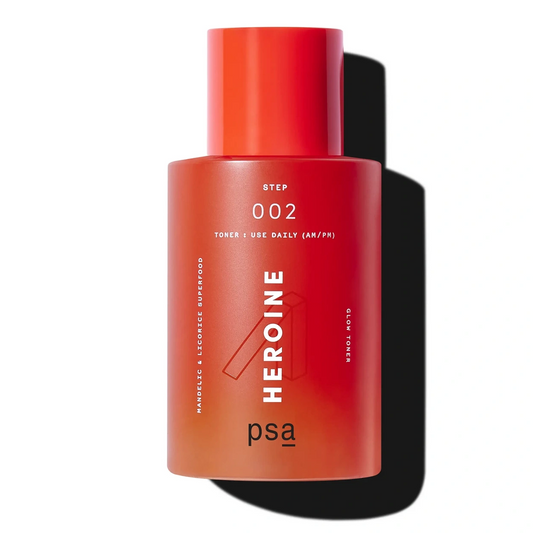 Awarded:
 Mandelic & Licorice Superfood Glow TonerRegular price £35.00Sale price £35.00 Regular priceUnit price per
 -
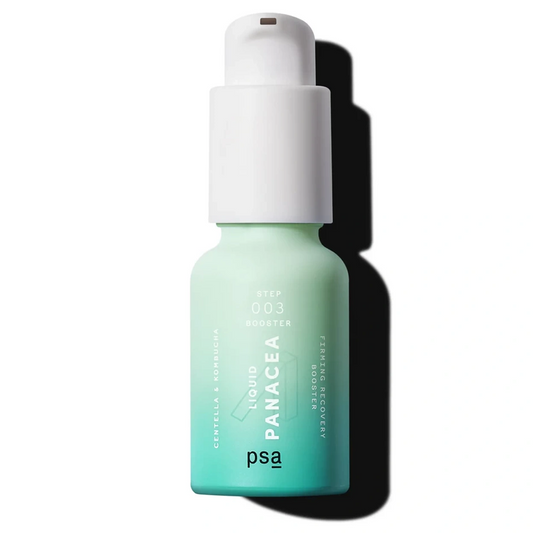 Centella & Kombucha Firming Recovery BoosterRegular price £30.00Sale price £30.00 Regular priceUnit price per
 -
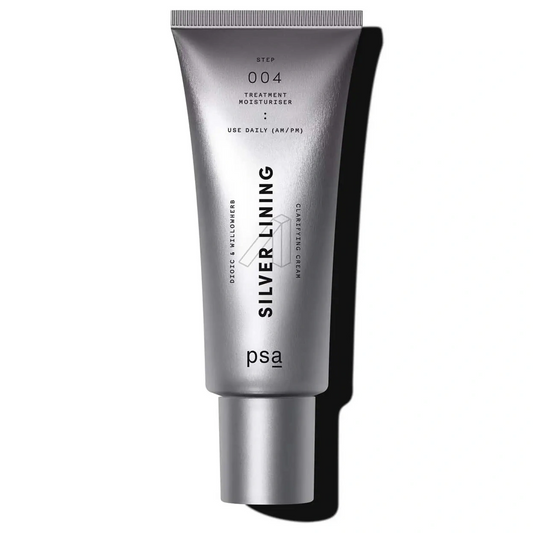 Dioic & Willowherb Clarifying CreamRegular price £37.00Sale price £37.00 Regular priceUnit price per

- Choosing a selection results in a full page refresh.
- Opens in a new window.