


Your face burns after cleansing. Again.
And you don't understand why because you're using the "gentle" cleanser. The one that says "for sensitive skin" right on the bottle. The one that cost a lot and promised it would be different this time.
But here you are, red, tight, stinging, and wondering what the hell is in this "gentle" formula that's making your face feel like you just washed it with fire.
Most people with sensitive skin are getting face washing completely wrong. Not because they're careless, but because the advice out there is either too vague ("use a gentle cleanser!") or actively harmful ("your skin just needs to adjust!").
Sensitive skin needs you to stop doing things that trigger it.
So, let's talk about what's actually irritating your skin when you wash your face, the hidden culprits in "gentle" cleansers that are anything but, and how to cleanse sensitive skin without your face staging a full revolt.
What "Sensitive Skin" Actually Means (And Why It's Reacting)
Sensitive skin isn't a skin type, but a skin condition.
You might have oily-sensitive skin. Dry-sensitive skin. Normal-sensitive skin. The "sensitive" part means your skin barrier is compromised, your nerve endings are hyperreactive, or your immune system is on high alert.
Why Your Skin Is Freaking Out
Compromised barrier: The lipid structure between your skin cells has gaps. Irritants get in easily. Water escapes. Everything stings.
Inflammation: Your skin is in a constant low-grade inflammatory state. It's already irritated before you even touch it.
Stress response: Cortisol weakens your barrier and increases reactivity. If you're chronically stressed (who isn't?), your skin is more sensitive than it would be otherwise.
Overuse of actives: You went too hard on retinol or acids, and now your barrier is wrecked. Your skin is reactive because it's been damaged.
Genetics: Some people just have more reactive skin. More nerve endings firing signals. Lower tolerance for irritation.
That’s why your skin reacts to things that wouldn't bother someone with a healthy, intact barrier. And face washing, which should be the gentlest step in your routine, becomes a minefield.
The #1 Mistake: Thinking "Foaming" Means "Clean"
Let's talk about that satisfying lather.
You know the feeling, pump your cleanser, work it into a rich foam, watch it bubble up, rinse it away, and feel that "squeaky clean" sensation.
That feeling is your skin screaming.
The Sulfate Problem
Most foaming cleansers use sulfates - specifically Sodium Lauryl Sulfate (SLS) or Sodium Laureth Sulfate (SLES) to create that lather. And sulfates are essentially industrial-strength detergents.
What sulfates do:
-
Strip away your skin's natural lipid barrier
-
Remove protective oils your skin needs to stay intact
-
Disrupt your skin's pH (which should be slightly acidic, around 4.5-5.5)
-
Create that tight, "clean" feeling (which is actually your barrier being destroyed)
For sensitive skin, this is a disaster.
Your barrier is already compromised. Sulfates make it worse. They create micro-disruptions that allow irritants to penetrate deeper, trigger more inflammation, and leave your skin defenseless.
What to Look For Instead
Gentle surfactants that clean without stripping:
-
Sodium Cocoyl Glutamate
-
Cocamidopropyl Hydroxysultaine
-
Decyl Glucoside
-
Coco-Glucoside
These clean effectively without destroying your barrier. They don't foam dramatically, which takes some getting used to. But your skin will thank you within a week.
Mistake #2: Using Water That's Too Hot (Or Too Cold)
You've heard "lukewarm water" your whole life, but do you actually use it? Or do you wash your face in the shower with water hot enough to fog up the entire bathroom?
Why Hot Water Wrecks Sensitive Skin
Hot water:
-
Dilates blood vessels (hello, redness that won't fade)
-
Strips lipids from your skin barrier faster than cold or lukewarm water
-
Increases inflammation
-
Triggers flushing in people with rosacea
-
Leaves your skin tight and dry
Think of your skin barrier like butter. Hot water melts it away. The protective lipid layer you need? Gone.
Why Ice-Cold Water Isn't the Answer Either
Cold water:
-
Doesn't remove oil and impurities as effectively
-
Can shock sensitive skin (especially rosacea-prone skin)
-
Doesn't allow your cleanser to work properly
The Goldilocks Zone
Lukewarm = barely warm to the touch. Not hot. Not cold. If you can't comfortably hold your wrist under the water for 30 seconds, it's too hot for your face.
Test the water temperature on the inside of your wrist before touching your face. It should feel neutral - neither warm nor cool.
Mistake #3: The Hidden Irritant in "Unscented" Products
You see "unscented" on the label and think you're safe. Your skin disagrees.
"Unscented" is not the same as "Fragrance-Free"
"Unscented" products often contain masking fragrances to cover up the natural smell of the ingredients.
So you're getting:
-
The chemicals that smell bad
-
PLUS the chemicals added to hide those smells
-
= More ingredients that can irritate your skin
"Fragrance-free" means no fragrance added for scent purposes. The product might still have a natural smell from the functional ingredients, but nothing extra was thrown in to make it "pleasant."
Why Fragrance Is the Enemy of Sensitive Skin
Fragrance is the #1 cause of cosmetic contact dermatitis. It's a cocktail of undisclosed chemicals (companies don't have to list the specific compounds under "fragrance"), and any one of them could trigger a reaction.
What to avoid:
-
"Fragrance" or "Parfum" on the ingredient list
-
"Natural Fragrance" (still irritating)
-
Essential oils (yes, even the "natural" ones)
-
Citrus extracts, lavender oil, tea tree oil, peppermint
Even if you're not actively allergic, fragrance compounds can cause low-grade irritation that weakens your barrier over time.
Mistake #4: Scrubbing Your Face Like a Dirty Pan
You wouldn't use steel wool on a sunburn. So why are you scrubbing your reactive, inflamed, sensitive skin?
The Mechanical Irritation Problem
When your skin is sensitive, aggressive physical contact makes everything worse:
-
Scrubbing with your hands too hard - micro-trauma to already inflamed skin
-
Using a washcloth - rough fibers create friction and irritation
-
Facial brushes or cleansing devices - way too aggressive for compromised skin
-
Exfoliating scrubs - physical abrasion on top of chemical disruption
Your skin is already in crisis mode. More disruption = more inflammation = slower healing.
The Right Way to Touch Sensitive Skin
Use your fingertips. Gently.
-
Barely-there pressure
-
Circular motions, not scrubbing
-
30-60 seconds max
-
Let the cleanser do the work, not your hands
Think of it like washing a delicate silk blouse, not scrubbing a countertop.
Mistake #5: Cleansing Too Often
This is where "twice a day" advice goes wrong for sensitive skin.
The Over-Cleansing Cycle
Every time you wash your face, you disrupt your barrier, even with a gentle cleanser. For healthy skin, this disruption is minor and quickly repaired. For sensitive skin? It's cumulative damage.
Over-cleansing sensitive skin:
-
Strips oils faster than your skin can replace them
-
Keeps your barrier in a constant state of repair (never fully healing)
-
Triggers more oil production to compensate (then you cleanse more, making it worse)
-
Increases reactivity to everything else in your routine
The paradox: You think your skin is "dirty" because it feels oily/irritated, so you wash more. But the washing is causing the oil and irritation.
What Sensitive Skin Actually Needs
At night: Full cleanse (non-negotiable—remove the day's grime)
In the morning: Water rinse or mist only
If your skin is sensitive and you're cleansing twice daily with a face wash, you might be perpetuating the problem.
Exceptions:
-
If you work out in the morning, cleanse after sweating
-
If you wake up genuinely oily (not just slightly dewy), a gentle cleanse is okay
-
If you use heavy oils or occlusives at night, you might need a light cleanse
But for most sensitive skin types, less is more in the AM.
Mistake #6: Not Rinsing Thoroughly Enough
You massaged your cleanser in, rinsed for 10 seconds, and moved on. But there's still product residue sitting on your skin.
Why This Matters for Sensitive Skin
Leftover cleanser:
-
Continues to disrupt your barrier even after you "rinsed"
-
Sits on your skin causing low-grade irritation
-
Interferes with the products you apply next
-
Can cause breakouts (especially around the hairline and jaw)
Count to 15. Rinse for at least 15 seconds, making sure you hit every area: hairline, jaw, behind your ears, neck.
Check for residue. After rinsing, gently press a clean tissue or cotton pad to different areas of your face. If it picks up any cleanser, you didn't rinse enough.
Mistake #7: Drying Your Face Too Aggressively
You just cleansed gently, rinsed thoroughly, and then... rubbed your face with a scratchy towel like you're drying off after a workout.
The Post-Cleanse Damage
Rubbing your face dry:
-
Creates friction on already-irritated skin
-
Disrupts the barrier you just tried so hard to protect
-
Increases redness
-
Can spread bacteria if your towel isn't clean (which, let's be honest, how often are you washing it?)
The Right Way to Dry Sensitive Skin
Pat. Don't rub.
Use a soft, clean towel (or better yet, a soft cotton t-shirt or microfiber cloth designed for faces). Gently press it against your skin to absorb water.
Leave skin slightly damp. You don't need to dry completely. Damp skin absorbs your next products better, especially hydrators like hyaluronic acid.
Pro tip: Use a fresh towel every time, or have a stack of small face towels you wash after every use. Bacteria buildup on towels can trigger breakouts and irritation.
Mistake #8: Following Up with the Wrong Products
Your cleanser might be perfect, but if you follow it with irritating products, your face will still freak out.
The Product Pile-On Problem
Sensitive skin can't handle a complex routine. Every additional product = another chance for irritation.
Common post-cleanse irritants:
-
Toners with alcohol or high-concentration acids
-
Serums with multiple harsh actives
-
Fragranced moisturizers
-
Thick occlusives that trap irritants underneath
The Sensitive Skin Follow-Up
Immediately after cleansing (on damp skin):
-
Hydrating mist (optional but helpful for extra moisture)
-
Simple hydrating serum (hyaluronic acid, panthenol, glycerin)
-
Barrier-repair moisturizer (ceramides, niacinamide, cholesterol)
-
SPF in the morning (mineral sunscreen usually better tolerated)
That's it. No layering five serums. Just hydration, barrier support, and protection.
What a Proper Sensitive-Skin Cleansing Routine Looks Like
Let's put it all together.
Night Routine (The Full Cleanse)
Step 1: Check your water temperature. Test on your wrist. Adjust to lukewarm (barely warm).
Step 2: Wet your face. Splash lukewarm water on your face. Don't rub.
Step 3: Apply cleanser. Use a small amount (half pump or dime-sized). Less is more for sensitive skin.
Step 4: Gently massage for 30-60 seconds. Fingertips only. Light pressure. Circular motions. Focus on areas that need cleansing (T-zone, where you applied SPF).
Step 5: Rinse thoroughly. Count to 15. Make sure you hit hairline, jawline, neck.
Step 6: Pat dry clean, soft towel or even better a tissue paper. Press gently. Leave slightly damp.
Step 7: Immediate hydration. Apply your next product within 60 seconds while skin is still damp.
Morning Routine (The Gentle Approach)
For most sensitive skin types:
-
Splash face with lukewarm water (no cleanser)
-
Pat dry gently
-
Apply hydrating mist (optional)
-
Continue with hydrating serum and moisturizer
-
SPF
If you genuinely need a cleanse:
-
Use HALF the amount of cleanser you'd use at night
-
Massage for only 20-30 seconds
-
Rinse thoroughly
-
Pat dry, leave damp
-
Hydrate immediately
The Ingredients Your Sensitive Skin Actually Needs
While we're talking about what to avoid, let's talk about what helps.
Barrier-Repair Ingredients
Ceramides: Rebuild the lipid structure between skin cells
Cholesterol: Works with ceramides to form a protective barrier
Fatty acids: Complete the lipid trio for barrier repair
Soothing & Anti-Inflammatory
Panthenol (Provitamin B5): Deeply hydrating, calming, supports healing
Niacinamide: Strengthens barrier, reduces inflammation, calms redness
Centella Asiatica: Adaptogenic, anti-inflammatory, supports repair
Bisabolol: Soothes irritation, reduces redness
Beta-Glucan: Calms inflammation, supports immune function
Allantoin: Soothes and protects
Hydration Without Irritation
Glycerin: Humectant that draws water to skin
Hyaluronic Acid: Holds moisture in skin
Sodium PCA: Natural moisturizing factor
Red Flags: When to Stop Using a Cleanser
Your skin will tell you when something's wrong. Listen to it.
Stop immediately if you experience:
-
Burning or stinging during cleansing
-
Tightness that lasts more than a few minutes after cleansing
-
Redness that doesn't fade within 10-15 minutes
-
Itching or flaking
-
Increased breakouts (especially small bumps or rash-like texture)
-
Your skin feeling "raw" or extra sensitive to other products
These are signs your cleanser is damaging your barrier.
A Sensitive Skin Cleansing Success Story
What actually work for sensitive skin? RESET Acai & Manuka Honey Nourishing Cleanser.
This is the cleanser designed for skin that's been burned (literally or figuratively) by harsh formulas.
Why RESET Works for Sensitive Skin
RESET is sulfate-free. Uses Sodium C14-16 Olefin Sulfonate and Cocamidopropyl Hydroxysultaine - gentle surfactants that clean without stripping.
Nourishing, not just cleansing:
-
Manuka Honey UMF 17+ (antibacterial but soothing)
-
Acai Berry (antioxidant protection)
-
Grapeseed Oil (moisturizing, vitamin E-rich)
-
Yogurt Powder (probiotics for skin barrier support)
No fragrance, no essential oils, no dyes: Nothing extra that could trigger a reaction. It smells like acai and honey because that's what's in it—not because fragrance was added.
Can be used on dry skin first: If you're wearing SPF or makeup, massage RESET onto dry skin to dissolve everything, then add water. No need for a separate makeup remover that could irritate.
Hydration: Your skin won't feel tight or stripped after cleansing.
How to Use RESET for Maximum Gentleness
At night (full cleanse):
-
If wearing SPF/makeup - Massage onto dry skin for 30 seconds
-
Add lukewarm water and continue massaging for another 30 seconds
-
Rinse thoroughly (count to 15)
-
Pat dry gently
-
Follow immediately with hydrating serum + moisturizer
In the morning (if needed):
-
Use half pump on damp skin
-
Massage gently for 20 seconds
-
Rinse thoroughly
-
Pat dry, continue routine
If your skin is extremely reactive, use RESET only at night and skip morning cleansing entirely. Your skin will tell you if it prefers this approach—less redness, less tightness, faster barrier recovery.
Final Thoughts: Sensitive Skin Needs Simplicity, Not Solutions
Here's what most people get wrong about sensitive skin, they think they need to add more products to "fix" it.
More soothing serums. More barrier creams. More calming masks.
But the truth is simpler. Stop doing the things that are breaking your skin.
-
Stop using sulfates
-
Stop washing with hot water
-
Stop scrubbing
-
Stop cleansing twice daily if your skin hates it
-
Stop using products with fragrance
-
Stop adding more steps
Your sensitive skin doesn't need fixing. It needs less disruption.
A gentle, sulfate-free cleanser used once daily with lukewarm water and soft hands will do more for your skin than any "miracle" product that promises to "repair" the damage you keep causing.
Start Here
If your face currently burns every time you cleanse:
-
Switch to a truly gentle cleanser (sulfate-free, fragrance-free, pH-balanced)
-
Check your water temperature (lukewarm = just barely warm)
-
Cleanse once daily at night only (water rinse in the morning)
-
Stop scrubbing (fingertips, gentle pressure, 30 seconds max)
-
Pat dry, don't rub (clean towel, leave skin damp)
-
Hydrate immediately (while skin is still damp)
Give your skin 2 weeks of this routine. No other changes. Just gentle cleansing and basic hydration.
Your skin barrier can repair itself when you stop attacking it. It just needs you to give it a break.
Related Posts


-
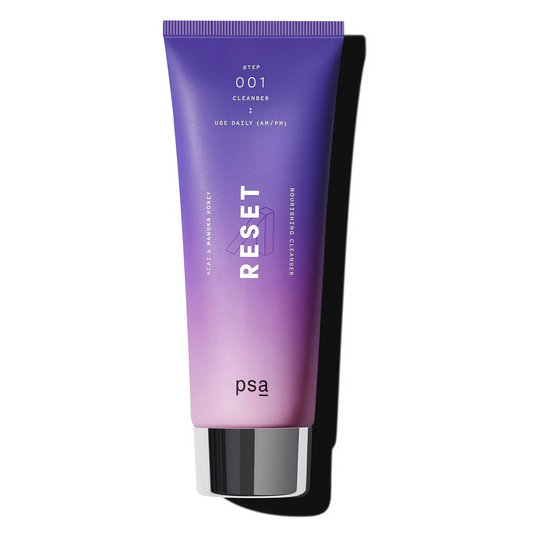 Acai & Manuka Honey Nourishing CleanserRegular price £30.00Sale price £30.00 Regular priceUnit price per
 -
 Awarded:
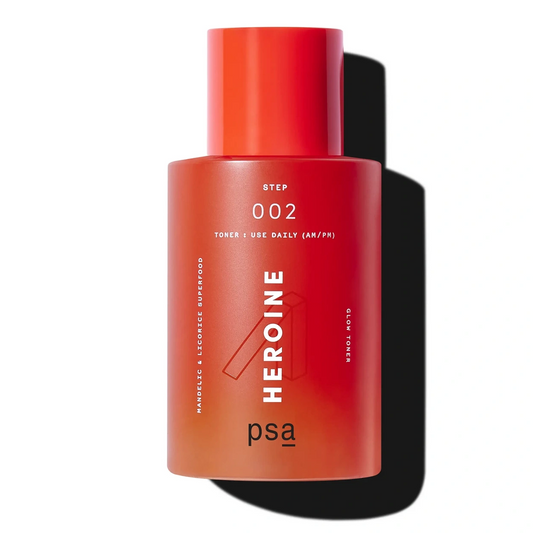
 Mandelic & Licorice Superfood Glow TonerRegular price £35.00Sale price £35.00 Regular priceUnit price per
 -
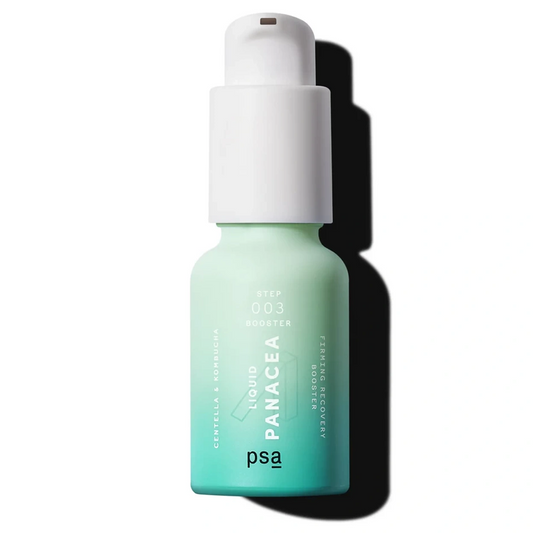 Centella & Kombucha Firming Recovery BoosterRegular price £30.00Sale price £30.00 Regular priceUnit price per
 -
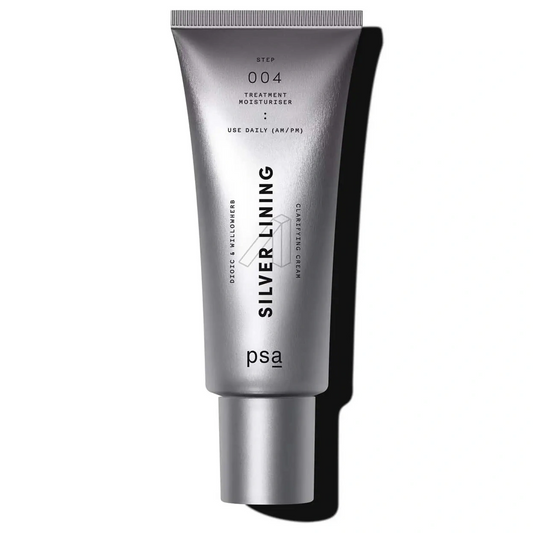 Dioic & Willowherb Clarifying CreamRegular price £37.00Sale price £37.00 Regular priceUnit price per

- Choosing a selection results in a full page refresh.
- Opens in a new window.