


Your skin is inflamed, reactive, and probably over-treated. Sound familiar?
When breakouts, redness, or sensitivity strike, the instinct is to go aggressive - strong acids, high-percentage actives, anything to clear it fast. But here's what actually happens. Inflammation drops temporarily, then returns worse because your skin's defense system - the barrier is compromised.
If you've been cycling through "powerful" treatments that work for a week then make everything worse, you're not addressing the real problem. Inflammation and barrier disruption aren't separate issues. They're connected. And when stress is involved, they're part of the same biological cascade.
The Real Cause: Stress-Induced Inflammation
Your skin and brain are in constant conversation. When you're chronically stressed - overworked, under-slept, doom-scrolling at midnight - your body releases cortisol. That stress hormone doesn't just live in your head. It shows up on your skin.
Here's the biological cascade:
-
Stress triggers cortisol elevation
-
Cortisol increases skin inflammation (more oil production, inflammatory cytokines released)
-
Inflammation disrupts your skin barrier (lipid production slows, moisture escapes, irritants get in)
-
Compromised barrier = more inflammation (the cycle perpetuates)
You can't treat inflammation without addressing barrier function. And you can't repair the barrier without calming the inflammatory response. They're two sides of the same coin.
This is psychodermatology: understanding that your skin's biological stress response is inseparable from what's happening on the surface.
Why Most Anti-Inflammatory Treatments Backfire
The standard approach to inflamed skin:
-
Strip away oil with harsh cleansers
-
Hit it with strong acids or retinoids
-
Maybe add a "calming" moisturizer at the end
The problem? You're treating the symptom (inflammation) while actively destroying the solution (a functional barrier).
Common mistakes that wreck your barrier while fighting inflammation:
-
Over-exfoliating – Daily acids strip lipids faster than your skin can replace them
-
Denatured alcohol-heavy products – Dries out skin, triggers more oil production, worsens inflammation
-
Skipping hydration – Dehydrated skin can't repair itself or regulate sebum properly
-
Using only anti-bacterial actives – Kills surface bacteria but doesn't address why inflammation keeps returning (hint: it's stress)
Your skin doesn't need more aggressive treatment. It needs barrier-friendly anti-inflammatory ingredients that address both the biological stress response and visible inflammation.
The Barrier-Friendly Inflammation Approach
Step 1: Calm the Nervous System Response, Not Just the Skin
Centella Asiatica (Cica) is your reset button. Unlike surface-level anti-inflammatories, Centella works on two biological levels:
Level 1: Nervous System Centella modulates your body's stress response system. This reduces the cortisol spike that triggers skin inflammation in the first place. It's addressing the root cause, not just the symptom.
Level 2: Skin Barrier Centella boosts:
-
Ceramide synthesis (the lipids that hold your barrier together)
-
Collagen production (strengthens skin structure)
-
Wound healing (repairs damage from inflammation)
In clinical studies, Centella extract showed:
-
68% improvement in skin firmness
-
44% reduction in redness
-
Significant acceleration in wound healing
Where to find it: LIQUID PANACEA Centella & Kombucha Firming Recovery Booster features 5% Centella Asiatica Extract + Centella Meristem Cells alongside Madecassoside—the most active compound in Centella. This formula targets both the stress trigger and visible inflammation while supporting barrier repair.
Step 2: Use Anti-Inflammatory Actives That Don't Compromise the Barrier
Not all anti-inflammatory ingredients are created equal. Some calm inflammation while actively supporting your barrier. These are the ones to prioritize:
Niacinamide (Vitamin B3)
-
Reduces inflammatory cytokines (the molecules that cause redness and irritation)
-
Strengthens barrier lipids (ceramides increase by up to 34%)
-
Regulates sebum production (less oil = less inflammation)
-
Fades post-inflammatory hyperpigmentation
Found in: VISIBLE IMPROVEMENT Peptides & Niacinamide Serum (10% Niacinamide), DEW HALO Niacinamide & Blackberry Mist (5% Niacinamide), SILVER LINING Dioic & Willowherb Clarifying Cream
Bisabolol
-
Derived from chamomile, but far more stable
-
Soothes irritation without causing sensitization
-
Anti-inflammatory and antimicrobial (helps with breakout-related inflammation)
-
Small molecular size = penetrates deeply without disrupting barrier
Found in: LIQUID CLARITY BHA & Bakuchiol Blemish Recovery Booster, SILVER LINING, THE MOST Hyaluronic Super Nutrient Hydration Serum
Panthenol (Pro-Vitamin B5) + Beta-Glucan
-
Panthenol: Deeply hydrating, reduces transepidermal water loss, accelerates barrier repair
-
Beta-Glucan: Activates immune cells to reduce inflammation, protects against environmental stressors
-
Together: Hydrate and repair while lowering inflammatory markers
Found in: THE MOST Hyaluronic Super Nutrient Hydration Serum, VISIBLE IMPROVEMENT Serum, HEROINE Mandelic & Licorice Superfood Glow Toner
Licorice Root Extract
-
Contains glabridin—a compound that inhibits tyrosinase (reduces pigmentation)
-
Anti-inflammatory properties calm active redness
-
Brightens post-inflammatory marks (the dark spots left after breakouts heal)
Found in: HEROINE Toner, GOALS Multi Acids & Probiotics Perfecting Night Serum, LIQUID CLARITY booster
Step 3: Pair Clarifying Actives with Barrier Repair
If you're dealing with breakouts or congestion, you still need exfoliating or clarifying actives. The key is pairing them with barrier-supporting ingredients so you're not stripping while you treat.
The smart pairing strategy:
|
Clarifying Active |
Barrier Support |
Anti-Inflammatory |
|
BHA (Salicylic Acid) |
Hyaluronic Acid, Sodium PCA |
Bisabolol, Centella |
|
Mandelic Acid |
Panthenol, Allantoin |
Licorice Root, Kombucha |
|
Glycolic + Lactic Acid |
Beta-Glucan, Probiotics |
Tamanu Oil, Green Tea |
Example: SILVER LINING Clarifying Cream
This is how you treat breakouts without wrecking your barrier:
-
4% Dioic Acid + Willowherb Complex – Clarifies breakouts, regulates sebum
-
1% Zinc PCA – Anti-inflammatory, controls oil production
-
Centella Asiatica + Lactobacillus Ferment – Calms inflammation, supports barrier recovery
-
Colloidal Silver – Antimicrobial without disrupting microbiome
Result: Clearer skin without the dryness, flaking, or rebound inflammation.
Example: LIQUID CLARITY BHA & Bakuchiol Blemish Recovery Booster
-
2% BHA (Salicylic Acid) – Unclogs pores, reduces inflammation inside the follicle
-
1% Bakuchiol – Retinol alternative that reduces all types of imperfections without irritation
-
2% Zinc PCA – Regulates sebum, anti-inflammatory
-
Hyaluronic Acid + Licorice Root – Hydrate and brighten while BHA works
Use this as a targeted booster—mix it with your serum or moisturizer, or apply directly to breakout areas. The BHA treats inflammation at the source (inside pores) while supportive ingredients prevent barrier damage.
Step 4: Hydrate Like Your Barrier Depends On It (It Does)
Dehydrated skin = compromised barrier = more inflammation. It's that simple.
When your skin lacks water, it can't:
-
Regulate oil production properly (leads to more breakouts)
-
Repair damage efficiently (inflammation lingers longer)
-
Protect against environmental stressors (more irritation, more inflammation)
The hydration strategy:
Layer 1: Humectants (Pull Water Into Skin)
-
Hyaluronic Acid (multiple molecular weights penetrate different depths)
-
Sodium PCA (naturally occurring humectant in skin)
-
Glycerin (holds 1000x its weight in water)
Found in: THE MOST Hyaluronic Super Nutrient Hydration Serum features multiple molecular weights of Hyaluronic Acid + Sodium PCA + Panthenol. Apply to very damp skin so it pulls moisture in, not out.
Layer 2: Barrier Repair (Lock Water In)
-
Niacinamide (boosts ceramide production)
-
Beta-Glucan (strengthens barrier integrity)
-
Bisabolol (reduces inflammation while supporting lipid barrier)
Layer 3: Occlusives (Seal Everything In)
-
Squalane (biomimics skin's natural oils, non-comedogenic)
-
Plant oils rich in omegas (support lipid barrier without clogging)
Pro tip: If you're treating inflammation, never skip hydration. Even oily, acne-prone skin needs water. Oil production often increases when skin is dehydrated as a compensatory mechanism.
The Anti-Inflammation Protocol (Without Barrier Damage)
Here's how to structure your routine when dealing with stress-induced inflammation:
Morning Routine: Protect & Soothe
-
Cleanse gently – RESET Acai & Manuka Honey Nourishing Cleanser (sulfate-free, doesn't strip)
-
Hydrating mist – DEW HALO Niacinamide & Blackberry Mist (preps skin, delivers Niacinamide)
-
Barrier repair serum – THE MOST Hyaluronic Super Nutrient Hydration Serum (on damp skin)
-
Anti-inflammatory treatment – LIQUID PANACEA Centella & Kombucha Booster (addresses stress response)
-
Moisturizer – SILVER LINING Clarifying Cream if breakout-prone
-
SPF – Always. Inflammation increases sun sensitivity.
Evening Routine: Repair & Reset
-
Double cleanse – RESET Cleanser (massage onto dry skin first to remove SPF/makeup, rinse, repeat on damp skin)
-
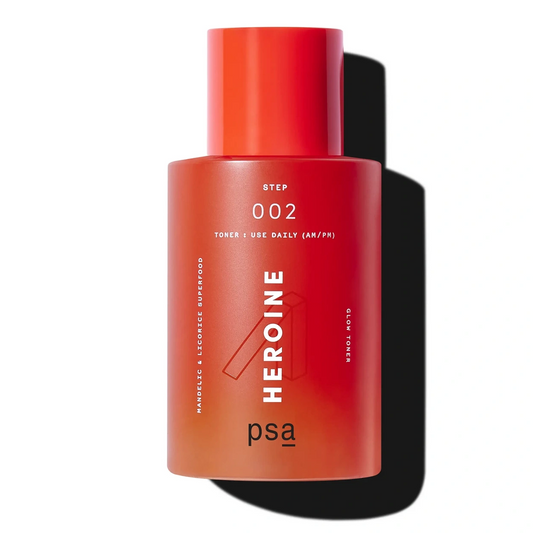
Gentle exfoliation (2-3x weekly, not daily) – HEROINE Mandelic & Licorice Toner (6% Mandelic + Lactic Acid, gentle enough for stressed skin)
-
Hydration – THE MOST Serum on very damp skin
-
Targeted treatment – LIQUID CLARITY if dealing with active breakouts (mix with moisturizer or apply to spots)
-
Barrier repair – LIQUID PANACEA or MIDNIGHT COURAGE Rosehip & Bakuchiol Night Oil (seal everything in, support overnight repair)
Weekly Treatments
-
Exfoliating mask (1x weekly max) – FOLLOW THE LIGHT Multi Acids & Vitamin C Radiance Peel (10.5% Glycolic + Lactic + BHA + 5% Vitamin C)
-
Hydrating mask (2-3x weekly) – LIGHT UP Vitamin C & E Flash Brightening Mask (hydrates while fading post-inflammatory marks)
The key principle: If you're exfoliating or using actives one night, double down on barrier repair the next. Don't hit inflamed skin with aggressive treatments every single day.
What to Avoid When Treating Inflammation
- Over-exfoliating "More acids = faster results" is a myth. Daily exfoliation strips your barrier faster than your skin can repair it. Result: more inflammation, not less.
Guideline: Exfoliating actives 2-4x per week max, depending on skin tolerance. If you're using a strong treatment like GOALS Night Serum (12% Multi-Acids), that's your exfoliation for the week.
- Mixing too many actives at once Retinoids + AHAs + BHA + Vitamin C all in one routine = barrier chaos.
Guideline: One primary active per routine. Support it with barrier-repair ingredients, not more actives.
- Skipping moisturizer because "my skin is oily" Oily skin can still have a compromised barrier. Skipping hydration makes inflammation worse.
Guideline: Use lightweight, non-comedogenic moisturizers. SILVER LINING is formulated specifically for breakout-prone skin that still needs barrier support.
- Using harsh, stripping cleansers If your cleanser leaves your face feeling "squeaky clean," it's stripping your barrier.
Guideline: Cleansers should remove dirt and oil without leaving skin tight or dry.
- Ignoring the stress connection You can't out-skincare chronic stress. But you can use ingredients that address the biological stress response.
Guideline: Prioritize adaptogens (Centella), barrier-repair ingredients (Niacinamide, Ceramides), and simple routines. Complexity adds stress-to you and your skin.
Why Psychodermatology Matters
You can buy the perfect anti-inflammatory serum, but if your cortisol levels are chronically elevated, your skin will keep reacting.
Psychodermatology isn't about telling you to "just relax" (useless advice). It's about understanding the biological mechanisms linking stress and skin—and choosing ingredients that address both.
Ingredients that work on the skin-brain axis:
-
Centella Asiatica – Modulates stress response, repairs barrier
-
Kombucha (fermented black tea) – Antioxidant, anti-inflammatory, supports microbiome
-
Probiotics (Lactobacillus Ferment) – Calms inflammation, strengthens barrier, supports skin's natural defense
-
Adaptogens (Gotu Kola, Green & White Tea) – Protect against stress-induced damage
These calming ingredients interrupt the biological cascade that turns stress into inflammation.
This is why PSA formulates around the Reset Ritual: Skincare that resets your skin—and how you feel in it.
Not because skincare solves burnout. But because when your skin isn't adding to your stress, it's one less thing draining your bandwidth.
The Bottom Line: Treat Inflammation + Protect Barrier = Reset
Inflammation and barrier damage aren't two separate problems. They're the same problem showing up differently.
When you address one without the other, you're just cycling through temporary fixes. The breakouts come back. The redness returns. The sensitivity gets worse.
But when you treat inflammation with barrier-friendly ingredients—Centella, Niacinamide, Bisabolol, Panthenol, Hyaluronic Acid—while understanding the stress-skin connection, something shifts.
Your skin stops reacting to everything. Breakouts heal faster and don't leave dark marks. Redness calms down and stays calm. Your barrier gets strong enough to handle normal life without falling apart.
That's just what happens when you stop fighting your skin and start supporting it.
Related Posts


-
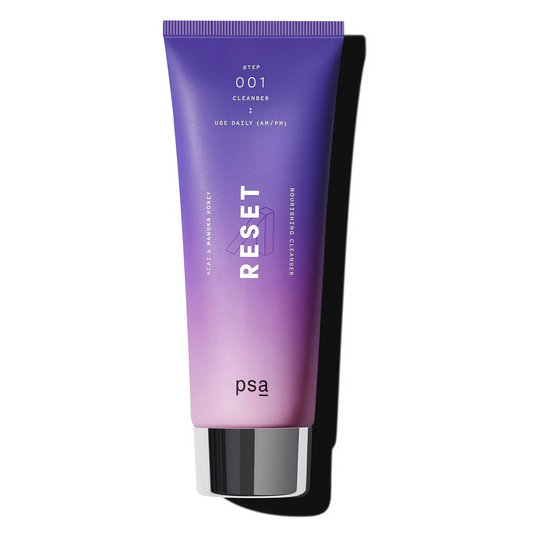 Acai & Manuka Honey Nourishing CleanserRegular price £30.00Sale price £30.00 Regular priceUnit price per
 -
 Awarded:
 Mandelic & Licorice Superfood Glow TonerRegular price £35.00Sale price £35.00 Regular priceUnit price per
 -
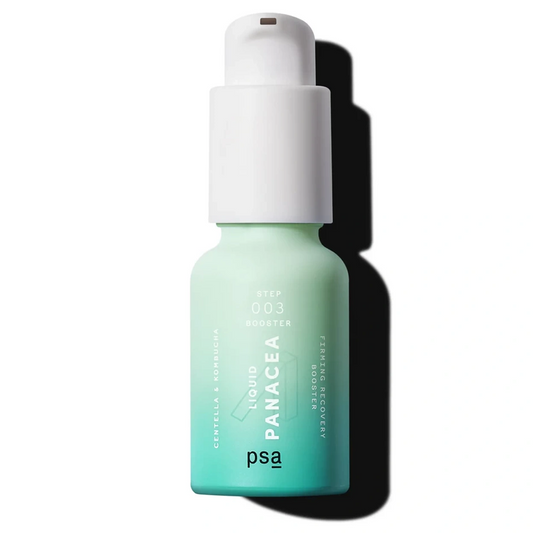 Centella & Kombucha Firming Recovery BoosterRegular price £30.00Sale price £30.00 Regular priceUnit price per
 -
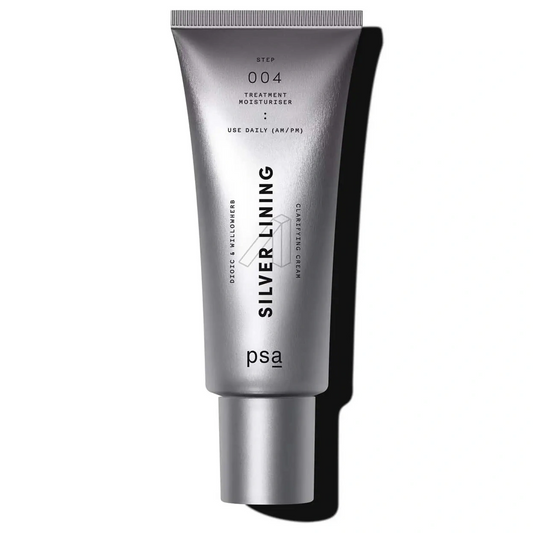 Dioic & Willowherb Clarifying CreamRegular price £37.00Sale price £37.00 Regular priceUnit price per

- Choosing a selection results in a full page refresh.
- Opens in a new window.