


If you have melanin-rich skin, you've probably noticed something frustrating: a lot of "brightening" and "exfoliating" toners that work beautifully for fair skin can wreck yours.
You get irritation. Dryness. And worst of all, post-inflammatory hyperpigmentation (PIH). Those dark marks that linger for months after a single breakout or irritation episode.
Melanin-rich skin produces more melanin (that's what gives it its beautiful depth and tone). But it also means your skin is more reactive to inflammation. Any irritation, chemical or physical, can trigger excess melanin production, leaving behind dark spots that are harder to fade than the original issue.
So when it comes to toners, you need ingredients that:
-
Exfoliate gently (no harsh, stripping acids)
-
Brighten without irritation (no aggressive actives that trigger inflammation)
-
Address hyperpigmentation (fade existing dark spots, prevent new ones)
-
Strengthen the barrier (protect against moisture loss and irritation)
Let's break down what actually works for melanin-rich skin, and what you should skip entirely.
Why Melanin-Rich Skin Needs Different Toner Ingredients
Melanin-rich skin (Fitzpatrick skin types IV, V, and VI are medium brown to deep brown and Black skin) has specific characteristics that affect how it responds to skincare:
1. Higher Melanin Production = More Reactive to Inflammation
Melanin is produced by melanocytes (pigment cells) in response to UV exposure, hormones, and, critically, inflammation.
What this means for toners: When you use a harsh exfoliating acid that irritates your skin, your melanocytes go into overdrive. They pump out excess melanin to "protect" the area. You get dark marks that can last months or even years.
The fix: Choose gentle exfoliants that won't trigger inflammation. Mandelic Acid and Lactic Acid are your friends. Glycolic Acid at high concentrations? Not so much (unless well-formulated and used carefully).
2. More Prone to Post-Inflammatory Hyperpigmentation (PIH)
PIH (those dark marks left after breakouts, irritation, or injury) is the #1 skin concern for people with melanin-rich skin. And it's directly triggered by inflammation.
What this means for toners: Your toner shouldn't just exfoliate. It should also calm inflammation and actively work to prevent PIH from forming.
The fix: Look for toners that combine gentle exfoliation with anti-inflammatory ingredients (Licorice Root, Niacinamide, Centella Asiatica, Bisabolol).
3. Transepidermal Water Loss (TEWL) Is Higher
Melanin-rich skin has slightly higher TEWL, meaning moisture escapes more easily. This can lead to dehydration, which makes skin dull, rough, and more prone to irritation.
What this means for toners: Exfoliating toners that strip your skin will make dehydration worse. You need toners that exfoliate and hydrate simultaneously, or prep your skin for better hydration.
The fix: Toners with humectants (Glycerin, Hyaluronic Acid, Sodium PCA) alongside exfoliants, or hydrating prep toners that strengthen your barrier before applying actives.
4. "Ashy" Appearance When Dehydrated
Dehydrated melanin-rich skin often looks dull, grayish, or "ashy", a buildup of dead skin cells that haven't been properly exfoliated away.
What this means for toners: Gentle, consistent exfoliation is key. You need to remove that buildup without irritating your skin or triggering PIH.
The fix: Mandelic Acid (large molecule, slow penetration, gentle) or Lactic Acid (hydrating while exfoliating) used 2-4x per week.
The Best Ingredients in Toners for Melanin-Rich Skin
1. Mandelic Acid (The Gentle Giant)
Mandelic Acid is an AHA (Alpha Hydroxy Acid) derived from bitter almonds. It's the best exfoliating acid for melanin-rich skin because:
Why it's ideal:
-
Large molecular size → Penetrates slowly, which means less irritation
-
Gentle exfoliation → Removes dead skin cells without stripping or inflaming
-
Antibacterial properties → Reduces breakouts (which cause PIH)
-
Brightening effect → Fades hyperpigmentation without triggering new dark spots
-
Well-tolerated → Even sensitive, reactive melanin-rich skin can usually handle it
What to look for:
-
Concentration: 5-10% Mandelic Acid (sweet spot for effectiveness without irritation)
-
pH: 3.5-4.0 (properly formulated for exfoliation without being too harsh)
-
Paired with: Hydrating ingredients (Glycerin, Hyaluronic Acid) and anti-inflammatory botanicals (Licorice Root, Centella)
When to use: Start 2-3x per week, work up to daily if tolerated. Always follow with SPF in the morning.
2. Lactic Acid (Gentle + Hydrating)
Lactic Acid is another AHA, derived from milk (or synthetically produced). It's slightly larger than Glycolic Acid but smaller than Mandelic Acid—making it a middle-ground option.
Why it works for melanin-rich skin:
-
Hydrating while exfoliating → Doesn't strip moisture like harsher acids
-
Brightens hyperpigmentation → Effective for fading PIH
-
Gentle enough for sensitive skin → Less irritation than Glycolic Acid
-
Improves texture → Removes dullness and "ashy" appearance
What to look for:
-
Concentration: 5-10% Lactic Acid
-
Often paired with Mandelic Acid for synergistic gentle exfoliation
Best for: Dehydrated melanin-rich skin that needs exfoliation + hydration in one step.
3. Niacinamide (The Multi-Tasker)
Niacinamide (Vitamin B3) isn't an exfoliant, but it's one of the most important ingredients for melanin-rich skin in a toner.
Why it's essential:
-
Fades hyperpigmentation → Inhibits melanosome transfer (melanin moving from one cell to another)
-
Brightens overall tone → Evens skin without irritation
-
Strengthens barrier → Increases ceramide production (reduces TEWL)
-
Anti-inflammatory → Calms reactive skin, prevents PIH formation
-
Regulates oil → Reduces breakouts (which lead to PIH)
What to look for:
-
Concentration: 2-5% in toners (higher in serums)
-
Can be in an exfoliating toner (paired with Mandelic Acid) or a hydrating prep toner
When to use: Daily, morning and evening. Pairs beautifully with exfoliating acids.
4. Licorice Root Extract (The Brightening Soother)
Licorice root contains glabridin, a compound that inhibits tyrosinase (the enzyme that produces melanin) without irritation.
Why it's perfect for melanin-rich skin:
-
Brightens hyperpigmentation → Fades dark spots gently
-
Anti-inflammatory → Calms irritation that triggers PIH
-
No irritation risk → Safe for sensitive, reactive skin
-
Works synergistically → Enhances the brightening effect of acids and Niacinamide
What to look for:
-
Listed in the first 10 ingredients (meaningful concentration)
-
Often paired with exfoliating acids (buffers irritation while brightening)
Best for: Post-breakout marks, sun spots, uneven tone—especially when inflammation is a trigger.
5. Centella Asiatica (Cica) (The Inflammation Fighter)
Centella Asiatica, also known as Cica or Gotu Kola, is an adaptogenic herb with powerful anti-inflammatory and wound-healing properties.
Why it matters for melanin-rich skin:
-
Reduces inflammation → Prevents the trigger for excess melanin production
-
Speeds healing → Post-breakout marks fade faster
-
Strengthens barrier → Boosts ceramide and collagen production
-
Calms reactive skin → Reduces redness and sensitivity
What to look for:
-
Centella Asiatica Extract or Centella Asiatica Leaf Extract in the formula
-
Often paired with acids to buffer potential irritation
Best for: Stressed, reactive, breakout-prone melanin-rich skin that's dealing with PIH.
6. Hyaluronic Acid + Glycerin (Hydration Heroes)
Melanin-rich skin has higher TEWL (moisture escapes faster), so hydration in your toner is critical.
Why hydration matters:
-
Plump, hydrated skin → Glows naturally (no dullness or "ashy" look)
-
Strong barrier → Less irritation, less PIH
-
Better product absorption → Serums and treatments penetrate more effectively on hydrated skin
What to look for:
-
Hyaluronic Acid (multiple molecular weights for deep + surface hydration)
-
Glycerin (humectant that draws moisture into skin)
-
Sodium PCA (naturally occurring humectant)
Best for: Dehydrated melanin-rich skin, or as a prep step before exfoliating acids.
What to AVOID in Toners for Melanin-Rich Skin
❌ High-Percentage Glycolic Acid (Without Buffering Ingredients)
Glycolic Acid is the smallest AHA, which means it penetrates fast and deep. For fair skin, this is great. For melanin-rich skin, it's a PIH risk.
The problem:
-
Penetrates too aggressively → Can cause irritation
-
Irritation in melanin-rich skin → Triggers excess melanin production
-
More dark spots, not fewer
Exception: If Glycolic Acid is in a well-formulated toner at moderate concentrations (5-8%) and paired with anti-inflammatory ingredients (Licorice Root, Niacinamide, Centella), it can work. But it's riskier than Mandelic or Lactic Acid.
Better choice: Mandelic Acid or Lactic Acid, same exfoliation benefits, less irritation risk.
❌ Denatured Alcohol (SD Alcohol, Alcohol Denat)
Denatured alcohol is used in many toners to create a "lightweight" feel and help products dry quickly. But it's incredibly drying and irritating.
The problem:
-
Strips skin barrier → Increases TEWL (moisture loss)
-
Causes inflammation → Triggers PIH
-
Creates rebound oiliness → Skin overproduces oil to compensate
-
Long-term use → Chronic dryness, sensitivity, uneven tone
What to look for instead: Alcohol-free toners with hydrating bases (water, glycerin, aloe).
❌ Harsh Astringents (Witch Hazel with Alcohol, High-Percentage Salicylic Acid)
Witch hazel itself isn't bad, it has anti-inflammatory properties. But most witch hazel toners contain high amounts of alcohol, which strips and irritates skin.
High-percentage BHA (Salicylic Acid) can also be too harsh in a toner for melanin-rich skin, it's better used as a targeted treatment.
The problem:
-
Strips barrier → Inflammation → PIH
-
Doesn't address hyperpigmentation (just clears pores)
-
Too drying for most melanin-rich skin types
Better choice: Gentle exfoliating acids (Mandelic, Lactic) that brighten while they exfoliate, or alcohol-free witch hazel formulations.
❌ Fragrance (Synthetic or Essential Oils)
Fragrance is one of the most common causes of skin irritation and allergic reactions, and irritation in melanin-rich skin leads to PIH.
The problem:
-
Can trigger contact dermatitis → inflammation → dark spots
-
No skincare benefit (purely cosmetic)
-
Especially risky in leave-on products like toners (not rinsed off)
What to look for instead: Fragrance-free, essential oil-free formulas. If a product smells like anything, it should be the natural scent of the ingredients—not added fragrance.
❌ Physical Exfoliants (Scrubs, Microbeads) in Toner Form
Some "exfoliating toners" include physical exfoliants, tiny particles that scrub away dead skin. For melanin-rich skin, this is a terrible idea.
The problem:
-
Micro-tears in skin → inflammation → PIH
-
Uneven exfoliation → some areas over-exfoliated, others under-exfoliated
-
Too harsh for reactive, PIH-prone skin
Better choice: Chemical exfoliation (Mandelic Acid, Lactic Acid) is gentler, more even, and less likely to cause irritation.
How to Use a Toner for Melanin-Rich Skin
Step 1: Cleanse First
Always apply toner to clean, freshly cleansed skin. If you're wearing SPF or makeup, double cleanse (oil cleanser first, water-based cleanser second) to remove all residue.
Step 2: Apply Toner
Two methods:
Method 1: Cotton Pad (for exfoliating toners)
-
Saturate a reusable cotton pad (better for skin and environment than disposable)
-
Sweep across face, neck, and décolletage in upward motions
-
Avoid the eye area (too delicate for exfoliating acids)
-
Don't scrub or press hard—gentle, sweeping motions
Method 2: Pat with Hands (for hydrating toners)
-
Pour a small amount into palms
-
Press and pat into skin (helps absorption)
-
More hygienic than cotton pads (no fiber residue)
-
Better for hydrating mists or essence-type toners
Step 3: Follow with the Rest of Your Routine
After toner, apply:
-
Serums (hydrating, brightening, or targeted treatments)
-
Moisturizer (seal everything in)
-
SPF (morning only—non-negotiable for preventing dark spots)
How often to use exfoliating toners:
-
Start: 2x per week (evening only)
-
Build up: 3-4x per week if tolerated
-
Maximum: Daily (only if no irritation)
How often to use hydrating/prep toners:
-
Daily, morning and evening (no limit—hydration is always good)
Step 4: Always Use SPF (Especially with Exfoliating Acids)
Exfoliating acids (even gentle ones like Mandelic Acid) increase sun sensitivity slightly. More importantly, UV exposure darkens hyperpigmentation.
Non-negotiable: Broad-spectrum SPF 30+ every single day. Reapply every 2 hours if outdoors.
Without SPF, you're undoing all the brightening work your toner is doing.
Sample Routines: Toners for Melanin-Rich Skin
Routine 1: For Hyperpigmentation + Dullness
Morning:
-
Gentle cleanser
-
Hydrating toner/mist (preps skin, adds Niacinamide for brightening)
-
Brightening serum (Vitamin C or Niacinamide)
-
Lightweight moisturizer
-
SPF 30+ (minimum)
Evening:
-
Double cleanse (oil cleanser, then water-based)
-
Exfoliating toner with Mandelic Acid + Licorice Root (2-4x per week)
-
Hydrating serum (Hyaluronic Acid)
-
Brightening treatment (Niacinamide or gentle retinoid)
-
Moisturizer
Key principle: Exfoliate at night to remove dead skin buildup. Brighten during the day with Niacinamide. Protect with SPF always.
Routine 2: For Oily, Breakout-Prone Melanin-Rich Skin
Morning:
-
Foaming cleanser (gentle, sulfate-free)
-
Hydrating mist with Niacinamide (oil regulation + hydration)
-
Lightweight serum (Niacinamide or Hyaluronic Acid)
-
Oil-free moisturizer or gel-cream
-
Matte-finish SPF
Evening:
-
Double cleanse
-
Exfoliating toner with Mandelic Acid (3-4x per week—helps with breakouts + PIH)
-
Targeted spot treatment (BHA or Benzoyl Peroxide on active breakouts)
-
Lightweight moisturizer
Key principle: Mandelic Acid exfoliates + prevents breakouts. Niacinamide regulates oil + fades PIH. SPF prevents dark marks from worsening.
Routine 3: For Sensitive, Reactive Melanin-Rich Skin
Morning:
-
Ultra-gentle cleanser (cream or milk cleanser)
-
Hydrating toner with Centella + Niacinamide (calms inflammation, preps skin)
-
Soothing serum (Centella, Panthenol, Hyaluronic Acid)
-
Rich moisturizer with ceramides
-
Gentle SPF (mineral-based if chemical sunscreens irritate)
Evening:
-
Gentle cleanse (single cleanse unless wearing heavy makeup/SPF)
-
Hydrating toner (no exfoliating acids yet, build barrier strength first)
-
Barrier-repair serum (Centella, Niacinamide, Ceramides)
-
Occlusive moisturizer or facial oil
Once barrier is strong (4-6 weeks): Introduce Mandelic Acid toner 1x per week, slowly increase frequency.
Key principle: Calm and repair before exfoliating. Sensitive skin needs a strong barrier to tolerate acids without reacting.
Common Questions About Toners for Melanin-Rich Skin
Can I use Vitamin C in my toner?
Vitamin C (especially L-Ascorbic Acid) is notoriously unstable and difficult to formulate in toners. It also works best at a low pH (around 3.0), which can be irritating for some melanin-rich skin.
Better approach: Use a Vitamin C serum (more stable, higher concentration) instead of a toner. Use your toner for exfoliation or hydration, then layer Vitamin C afterward.
How long does it take to see results?
Hydration/glow: 1-2 weeks (skin looks plumper, less dull) Texture improvement: 2-4 weeks (smoother, less "ashy") Hyperpigmentation fading: 6-12 weeks (PIH is stubborn, patience required)
The key: Consistency. Use your toner as directed, pair with SPF, and give it at least 8 weeks before evaluating effectiveness.
Can I use retinoids with exfoliating toners?
Yes, but not on the same night (initially). Both exfoliating acids and retinoids increase cell turnover, so using them together can cause irritation, especially for melanin-rich skin prone to PIH.
How to layer:
-
Option 1: Alternate nights (acids Monday/Wednesday/Friday, retinoid Tuesday/Thursday/Saturday)
-
Option 2: Use acids in the morning, retinoid at night (if your skin tolerates it)
-
Build slowly: Start with one, introduce the other after 4-6 weeks
Is Glycolic Acid ever safe for melanin-rich skin?
It can be, but it's riskier than Mandelic or Lactic Acid. If you want to try Glycolic Acid:
-
Start with low concentrations (5-8%)
-
Ensure it's well-buffered with anti-inflammatory ingredients
-
Do a patch test first (behind ear, inner arm)
-
Watch for any irritation or PIH
If you see darkening or irritation, stop immediately and switch to Mandelic Acid.
What about BHA (Salicylic Acid) in toners?
BHA is oil-soluble, which makes it great for penetrating into pores and clearing congestion. It's excellent for breakout-prone melanin-rich skin.
BUT: Use it as a targeted treatment, not an all-over toner (unless very low concentration, like 0.5%). High-percentage BHA in a toner can be too drying and irritating.
Better approach: Use a Mandelic Acid toner for all-over exfoliation and brightening, then use a BHA spot treatment on breakout-prone areas.
What Makes a Great Toner for Melanin-Rich Skin
To sum it up, the best toner for melanin-rich skin should:
✅ Exfoliate gently (Mandelic Acid or Lactic Acid, not harsh Glycolic)
✅ Brighten without irritation (Licorice Root, Niacinamide)
✅ Calm inflammation (Centella, Bisabolol, Panthenol)
✅ Hydrate (Hyaluronic Acid, Glycerin, Sodium PCA)
✅ Strengthen barrier (Niacinamide, Ceramides)
✅ Be fragrance-free (no synthetic fragrance or essential oils)
✅ Be alcohol-free (no denatured alcohol that strips skin)
Bonus points if it includes:
-
Multiple molecular weights of Hyaluronic Acid (deep + surface hydration)
-
Antioxidants (Kombucha, Green Tea, Vitamin E) for environmental protection
-
Probiotics (support skin microbiome, reduce inflammation)
Final Thoughts: Choose Gentle, Targeted, Consistent
Melanin-rich skin is beautiful, resilient, and ages slower than fair skin (more melanin = more natural sun protection = less premature aging). But it's also more reactive to irritation, and that reactivity shows up as hyperpigmentation.
The key to choosing a toner:
-
Prioritize gentle exfoliation (Mandelic Acid > Glycolic Acid)
-
Look for brightening ingredients that don't irritate (Licorice Root, Niacinamide)
-
Include anti-inflammatory ingredients (Centella, Bisabolol)
-
Avoid harsh alcohols, fragrances, and aggressive acids
-
Always, always use SPF (UV darkens hyperpigmentation)
What won't work:
-
Harsh astringents that strip your skin
-
High-percentage Glycolic Acid without buffering ingredients
-
Physical scrubs or exfoliants
-
Anything with denatured alcohol or fragrance
What will work: A well-formulated toner with Mandelic Acid (6-10%), Licorice Root, Niacinamide, and hydrating ingredients like Hyaluronic Acid and Glycerin. Used consistently, paired with SPF, and given 8-12 weeks to show results.
Related Posts


-
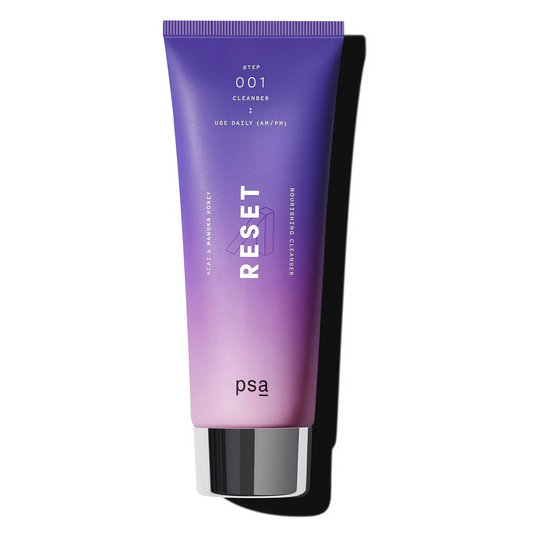 Acai & Manuka Honey Nourishing CleanserRegular price £30.00Sale price £30.00 Regular priceUnit price per
 -
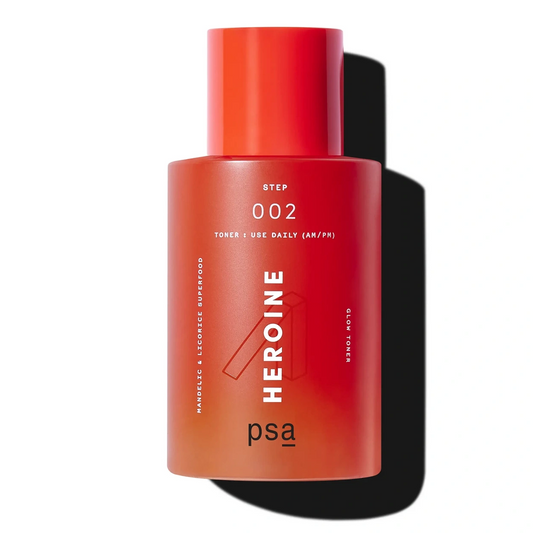 Awarded:
 Mandelic & Licorice Superfood Glow TonerRegular price £35.00Sale price £35.00 Regular priceUnit price per
 -
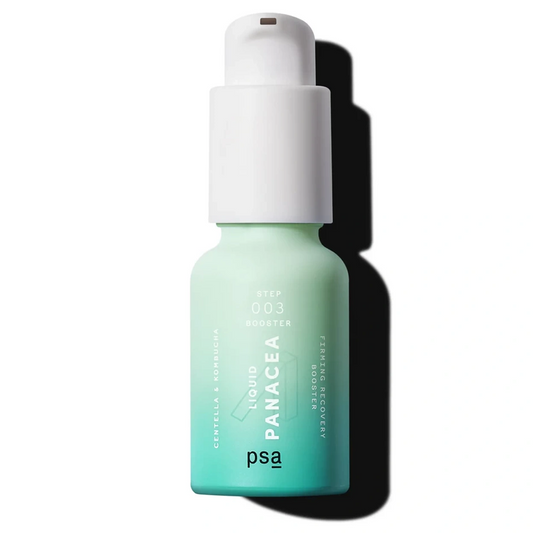 Centella & Kombucha Firming Recovery BoosterRegular price £30.00Sale price £30.00 Regular priceUnit price per
 -
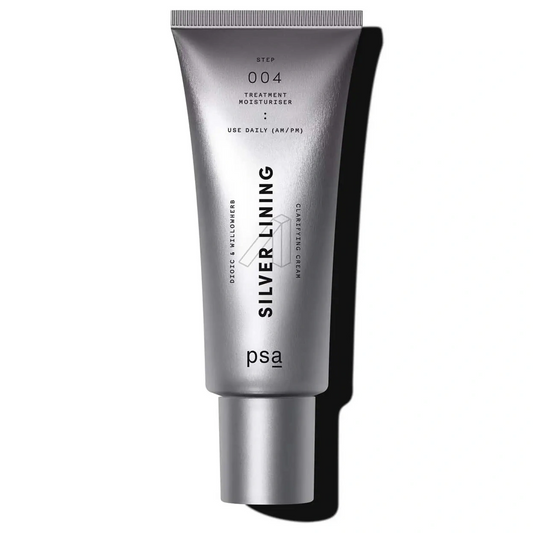 Dioic & Willowherb Clarifying CreamRegular price £37.00Sale price £37.00 Regular priceUnit price per

- Choosing a selection results in a full page refresh.
- Opens in a new window.