


If you have oily skin, you've probably tried everything...mattifying primers, oil-blotting sheets, powder touch-ups every two hours, maybe even harsh cleansers that leave your face feeling stripped (and somehow still shiny an hour later).
However, most oil-control products treat the symptom, not the cause.
They absorb surface oil temporarily or strip your skin so aggressively that it panics and produces even more oil to compensate. You end up in a cycle, mattify, strip, overproduce, repeat.
But there's one ingredient that actually addresses why your skin is oily in the first place - Niacinamide (Vitamin B3).
Not by absorbing oil. Not by stripping your skin. By regulating sebum production at the source, your sebaceous glands.
Let's break down how it works, why it's different from every other "oil-control" ingredient, and how to actually use it for results.
What Is Niacinamide?
Niacinamide is a form of Vitamin B3, an essential nutrient your body needs for energy production, DNA repair, and cellular function. In skincare, it's one of the most well-researched, multi-functional ingredients available.
What makes Niacinamide special:
-
Clinically proven to regulate sebum production
-
Strengthens skin barrier (prevents moisture loss)
-
Reduces inflammation and redness
-
Minimizes pore appearance
-
Brightens hyperpigmentation
-
Well-tolerated by all skin types (including sensitive and reactive skin)
-
Works synergistically with other actives (acids, retinoids, Vitamin C)
Unlike harsh astringents or mattifying agents that just deal with surface oil, Niacinamide works at the cellular level to control how much oil your skin produces in the first place.
How Niacinamide Actually Controls Oil Production
Your skin produces oil (sebum) through sebaceous glands attached to hair follicles. When these glands are overactive, you get excess shine, enlarged pores, and often breakouts.
Here's how Niacinamide regulates sebum:
1. It Reduces Sebum Secretion Rate
Niacinamide (especially at concentrations of 2-5%) reduces the amount of sebum your skin produces.
Niacinamide modulates the activity of sebaceous glands. It doesn't "dry out" oil or strip it from the surface. It literally tells your oil glands to calm down and produce less.
Use Niacinamide consistently for a month, and your skin produces noticeably less oil. Not temporarily, actually less oil output.
2. It Strengthens Skin Barrier (Which Prevents Rebound Oil Production)
Here's something most people with oily skin don't realize - dehydrated skin overproduces oil.
When your skin barrier is compromised (from over-cleansing, harsh acids, stripping products), moisture evaporates rapidly. Your skin panics and compensates by producing more sebum to prevent water loss.
You think your skin is "just oily," but it's actually dehydrated and overcompensating.
How Niacinamide fixes this:
-
Increases ceramide production (the lipids that hold your barrier together)
-
Enhances natural moisturizing factor (NMF) production
-
Reduces transepidermal water loss (TEWL)
-
Strengthens barrier integrity so skin can retain moisture without needing excess oil
Niacinamide fixes the underlying dehydration that often drives oiliness. Your skin realizes it doesn't need to pump out excess oil because moisture isn't escaping.
3. It Minimizes Pore Appearance (Which Reduces Visible Oiliness)
Large pores don't just look bad—they also make oiliness more visible. When pores are enlarged, they hold more sebum, and that sebum sits on the surface, creating shine and a greasy appearance.
How Niacinamide addresses this:
-
Regulates sebum production (less oil = less pore stretching)
-
Improves skin elasticity (firmer skin = tighter pores)
-
Reduces congestion (clears debris that expands pores)
Smaller-looking pores mean less visible oil accumulation, even if you do have some shine.
4. It Reduces Inflammation (Which Calms Stress-Induced Oil Production)
If your skin gets oilier when you're stressed, there's a biological reason: stress hormones (cortisol) stimulate sebaceous glands to produce more oil.
Niacinamide has anti-inflammatory properties that help modulate this stress response.
How it works:
-
Reduces pro-inflammatory cytokines (the molecules that trigger inflammation)
-
Calms reactive, irritated skin
-
Helps regulate the stress-oil connection
If your oiliness is stress-related (it often is), Niacinamide addresses the biological cascade that's causing your glands to go into overdrive.
What Concentration of Niacinamide Works Best for Oily Skin?
Niacinamide concentration matters.
The research-backed effective range: 2-10%
-
2-5% Niacinamide: Proven effective for sebum regulation, barrier repair, and general skin improvement. Well-tolerated by all skin types, including sensitive skin.
-
5-10% Niacinamide: More aggressive oil control, faster results for pore minimizing and brightening. Still well-tolerated by most people, though some may experience mild irritation at higher percentages (rare).
-
Above 10%: No additional benefit. Most studies show efficacy plateaus around 5-10%. Higher percentages don't work better.
For oily skin specifically: 5-10% Niacinamide is the sweet spot. You'll see noticeable sebum reduction, pore minimizing, and texture improvement within 4-8 weeks.
Lower percentages (2-4%) still work, but results take longer and may be less dramatic. If you're dealing with very oily skin, you'll likely want a higher concentration for faster, more visible control.
Niacinamide vs. Other "Oil-Control" Ingredients
Let's compare Niacinamide to other ingredients marketed for oily skin:
|
Ingredient |
How It Works |
Effectiveness |
Downsides |
|
Niacinamide |
Regulates sebum production at the source |
High (clinically proven 30% reduction in oil) |
None for most people (very rare: mild flushing at high %) |
|
Salicylic Acid (BHA) |
Dissolves oil inside pores, exfoliates |
Medium-High (clears congestion but doesn't stop oil production) |
Can be drying/irritating if overused |
|
Witch Hazel / Astringents |
Temporarily tightens pores, removes surface oil |
Low (temporary effect, doesn't address sebum production) |
Can be drying and irritating, triggers rebound oil |
|
Clay Masks |
Absorbs surface oil |
Low-Medium (temporary, doesn't regulate production) |
Overuse strips skin, triggers rebound oil |
|
Zinc PCA |
Antimicrobial, mild sebum regulation |
Medium (works well paired with Niacinamide) |
Less studied than Niacinamide alone |
|
Retinoids |
Regulates skin cell turnover, reduces pore size |
Medium-High (effective long-term but takes months) |
Can be irritating, increases sun sensitivity |
|
Mattifying Silicones |
Creates matte finish on skin surface |
None (cosmetic only, doesn't control oil production) |
Can clog pores, doesn't address root cause |
Niacinamide is the only ingredient that demonstrably reduces how much oil your skin produces, while simultaneously strengthening your barrier and calming inflammation. Everything else is either temporary, surface-level, or works through a different mechanism.
How to Use Niacinamide for Oily Skin
Niacinamide is easy to incorporate into any routine. It plays well with other actives and can be used morning and night.
Step 1: Start with Clean Skin
Use a gentle cleanser that removes oil without stripping your skin. Over-cleansing triggers rebound oil production, which defeats the purpose of using Niacinamide.
What to avoid: Harsh foaming cleansers with sulfates, anything that leaves your skin feeling "squeaky clean" (that tight feeling = stripped barrier = more oil later).
Step 2: Apply Niacinamide
Niacinamide comes in different formats: serums, toners, moisturizers, mists. The format matters less than the concentration.
Best application:
-
Apply to clean, slightly damp skin (helps with absorption)
-
Use 2-3 pumps (serum) or a few spritzes (mist) over face and neck
-
Pat gently into skin, don't rub aggressively
-
Follow with other serums, treatments, or moisturizers
When to use:
-
Morning: Yes (helps control oil throughout the day)
-
Evening: Yes (supports barrier repair and sebum regulation overnight)
You can use Niacinamide twice daily. It's stable, non-irritating, and doesn't increase sun sensitivity (unlike acids or retinoids).
Step 3: Layer with Complementary Ingredients
Niacinamide works synergistically with other actives. You can layer it with almost anything.
Great pairings for oily skin:
Niacinamide + BHA (Salicylic Acid):
-
Niacinamide regulates oil production
-
BHA clears existing congestion inside pores
-
Together: Prevention + treatment
Niacinamide + AHAs (Glycolic, Lactic, Mandelic Acid):
-
Niacinamide strengthens barrier and controls oil
-
AHAs exfoliate surface, refine texture
-
Together: Smooth, clear, less oily skin
Niacinamide + Zinc PCA:
-
Both regulate sebum production
-
Zinc adds antimicrobial benefits (reduces breakouts)
-
Together: Maximum oil control
Niacinamide + Hyaluronic Acid:
-
Niacinamide strengthens barrier
-
HA hydrates without adding oil
-
Together: Hydrated, balanced, non-greasy skin
Niacinamide + Retinoids:
-
Niacinamide buffers irritation from retinoids
-
Both improve skin texture and pore appearance
-
Together: Anti-aging + oil control with less irritation
Step 4: Don't Skip Moisturizer (Yes, Even for Oily Skin)
This is where many people with oily skin go wrong: they skip moisturizer because they don't want to add "more moisture" to already-oily skin.
Oil and moisture are not the same.
-
Oil = sebum produced by your sebaceous glands
-
Moisture = water content in your skin
Oily skin can still be dehydrated. And when it is, it produces more oil to compensate.
The fix: Use a lightweight, non-comedogenic moisturizer after your Niacinamide serum. This keeps your skin hydrated so it doesn't need to overproduce oil.
What to look for:
-
Gel or gel-cream texture (absorbs quickly, non-greasy)
-
Hyaluronic Acid (hydrates without adding oil)
-
Non-comedogenic oils like Squalane (lightweight, won't clog pores)
Step 5: Protect with SPF (Morning Only)
Niacinamide doesn't increase sun sensitivity (unlike acids or retinoids), but SPF is still essential for oily skin.
UV damage breaks down collagen, which makes pores appear larger. Larger pores = more visible oil accumulation.
What to look for:
-
Lightweight, matte-finish SPF (avoid heavy, greasy formulas)
-
Non-comedogenic (won't clog pores)
-
Broad-spectrum SPF 30+ minimum
Sample Routines: Niacinamide for Oily Skin
Morning Routine (Oil Control All Day):
-
Cleanse – Gentle, sulfate-free cleanser
-
Tone/Mist (optional) – If using a Niacinamide mist, apply here
-
Niacinamide Serum – 5-10% concentration for oil regulation
-
Hydrate – Lightweight Hyaluronic Acid serum if needed
-
Moisturize – Gel-cream or lightweight lotion (non-comedogenic)
-
SPF – Matte finish, non-greasy formula
Result: Controlled shine, smaller-looking pores, balanced hydration throughout the day.
Evening Routine (Repair + Regulate Overnight):
-
Double Cleanse – Oil cleanser (removes SPF/makeup), gentle foam (removes remaining debris)
-
Exfoliate (2-4x weekly) – BHA or AHA toner/serum
-
Niacinamide Serum – Applied after exfoliant (buffers irritation, regulates oil)
-
Targeted Treatment (optional) – Retinoid for anti-aging, or spot treatment for breakouts
-
Moisturize – Lightweight cream or gel
Result: Overnight sebum regulation, barrier repair, texture improvement, less oil production the next day.
Weekly Add-Ons:
-
Clay Mask (1x weekly): Absorbs surface oil and clears congestion—follow immediately with Niacinamide to prevent rebound oil production
-
Exfoliating Peel (1x weekly): Deeper exfoliation for texture and pore refining—pair with Niacinamide for oil control
What to Expect: Timeline for Results
Niacinamide isn't a quick fix. It works at the cellular level, which means results build over time.
Week 1-2: Skin feels more balanced. Hydration improves. You might notice slightly less midday shine.
Week 3-4: Visible reduction in oil production. Less need for blotting throughout the day. Pores start looking smaller.
Week 6-8: Significant improvement. Skin texture is smoother. Pores appear noticeably tighter. Oil production is regulated—not completely gone, but manageable.
Week 12+: Maximum results. Skin is balanced, hydrated, and produces a healthy amount of oil (not excess). Pores stay clear and minimized.
The key: Consistency. Use Niacinamide daily for at least 4 weeks before evaluating effectiveness. This isn't a spot treatment—it's a long-term oil regulation strategy.
Common Questions About Niacinamide for Oily Skin
Can I use Niacinamide if my skin is oily AND acne-prone?
Yes, actually, Niacinamide is ideal for oily, acne-prone skin. It regulates oil (which reduces clogged pores), has anti-inflammatory properties (reduces redness and swelling from breakouts), and strengthens the barrier (prevents irritation from acne treatments).
Pair it with BHA (Salicylic Acid) or Benzoyl Peroxide for maximum acne-fighting benefits.
Can Niacinamide make oily skin worse?
Not usually. However, if you're using a poorly formulated product with irritating ingredients (like high amounts of alcohol or fragrance), your skin might react with increased oil production. The Niacinamide itself isn't the problem, the other ingredients are.
Solution: Choose clean, well-formulated Niacinamide products without unnecessary irritants.
Will Niacinamide make my skin completely matte?
No. Niacinamide regulates oil production, it doesn't eliminate it entirely. Some sebum is healthy and necessary for skin function.
Expect your skin to look balanced and healthy, with a natural (not greasy) finish. You'll still have some oil production, just not the excessive shine and midday greasiness.
Can I use Niacinamide with Vitamin C?
Yes. This is an old myth that won't die. Early research suggested Niacinamide and Vitamin C (L-Ascorbic Acid) couldn't be used together, but modern formulations have solved this issue.
You can absolutely layer Niacinamide and Vitamin C. In fact, they work synergistically, Vitamin C brightens and protects, Niacinamide regulates oil and strengthens the barrier.
Pro tip: If you're using pure L-Ascorbic Acid (the most potent but unstable form of Vitamin C), apply it first on clean skin, wait 5-10 minutes for it to absorb and lower skin pH, then apply Niacinamide. This avoids any potential (though rare) flushing reaction.
I have sensitive, oily skin. Is Niacinamide safe?
Yes. Niacinamide is one of the best-tolerated actives in skincare. It's gentle, non-irritating, and actually reduces sensitivity by strengthening the barrier.
Even people with rosacea, eczema, or reactive skin can usually tolerate Niacinamide without issues. Start with 2-5% if you're nervous, and work up to higher percentages if needed.
Rare side effect: Some people (very few) experience mild flushing or warmth when using high-percentage Niacinamide. This isn't an allergy, it's a temporary vasodilation response. If it happens, try a lower percentage or apply on damp skin (dilutes slightly).
Do I need to use Niacinamide forever, or can I stop once my skin is less oily?
Niacinamide regulates sebum production while you're using it. If you stop, your oil production will eventually return to baseline (whatever your genetics dictate).
Think of it like this: Niacinamide is maintenance, not a permanent cure. As long as you use it consistently, you'll see regulated oil production. Stop using it, and your skin will revert to its natural (oily) state over time.
Good news: It's gentle and affordable enough to use indefinitely. Most people with oily skin incorporate Niacinamide as a long-term routine staple.
The Bottom Line: Niacinamide Is the Real Deal
If you have oily skin, you've probably been told to:
-
Wash your face more often (strips your skin, triggers more oil)
-
Use mattifying products (temporary fix, doesn't address the cause)
-
Avoid moisturizer (makes dehydration worse, increases oil production)
-
Just "embrace" your oily skin (not helpful)
None of that actually fixes the problem.
Niacinamide does. It regulates sebum production at the source—your sebaceous glands. It strengthens your barrier so your skin doesn't overcompensate with oil. It minimizes pores so oil accumulation is less visible. And it calms inflammation, including the stress-induced cortisol spikes that trigger excess oil in the first place.
What Niacinamide won't do:
-
Make your skin completely matte (some oil is healthy and normal)
-
Work overnight (results take 4-8 weeks of consistent use)
-
Replace cleansing and SPF (you still need a basic routine)
What Niacinamide will do:
-
Reduce sebum production by up to 30%
-
Minimize pore appearance
-
Balance oil without stripping or drying skin
-
Strengthen barrier function (less dehydration = less rebound oil)
-
Calm inflammation and redness
-
Work synergistically with other actives (acids, retinoids, Vitamin C)
You don't need 10 different products promising "oil control", only one ingredient that actually works at the cellular level to regulate sebum production.
That ingredient is Niacinamide.
Related Posts


-
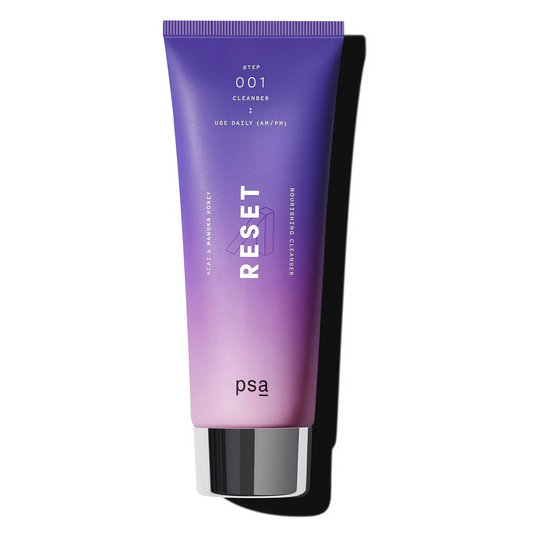 Acai & Manuka Honey Nourishing CleanserRegular price £30.00Sale price £30.00 Regular priceUnit price per
 -
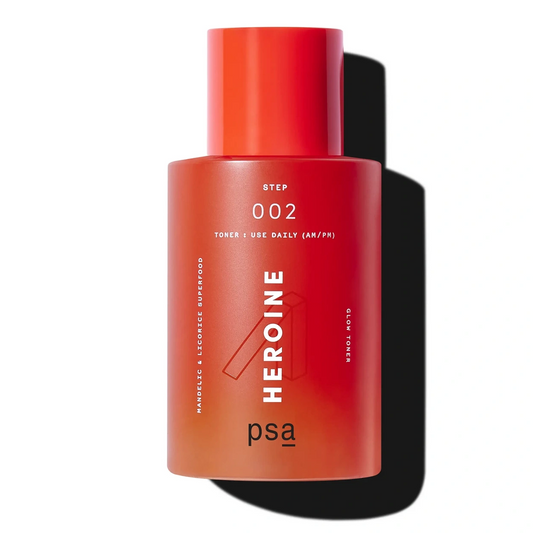 Awarded:
 Mandelic & Licorice Superfood Glow TonerRegular price £35.00Sale price £35.00 Regular priceUnit price per
 -
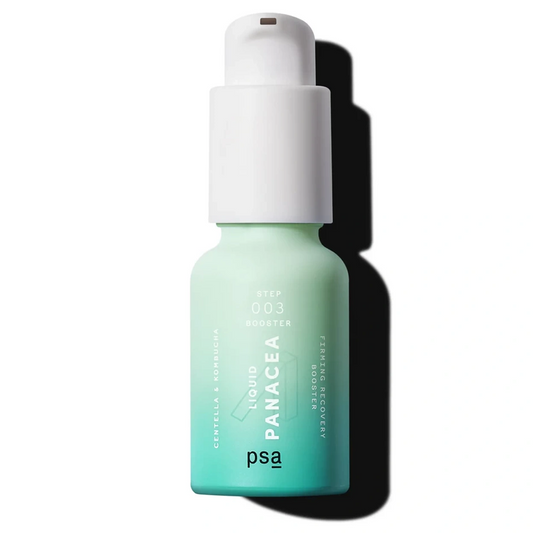 Centella & Kombucha Firming Recovery BoosterRegular price £30.00Sale price £30.00 Regular priceUnit price per
 -
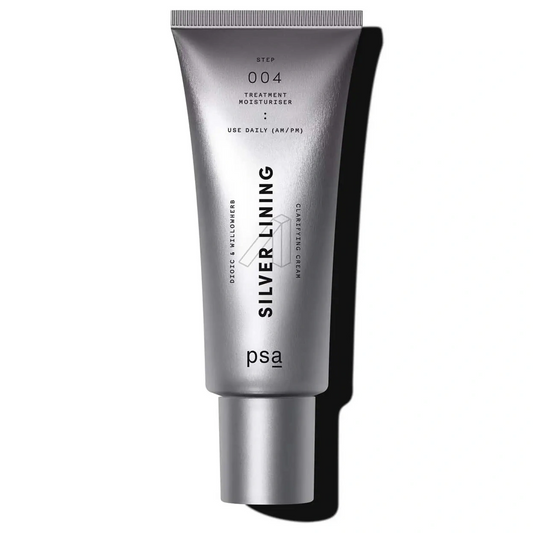 Dioic & Willowherb Clarifying CreamRegular price £37.00Sale price £37.00 Regular priceUnit price per

- Choosing a selection results in a full page refresh.
- Opens in a new window.