


You've been there: standing in front of a $200 serum, trying to calculate if it's 10x better than the $20 version sitting next to it.
The skincare industry wants you to believe that higher price = better results. Luxury packaging, celebrity endorsements, exotic ingredient lists—it all signals "premium efficacy." But here's what they're not telling you: price has almost nothing to do with how well a product actually works.
What matters is what's inside the bottle, at what concentration, and whether those ingredients are formulated to actually penetrate your skin. Sometimes that costs $200. Sometimes it costs $40. And sometimes, the expensive option is just paying for marketing.
Let's break down what you're actually paying for—and what actually matters for your skin.
What You're Really Paying For in Expensive Skincare
When you buy a $150 serum, here's where your money actually goes:
1. Packaging & Presentation
Heavy glass bottles, metallic accents, magnetic closures, luxury boxes with satin linings. Beautiful? Absolutely. Does it make the serum work better? No.
The markup: Luxury packaging can account for 30-50% of the product's cost. You're paying for the experience of opening it, not what it does for your skin.
2. Marketing & Advertising
Celebrity partnerships, influencer campaigns, glossy magazine spreads, premium retail placement. Luxury brands spend millions creating the perception of exclusivity and efficacy.
The markup: Marketing and advertising can represent 20-40% of the cost—especially for brands that rely on aspirational positioning rather than clinical results.
3. Brand Prestige & Retail Markup
Department store counter space isn't cheap. Neither is the commission structure for beauty advisors. When you buy from high-end retailers, you're subsidizing that entire infrastructure.
The markup: Retail margins can add 50-100% to the cost. The same product sold direct-to-consumer would cost half as much.
4. Exotic or "Rare" Ingredients
Caviar extract. Gold flakes. Orchid stem cells. Snake venom peptides. These sound luxurious and justify premium pricing—but there's rarely clinical evidence they outperform more common (and well-studied) alternatives.
The reality: A 0.01% concentration of "rare marine extract" doesn't do more than a clinically-proven 5% concentration of Niacinamide. But it sounds fancier.
5. (Sometimes) Better Ingredient Quality & Concentration
Here's where price can matter: high-quality active ingredients at effective concentrations cost more to source and formulate. Stabilized Vitamin C, encapsulated retinol, purified peptides—these aren't cheap.
But here's the catch: Plenty of affordable brands use the same concentrations and quality as luxury lines. And plenty of luxury brands use barely-there concentrations of actives, relying on fragrance and texture to create a "luxury experience."
What Actually Determines If Skincare Works
Price is not a reliable indicator of efficacy. These factors are:
1. Active Ingredient Concentration
A $200 serum with 0.5% Vitamin C will not outperform a $40 serum with 10% Vitamin C. Period.
What to look for:
-
Ingredient concentration disclosed on the label or website
-
Actives listed in the first 5-7 ingredients (ingredients are listed by descending concentration)
-
Clinical studies backing the specific concentrations used
Example: VISIBLE IMPROVEMENT Peptides & Niacinamide Serum contains 10% Niacinamide + 10% Peptide Complex—clinically effective concentrations at a fraction of luxury serum prices. You're not paying for celebrity endorsements or metallic packaging. You're paying for what's proven to work.
2. Formulation Quality & Stability
Some ingredients are notoriously unstable—they degrade when exposed to light, air, or water. Cheap formulations don't account for this. Quality formulations do.
Examples of tricky-to-formulate actives:
-
Vitamin C (L-Ascorbic Acid) – Oxidizes rapidly without proper pH and stabilization
-
Retinol – Degrades with light and air exposure; needs encapsulation or airless packaging
-
Peptides – Can break down if not properly preserved and pH-balanced
The cost factor: Stabilizing volatile actives does increase production costs. But plenty of mid-range brands ($30-60) do this well without luxury markups.
What to look for:
-
Airless pump packaging for oxidation-prone ingredients (Vitamin C, retinoids)
-
Opaque or dark bottles that block light
-
pH-appropriate formulations (some actives only work in specific pH ranges)
3. Ingredient Synergy & Purpose
Throwing 30 "active" ingredients into one formula isn't better. In fact, it's often worse—too many actives can cause irritation, instability, or ingredients that compete for absorption.
The purposeful formulation approach: Instead of cramming in every trending ingredient, effective formulas use 6 or fewer purposeful ingredients that work synergistically.
Example: LIQUID PANACEA Centella & Kombucha Firming Recovery Booster features:
-
5% Centella Asiatica (calms inflammation, repairs barrier)
-
6% Kombucha & White Tea (antioxidant protection, anti-aging)
-
Madecassoside (soothes, accelerates healing)
-
Hyaluronic Acid (hydration)
-
Bisabolol (anti-inflammatory)
Each ingredient has a specific job. They enhance each other's efficacy rather than competing. No filler botanicals. No fragrance. No ingredients added just to pad the label.
This is what you should be paying for: Thoughtful formulation, not ingredient count.
4. Penetration & Delivery Systems
An active ingredient sitting on top of your skin does nothing. It needs to penetrate to the layer where it works.
Advanced delivery systems that DO matter:
-
Encapsulation (protects actives and delivers them deeper into skin)
-
Liposomal delivery (mimics skin's structure for better absorption)
-
Multiple molecular weights (Hyaluronic Acid in different sizes penetrates different depths)
Expensive doesn't guarantee this. Some luxury brands use standard formulations with no advanced delivery. Some affordable brands invest heavily in penetration technology.
Example: THE MOST Hyaluronic Super Nutrient Hydration Serum uses multiple molecular weights of Hyaluronic Acid—high molecular weight sits on the surface for immediate plumping, low molecular weight penetrates deeper for long-term hydration. This isn't expensive to formulate, but it's smarter than a single-weight HA serum at 5x the price.
5. Clinical Testing & Transparency
Does the brand provide clinical studies, efficacy data, or before/after results from real users? Or do they rely on vague claims like "visibly firms skin" with no backup?
Red flags in luxury skincare:
-
No disclosed ingredient concentrations
-
No clinical studies (just testimonials from paid influencers)
-
Proprietary "complexes" that hide actual ingredient amounts
-
Marketing language that sounds scientific but says nothing measurable ("activates cellular renewal")
Green flags in any price range:
-
Ingredient percentages disclosed
-
Clinical studies linked or referenced
-
Clear before/after protocols (not just one cherry-picked result)
-
Honest about what the product does—and doesn't—do
When Expensive Skincare IS Worth It
Let's be fair, sometimes you do get what you pay for. Here's when higher prices reflect actual quality:
1. Prescription-Strength Actives
Medical-grade retinoids, hydroquinone, high-percentage chemical peels—these require clinical oversight and can't be replicated in over-the-counter products. If you're getting prescription skincare, the higher cost reflects actual pharmaceutical-grade formulation and doctor supervision.
2. Cutting-Edge Technology
New delivery systems, patented ingredients, novel formulations backed by years of R&D—these can justify higher prices, if the clinical results support it.
The test: Is there published research showing this new technology outperforms existing options? If not, it's innovation for innovation's sake (and for marketing purposes).
3. Clean, High-Quality Ingredient Sourcing
Organic, sustainably sourced, ethically produced ingredients sometimes cost more—especially if brands are transparent about their supply chains and pay fair wages.
But: "Clean" doesn't automatically mean "effective." A clean formula with weak active concentrations won't outperform a well-formulated synthetic option.
4. Custom Formulation or Personalization
If you're paying for a truly customized formula based on your specific skin analysis, diagnostic testing, or prescription needs, that expertise and personalization has value.
Generic luxury skincare with no customization? You're paying for the brand name, not personalization.
When Expensive Skincare Is NOT Worth It
1. When Active Concentrations Are Low
If a $180 serum contains 0.5% of the active ingredient, and a $45 serum contains 5%, you're paying $135 extra for... less efficacy.
Always check: Is the hero ingredient actually present at a clinically effective concentration, or is it just listed for marketing purposes?
2. When You're Paying for Fragrance & Sensory Experience
Luxury skincare often smells amazing, feels silky, and absorbs beautifully. But if the bulk of the formula is emollients, silicones, and fragrance—with minimal actives—you're paying for a sensory experience, not skin results.
Fragrance is the #1 cause of contact dermatitis and irritation. Yet many luxury brands prioritize signature scents over skin health.
PSA's approach: Formulated without synthetic fragrances or essential oils. If it doesn't serve your skin, it doesn't go in the bottle. This actually saves cost—but more importantly, it reduces irritation risk.
3. When Marketing Costs Exceed Formulation Costs
If a brand spends more on celebrity partnerships than on ingredient research, you're subsidizing their ad budget, not your skin.
How to spot this: Look at the brand's content. Are they focused on clinical studies and ingredient education? Or are they focused on aspirational lifestyle imagery and influencer unboxings?
4. When "Exotic" Ingredients Have No Clinical Backing
Snail mucin. Bee venom. Placenta extract. Some of these have legitimate benefits (snail mucin has wound-healing properties). Others are purely marketing gimmicks.
The question to ask: Is there peer-reviewed research showing this ingredient outperforms well-studied alternatives at similar concentrations? If not, it's a story you're buying, not superior efficacy.
5. When You're Paying for Packaging You'll Throw Away
That heavy glass bottle with gold accents? Beautiful. Sustainable? Not really. Worth an extra $100? Definitely not.
PSA's approach: Functional packaging that protects ingredient integrity (opaque bottles, airless pumps where needed) without unnecessary luxury markup. The money goes into the formula, not the shelf appeal.
The Smart Skincare Investment Strategy
Here's how to spend your skincare budget for maximum results, regardless of price point:
Invest in Active Treatments
This is where quality matters most. Your serum, retinoid, chemical exfoliant, or Vitamin C treatment should contain clinically effective concentrations of proven actives.
Worth spending on:
-
Serums with high-concentration actives – VISIBLE IMPROVEMENT (10% Niacinamide + 10% Peptides), GOALS (12% Multi-Acids)
-
Targeted treatments – LIQUID CLARITY (2% BHA + 1% Bakuchiol), SILVER LINING (4% Dioic Acid)
-
Barrier repair boosters – LIQUID PANACEA (5% Centella + 6% Kombucha)
Save on Basic Hydration & Cleansing
Your cleanser and basic moisturizer don't need to be expensive. As long as they're gentle, non-stripping, and free of irritants, a $31 cleanser can work as well as a $75 one.
Where to save without sacrificing quality:
-
Cleansers – RESET Acai & Manuka Honey Nourishing Cleanser ($31 for sulfate-free, nourishing formula—does the job without luxury markup)
-
Hydrating mists – DEW HALO Niacinamide & Blackberry Mist (adds 5% Niacinamide for efficacy, but mist format = longer-lasting, better value)
Prioritize Multi-Taskers
One well-formulated product that addresses multiple concerns is better than five mediocre products.
Example: SILVER LINING Clarifying Cream functions as:
-
Breakout treatment (Dioic Acid, Zinc PCA)
-
Moisturizer (hydrating base)
-
Anti-inflammatory treatment (Centella, Lactobacillus Ferment)
-
Brightening treatment (Vitamin C, Licorice Root)
You're getting four products in one, at a fraction of the cost of buying each separately.
Skip Gimmicks & Trends
LED-infused serums. Crystals. Gold flakes. Magnetic masks. Trends come and go. Clinical efficacy doesn't.
Ask yourself: Is there evidence this works better than proven actives? Or is it just Instagram-worthy?
The PSA Philosophy: Efficacy Over Everything
PSA Skincare could charge luxury prices. The formulations contain clinically effective concentrations of proven actives. The ingredient quality is high. The formulations are clean, stable, and purposeful.
But that's not the point.
The point is, skincare shouldn't be a luxury reserved for people who can afford $200 serums. Effective ingredients - Niacinamide, Peptides, Hyaluronic Acid, Centella, AHAs, BHA - aren't rare or expensive to source. They're just often marked up to create a perception of exclusivity.
PSA Skincare approach:
-
Clinically effective concentrations (10% Niacinamide, 12% Multi-Acids, 5% Centella)
-
Maximum 6 purposeful ingredients per product (no filler, no fluff)
-
Transparent formulations (you know what's in it and at what concentration)
-
Psychodermatology-informed (ingredients that address stress-skin connection, not just surface symptoms)
-
Clean formulations (no sulfates, no synthetic fragrance, no denatured alcohol)
-
Direct-to-consumer pricing (no department store markups)
The result: Professional-grade efficacy at a fraction of luxury prices. Not because we cut corners. Because we cut the bs.
How to Evaluate Any Skincare Product (At Any Price Point)
Before you buy—whether it's $15 or $150—ask these questions:
1. What are the active ingredients, and at what concentration?
If the brand won't tell you, that's a red flag. Effective formulations are transparent about what's inside and how much.
2. Is there clinical evidence supporting these ingredients?
Look for peer-reviewed studies, not just brand-funded testimonials. PubMed and Google Scholar are your friends.
3. Where does this ingredient fall in the ingredient list?
Ingredients are listed in descending order by concentration. If your "hero ingredient" is listed after preservatives or fragrance, there's barely any in there.
4. Is the formula stable and well-preserved?
Check packaging: opaque bottles for light-sensitive ingredients, airless pumps for oxidation-prone actives.
5. Does the price reflect formulation quality, or marketing spend?
Look at the brand's content. Are they educating you about ingredients and efficacy, or selling you a lifestyle fantasy?
6. What's NOT in it?
Synthetic fragrance, denatured alcohol, sulfates, essential oils—these are common irritants that luxury brands often include for "sensory experience." Your skin doesn't need them.
7. Does it fit into a simplified routine?
If you need 12 products to see results, that's a problem. Effective skincare should be simple: cleanse, treat, hydrate, protect. 3-5 products max.
Real Results: What Actually Works
Here's what clinical research consistently shows about effective skincare:
Proven actives that work (regardless of price):
-
Retinoids (Retinol, Bakuchiol) – Collagen production, cell turnover, anti-aging
-
Niacinamide (Vitamin B3) – Brightening, barrier repair, oil regulation
-
Vitamin C (L-Ascorbic Acid, derivatives) – Antioxidant, brightening, collagen synthesis
-
AHAs (Glycolic, Lactic, Mandelic Acid) – Exfoliation, texture refinement, glow
-
BHA (Salicylic Acid) – Pore-clearing, anti-inflammatory, breakout prevention
-
Peptides – Collagen support, firming, anti-aging signaling
-
Hyaluronic Acid – Hydration, plumping
-
Centella Asiatica – Barrier repair, anti-inflammatory, stress-response modulation
These ingredients have decades of research backing them. They work in a $30 serum just as well as a $300 serum—if the concentration and formulation are equivalent.
What doesn't have strong evidence:
-
Most "proprietary complexes" (if it works, why hide the details?)
-
Exotic botanicals with no clinical backing
-
Stem cells (plant or animal—mostly marketing hype)
-
Crystals, gems, minerals (unless it's Zinc, which actually does something)
Final Thoughts - Results Don't Have a Price Tag
Expensive skincare isn't automatically better. And affordable skincare isn't automatically worse.
What matters is:
-
Active ingredient concentration (disclosed and clinically effective)
-
Formulation quality (stable, well-preserved, penetrates skin)
-
Purposeful ingredient selection (every ingredient earns its place)
-
Transparency (you know what you're getting and why)
-
No fillers, fragrance, or irritants (clean doesn't mean expensive)
You can absolutely find luxury skincare that delivers on all these points. But you can also find affordable skincare that does the same—without the markup for packaging, celebrity endorsements, and department store commissions.
The smartest investment isn't the most expensive serum. It's the one that contains proven actives at effective concentrations, formulated to actually work, without charging you for the privilege of marketing hype.
Your skin doesn't care about price tags. It cares about ingredients, concentration, and formulation quality.
Choose accordingly.
Related Posts


-
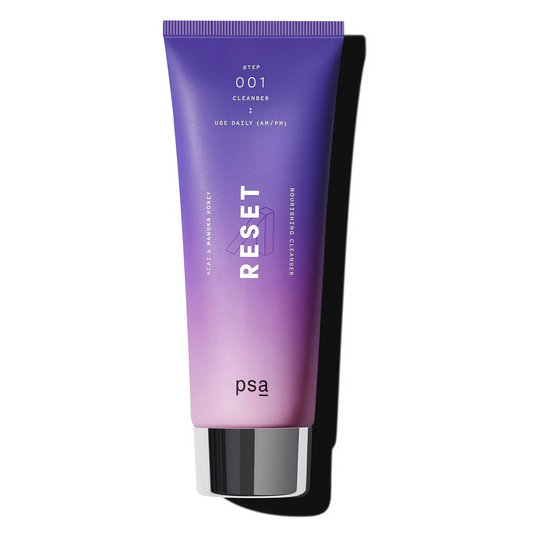 Acai & Manuka Honey Nourishing CleanserRegular price £30.00Sale price £30.00 Regular priceUnit price per
 -
 Awarded:
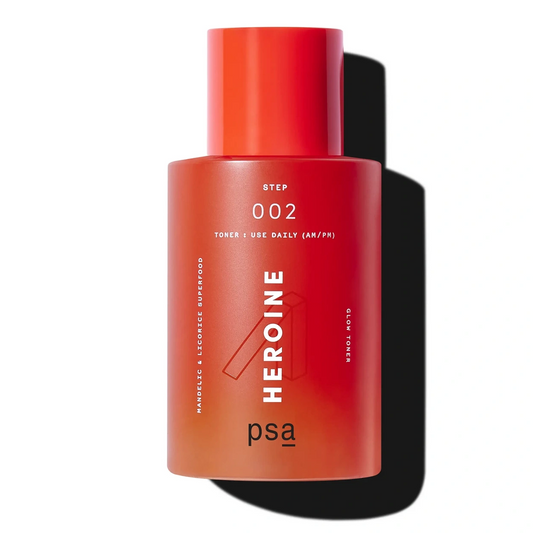
 Mandelic & Licorice Superfood Glow TonerRegular price £35.00Sale price £35.00 Regular priceUnit price per
 -
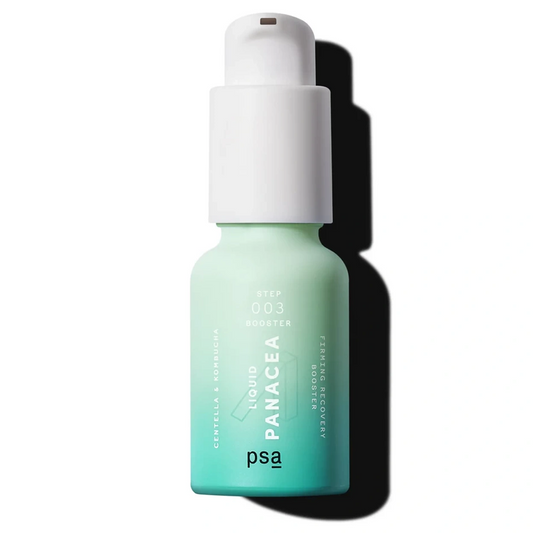 Centella & Kombucha Firming Recovery BoosterRegular price £30.00Sale price £30.00 Regular priceUnit price per
 -
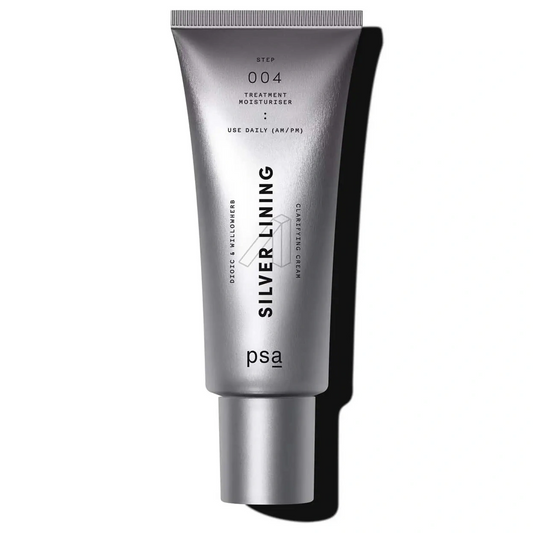 Dioic & Willowherb Clarifying CreamRegular price £37.00Sale price £37.00 Regular priceUnit price per

- Choosing a selection results in a full page refresh.
- Opens in a new window.